

How Much is GLP-1 Without Insurance? Explaining the GLP-1 Cost Without Insurance
How much is GLP-1 without insurance? Expect to pay anywhere from $900 to over $1,400 per month at full list price, depending on the medication. You might be able to get a better GLP-1 cost, though, through:
- Manufacturer savings programs
- Government platforms
- Pharmacy coupons
Even without insurance coverage, the GLP-1 price without insurance can fall somewhere between $299-$699 for most patients.1,2 Introductory pricing can drop below $200.1
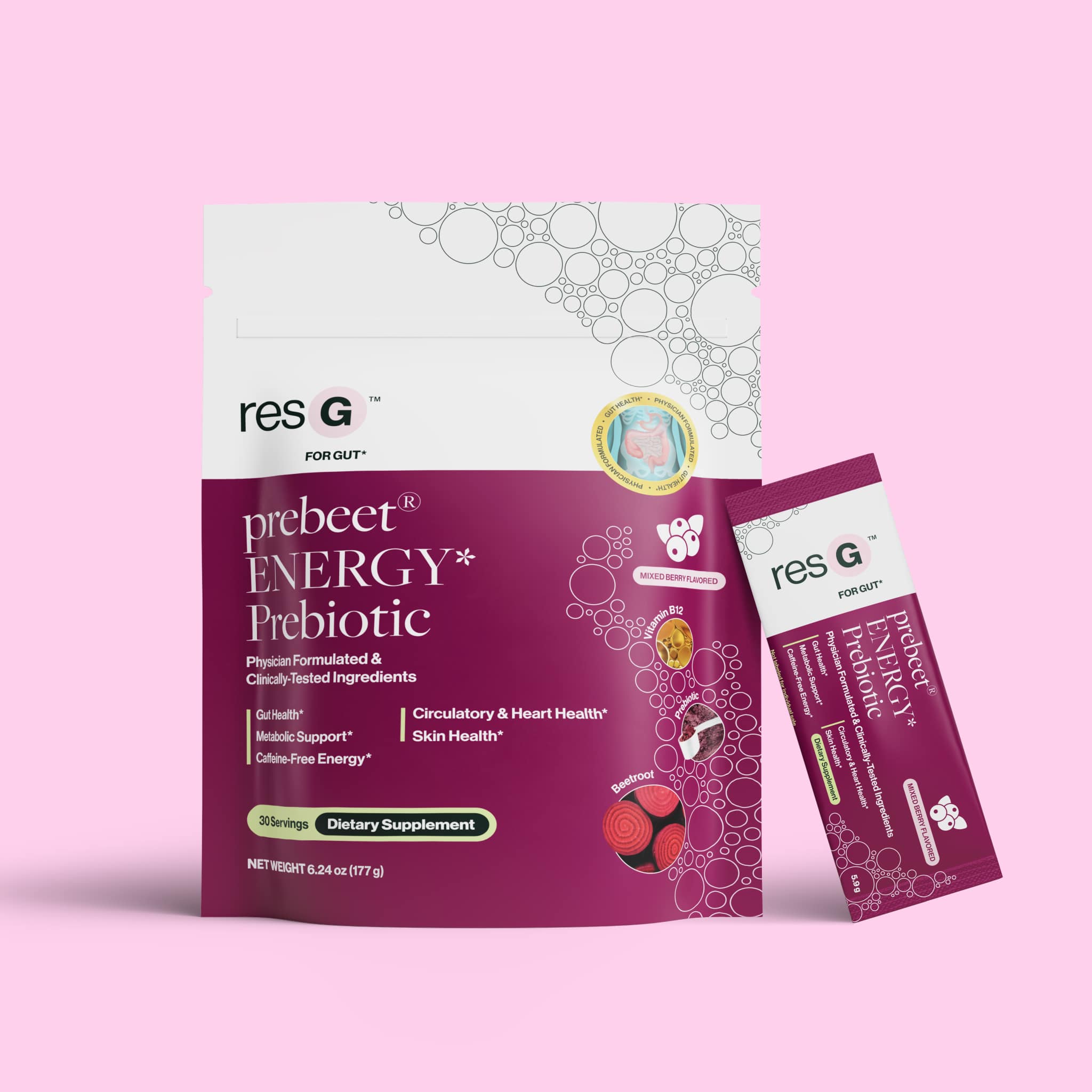
Learn what each drug costs, how insurance applies, and every available strategy to reduce what you pay. You can also learn how resbiotic’s GLP-1 probiotic complements prescribed medication through the gut-hormone axis.*
'
Key Takeaways
- GLP-1 costs $900-$1,400/month without insurance, depending on the drug1,2
- Manufacturer self-pay programs cut costs to $299-$699/month1,2
- There are introductory offers as low as $149-$199/month but they’re temporary (1-2 months)1
- Insurance coverage is tricky, because weight loss indications are usually excluded
- Comparing drugs, doses, and delivery formats (pen vs vial) can save hundreds per month
Overview of GLP-1 Drugs
GLP-1 receptor agonists mimic a hormone your body naturally makes. They regulate appetite and blood sugar, which is why they’ve become so popular so fast.
Wegovy (semaglutide) and Zepbound (tirzepatide) are the two FDA-approved options for weight management. Ozempic (semaglutide) and Mounjaro (tirzepatide) are approved for diabetes but also prescribed for weight loss off-label quite often.
Most are weekly injections, but oral formulations are becoming available. All require a prescription. And even if you do get written a prescription, getting insurance coverage is another hurdle. The GLP-1 cost without insurance matters because coverage is so inconsistent.
How Much is GLP-1 Without Insurance?
The GLP-1 cost without insurance depends on three variables:
- Which drug you're prescribed
- Your current dose
- Whether you access manufacturer discount programs
Cash Price For GLP-1 Medications
So, how much is GLP-1 without insurance at full retail? The GLP-1 price at full list varies by medication:
- Ozempic: $1,027/month (list price per pen)1
- Wegovy: $1,350/month (original list); down to ~$499/month for self-pay patients1
- Zepbound: $1,086/month (list price)2
- Mounjaro: ~$1,080/month (list price)2
Nobody should pay list price. Both Novo Nordisk and Eli Lilly now offer manufacturer self-pay programs that dramatically reduce the GLP-1 cost without insurance.
For instance, NovoCare prices Ozempic at $349/month ($499 for the 2mg dose) and Wegovy at $349-$499/month.1 LillyDirect offers Zepbound starting at $299/month for the 2.5mg dose.2
How Insurance Coverage Works For GLP-1 Drugs
Most commercial plans cover GLP-1 medications prescribed for type 2 diabetes (Ozempic, Mounjaro) without much of an issue.
Weight management indications (Wegovy, Zepbound) are another story. Expect more barriers - prior authorization, documented BMI thresholds, proof of failed lifestyle interventions, or outright exclusion.
Medicare will begin covering GLP-1 medications for obesity through the Medicare GLP-1 Bridge program starting July 1, 2026, offering eligible beneficiaries access for $50 per month.3 Medicaid coverage varies by state. Your best path to managing the GLP-1 cost without insurance assistance will be the self-pay programs above if your plan denies coverage or imposes restrictions.
How Can You Save on the GLP-1 Cost Without Insurance?
A lot of people are deterred from securing treatment because of the GLP-1 price tag. Easy to see why. But, there are several approaches that bring the GLP-1 price down quite a bit:
- Manufacturer programs: NovoCare and LillyDirect have the best prices for uninsured patients1,2
- Coupon platforms: GoodRx and SingleCare offer introductory pricing as low as $149-$199/month, so you can try the drug without committing to a four-figure price tag.
- Government platforms: Medicare's GLP-1 Bridge program will offer $50/month access for eligible beneficiaries starting July 2026.3
- Patient assistance: Income-qualifying individuals may be eligible for free medication or at a drastically reduced cost through manufacturer programs
- Dose and format: Starting at lower doses costs less and vials are often cheaper than pre-filled pens. Talk to your prescribing doctor about this.
Popular GLP-1 Drug Cost Comparison
|
Drug |
Monthly Cost (Self-Pay) |
Approved For |
Key Considerations |
|
Ozempic (semaglutide) |
$349-$4991 |
Type 2 diabetes |
Most widely prescribed GLP-1; $199 intro offer for first 2 months1 |
|
Wegovy (semaglutide) |
$349-$4991 |
Weight management |
Same active ingredient as Ozempic; FDA-approved for weight loss |
|
Zepbound (tirzepatide) |
$299-$6992 |
Weight management |
Dual GIP/GLP-1 action; dose-dependent pricing through LillyDirect2 |
|
Mounjaro (tirzepatide) |
$299-$6992 |
Type 2 diabetes |
Same active ingredient as Zepbound; off-label weight loss use common |
Prices reflect manufacturer self-pay programs as of early 2026 and are subject to change. Verify current pricing with your pharmacy or manufacturer website.
Wrapping Up Our GLP-1 Price Guide
In closing, how much is GLP-1 without insurance? Anywhere from $299 to over $1,000 per month depending on the drug, dose, and whether you access manufacturer savings.
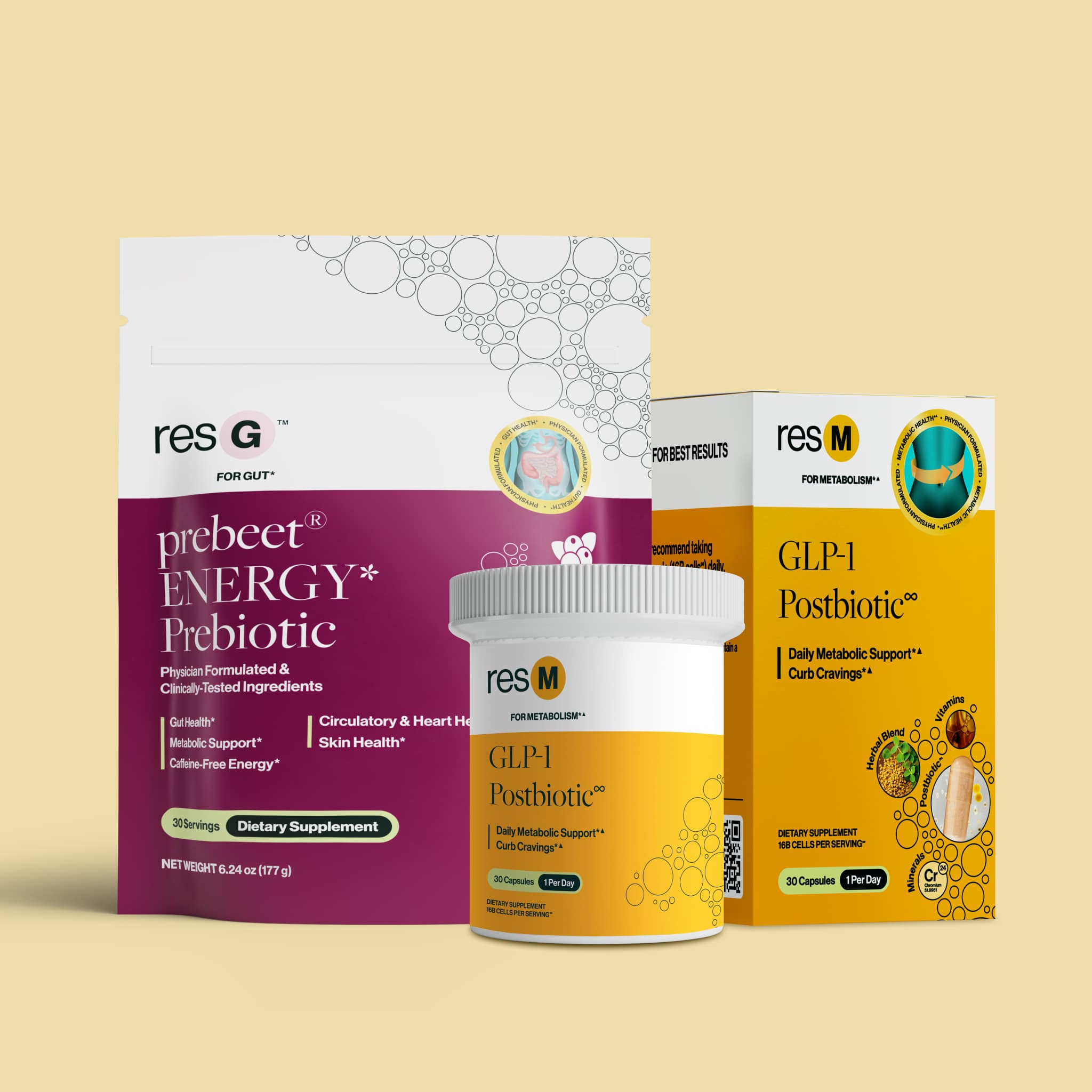
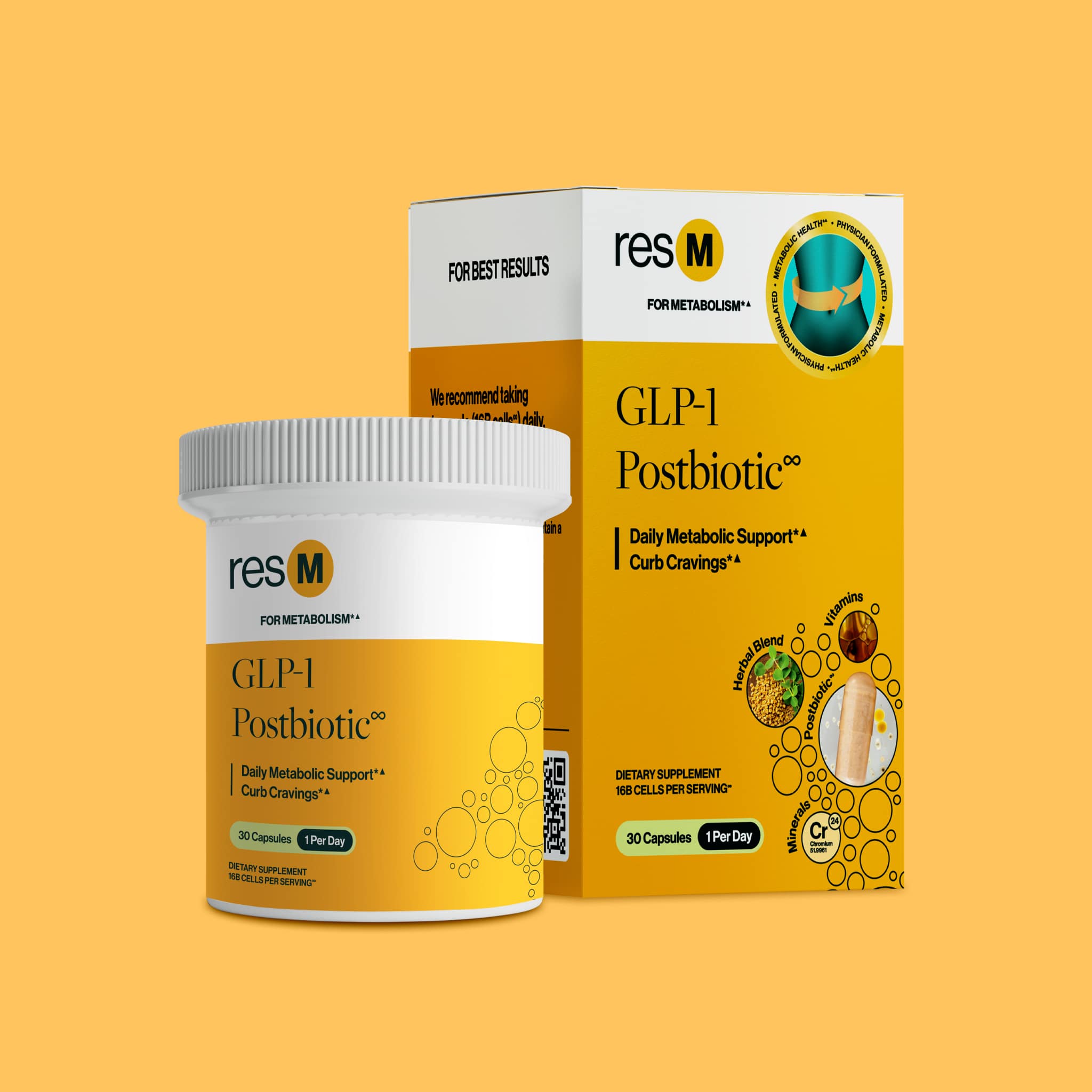
Want to make the most of your GLP-1 treatment? resM supports the same gut-hormone pathway through a clinically studied postbiotic blend.* Many customers pair it with their prescribed medication for complementary metabolic support - the postbiotic in resM demonstrated a 300% increase in GLP-1 hormone production in clinical studies.*
Learn more about the science behind resM today.
Frequently Asked Questions
Do compounded GLP-1 drugs work as well as brand-name?
Compounded versions are not FDA-approved and haven't undergone the same clinical testing as brand-name GLP-1 medications. Quality, purity, and dosing accuracy can all vary quite a bit. The FDA has raised safety concerns about compounded semaglutide and tirzepatide products.
How do I qualify for GLP-1 drug savings programs?
NovoCare and LillyDirect are available to anyone who doesn’t have commercial insurance coverage for the specific drug. You need a valid prescription and proof of out-of-pocket payment. Income-based patient assistance programs have their own financial eligibility requirements, so you’ll have to check each manufacturer's website for current thresholds.
What's the cheapest way to secure GLP-1 treatment without insurance coverage?
Manufacturer direct programs offer the lowest verified GLP-1 price. Introductory coupon pricing can help temporarily as well. How much is GLP-1 without insurance at the absolute floor? Expect to spend at least $149-$199/month for the first 1-2 months at starter doses. It’ll ramp up from there.
Can I get real GLP-1 drugs through online pharmacies?
Yes - through licensed pharmacies that require a valid prescription. Legitimate telehealth platforms connect you with prescribers and ship brand-name medications from verified sources. Stay away from sellers offering GLP-1 drugs without a prescription. They’re likely counterfeit or unregulated products. Anything that sounds too good to be true probably is.
Will telehealth services bring down the cost of GLP-1 medication?
Telehealth cuts the medical visit cost (typically $50-$150 vs. $200+ in-person) but doesn't change the drug price itself. The GLP-1 price you pay depends on the pharmacy and savings programs you use more than anything else.
Related Resources
Tirzepatide vs Ozempic | Byetta vs Ozempic | Bydureon vs Ozempic | Wegovy vs Mounjaro
References
- Novo Nordisk. "Novo Nordisk launches introductory self-pay offer for Wegovy and Ozempic for $199 per month." Press release. 2025. PR Newswire
- Eli Lilly. "Lilly lowers the price of Zepbound (tirzepatide) single-dose vials." Press release. 2025. Eli Lilly
- Centers for Medicare & Medicaid Services. "Coming Soon: CMS to Provide $50 Monthly Access to GLP-1 Medications for Medicare Beneficiaries." 2026. CMS.gov
*These statements have not been evaluated by the Food and Drug Administration. This product is not intended to diagnose, treat, cure, or prevent any disease.