

Perimenopause is the turning of a page. It’s the beginning of the next chapter in your life, a rite of passage for all women. While it brings about many changes (and plenty of complications), you can smooth the transition with the best probiotics for perimenopause. Options include:
- Lactobacillus plantarum RSB11®
- Lactobacillus rhamnosus GG
- Lactobacillus acidophilus
- Bifidobacterium longum
- Lactobacillus helveticus
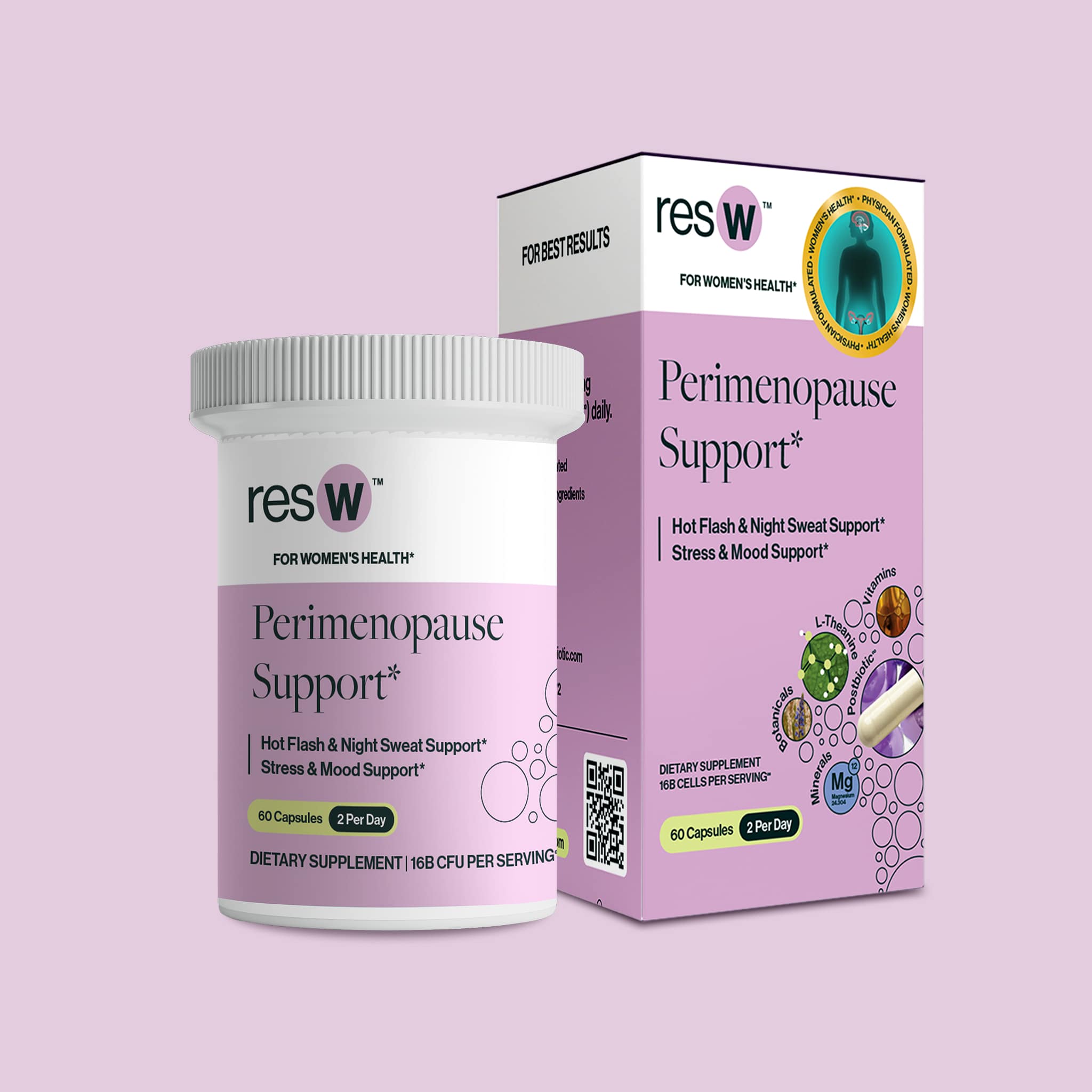
resW perimenopause support contains L. plantarum RSB11®, a postbiotic that may support the gut-hormone pathway and create a sense of balance during this next phase in your life. But it also has chasteberry, black cohosh, magnesium glycinate, L-theanine, and vitamins D3, B6, and B12. Everything works in synergy to help you stay cool, calm, and live life to the fullest.*
Whether you’re trying to sleep better or ease stress, minimize hot flashes, or support weight management, learn more about the science behind resW today and see why independent clinicians recommend it!*
“I can handle stress better now. Before I would get overwhelmed fast. I feel more grounded.” - Angela
“I didn’t expect much but after two months I was surprised. The hot flashes that had been constant slowed down and I started sleeping better. My mood was lighter too. It gave me back some peace of mind.” - Linda
“My mood swings were straining my relationships. This has made me less reactive and more even-tempered.” - Kimberly
What Are Probiotics?
These live, beneficial bacteria naturally live in your gut and keep digestion running smoothly. They also support your immune system and influence things like energy levels and mood.
But these microbes can shift during perimenopause, so it’s no surprise women notice more bloating, irregular digestion, and changes in how they handle stress. Probiotic supplements bring these heroes back to the gut so everything can run smoothly once again.
Postbiotics are something you should know about, too. They aren’t live bacteria. They’re the active compounds that those bacteria produce. We know you came here to learn about the best probiotics for perimenopause, but it’s postbiotics that make a bigger difference. They have a more predictable effect because they don’t need to survive digestion or colonize the gut.
Why Women in Perimenopause Need Probiotics
Perimenopause is the period of change right before full-blown menopause occurs. It typically starts in a woman’s mid-40s, but can happen as early as the 30s or as late as the 50s. You’ll know you’ve entered perimenopause when start dealing with things like:
- Hot flashes/night sweats
- Irregular periods
- Mood swings
- Sleep problems
- Vaginal dryness
- Brain fog
- Weight gain
- Joint pain
A doctor will be able to help you determine if it’s perimenopause or something else. But when you do reach this chapter in your life, it’s worth adding perimenopause probiotics to your self-care regimen. Here’s why:
Support For More Stable Mood and Stress Levels
The body becomes more sensitive to stress as estrogen levels shift. Certain probiotic strains help regulate how the gut and brain talk to each other, which can help minimize irritability and keep you more resilient when tensions start rising.
Some strains even support the production of calming neurotransmitters, so you stay cool, calm, and collected even when life gets a little chaotic.
Help With Night Sweats and Hot Flashes
Hot flashes happen because of changes in blood vessel function and inflammation. But you can turn the temperature down a notch with the right probiotic supplement, as some strains support a balanced immune response.
Better Sleep During Hormonal Swings
Poor sleep is one of the most frustrating parts of perimenopause because it bleeds into so many other areas of your life. But gut bacteria help regulate melatonin production and the sleep-wake rhythm. Falling asleep (and staying asleep) becomes easier when the microbiome is supported. The effect some strains have on your nervous system also helps on those nights you feel “revved up.”
Smoother Digestion and Weight Management
The most obvious reason to look into the best probiotics for perimenopause is for the effect they can have on digestion and weight management.
Hormonal changes can affect appetite, blood sugar, and the pace of digestion. Probiotics help regulate how the gut processes food. This means you might notice less bloating. Some probiotics also interact with the pathways responsible for metabolism and cravings.
Stronger Immune Support
About 70% of the immune system lives in the gut, so you’ll stay healthier just by adding probiotic supplements to your arsenal. This becomes extra important during perimenopause when hormone fluctuations can leave you feeling worn down more easily.
Best Probiotics For Perimenopause: Strains That Can Help Smooth Out This Transition
Not every probiotic strain works the same way. Some mainly help digestion, while others influence mood, sleep, or how the body handles inflammation. So what are the best probiotics for perimenopause?
Lactobacillus plantarum RSB11®
This is the postbiotic strain used in resW, the leading perimenopause support system. Our solution combines this clinically studied postbiotic with time-honored botanicals and essential nutrients to support the hormonal balance and natural GLP-1 pathways for your metabolism, better sleep, and hot flash relief.*
In essence, L. plantarum RSB11® influences how the gut talks to the nervous and immune systems. That’s why it can have a meaningful impact on hot flashes, stress spikes, and sleep disruptions - which are all too common at this stage of life.*
RSB11® produces metabolites that help support healthier immune signaling, too. This can translate to less discomfort, along with fewer mood swings and calmer evenings.*
And because it’s a postbiotic, these effects are more consistent from person to person. It doesn’t have to survive digestion or colonize the gut for results.
Lactobacillus rhamnosus GG
This is a really well-known strain, one that’s known for bolstering the gut-brain connection in particular. It may influence GABA activity, which can have positive implications for mood stability and stress response.
Women going through perimenopause often notice their emotional baseline shift, even when nothing in their life has changed. But L. rhamnosus GG helps you manage daily pressures without skipping a beat.
This probiotic can also support digestive comfort. Hormone fluctuations that slow down motility or lead to bloating may not have as much of an impact when you include this strain in your supplement arsenal.
Lactobacillus acidophilus
Women struggling with perimenopause often turn to L. acidophilus. It’s one of the most studied probiotic strains in modern science, and there are quite a few links to perimenopause.
It helps the small intestine break down food better, which can ease gas, irregularity, or that unmistakable “heavy” feeling so many women deal with when estrogen levels swing. It also helps ease dryness and create a more balanced vaginal microbiome.
Bifidobacterium longum
Struggling with stress, mental clarity, and emotional steadiness? B. longum might be one of the best probiotics for perimenopause in your case.
It can influence how the body handles cortisol, which obviously becomes extra important during this phase of life for women. Becoming more sensitive during overwhelming moments or feeling mentally exhausted is normal during this time.
But this probiotic can steady those pathways so the nervous system stays at a better baseline. It also supports regular digestion by helping break down complex carbohydrates and fibers, minimizing the frustrating bloat that so many women face during perimenopause.
Lactobacillus helveticus
Last but not least, consider L. helveticus. This probiotic is often studied alongside B. longum for its impact on sleep quality. It may even calm an overactive stress response and relax the nervous system.
The way it works - at least, according to early research - is by supporting serotonin activity. This is why it not only keeps you cool, calm, and collected from a stress perspective but also helps you get better sleep on a regular basis.
Women who wake frequently at night or struggle to wind down often benefit from formulas containing helveticus. It also supports gut comfort as an added benefit.
How to Choose the Right Perimenopause Probiotic Supplement
Even after you narrow down the strains that fit your needs, you still need to vet the product itself. Perimenopause supplements vary widely in quality, scientific backing, and ingredient choices.
A little due diligence goes a long way in finding something that actually supports your symptoms. Here’s what to look for in the best probiotics for perimenopause.
Look for Clinical Testing or Real Scientific Evidence
A reliable perimenopause probiotic should be backed by real data, reference clinical studies, or, at the very least, explain how ingredients performed in research settings. This tells you the formula was created with intention and gives you some level of assurance it can work for you.
Does it Use Probiotics, Postbiotics, or Both?
Probiotics and postbiotics play very different roles. Probiotics are the live microbes that support gut balance and downstream effects on mood, metabolism, and immune health.
On the other hand, postbiotics are the active compounds those microbes produce - things like peptides and metabolites. These are what actually communicate with the gut, nervous system, and hormone pathways to help support the symptoms of perimenopause. Because postbiotics don’t need to survive digestion, they can offer more consistent support.
Other Helpful Ingredients to Look For
Yes, you want the best probiotics for perimenopause - but these are just one piece of the puzzle for women struggling with this transitional period. For instance, resW includes:
- Chasteberry is commonly used for cycle irregularity and mood changes.*
- Black cohosh has been studied for hot flashes and night sweats.*
- Magnesium glycinate helps with relaxation and restless evenings.*
- L-theanine supports calm but won’t make you groggy.*
There’s also a blend of Vitamin D3, B6, and B12. Speaking of which, you can learn more about vitamins for bloating and vitamins for gut health in our blog if you’d like. But just know the goal is to get a well-rounded formula that addresses aging women’s health from every possible angle.
Consider the Dosing and Delivery Format
A supplement only works if you can take it consistently and in the correct dose. Check how many capsules you need per day, whether it needs to be taken with food, and whether the format fits your routine. If you can’t see yourself sticking with it for the long haul, it’s probably not worth bothering with at all.
Price Per Month and Refund Policy
Perimenopause support takes time. Some women feel changes within a few weeks, but deeper shifts can take 60-90 days. That’s why we encourage you to look at the monthly cost rather than the price of one bottle.
On that note, it’s also a good idea to see if the supplement is backed by some sort of money-back guarantee so you can take a chance on it with peace of mind. Brands that stand behind their formula tend to produce better supplements.
Can You Get Probiotics From Food, Too?
We highly recommend picking up a perimenopause supplement to ease your transition into the next chapter of womanhood. But why can’t you just get probiotics through diet? You can! Some of the most common sources include:
- Yogurt with live cultures
- Kefir
- Kimchi
- Sauerkraut
- Miso
- Tempeh
- Kombucha
These are great ways to bring more helpful bacteria to your gut. The strain profile and amount can vary quite a bit, though, and consistently getting enough of these foods in your diet is unrealistic. You still need a supplement if you really want relief.
How Soon Will I Feel Better?
Most women start to notice small improvements within two to six weeks, especially in digestion and daily stress levels. Hot flash and sleep support can take a little longer because those changes depend on how your hormones shift throughout the month.
But by the 8-12 week mark, we see a lot of women say their symptoms feel so much easier to manage. Staying on it for at least 90 days gives your gut-hormone communication time to settle into a healthier rhythm.
Potential Side Effects to Consider
The best probiotics for perimenopause are tested to be safe for women of all walks of life - but there are still a few things you should be aware of, including:
- Gas
- Bloating
- Temporary changes in bowel habits
- Mild stomach discomfort
Don’t worry - these are usually temporary. The gut will adjust sooner than you think, and you’ll feel them start to dissipate as time goes on and you settle into your new baseline.
You can further minimize them by taking your probiotics with a small snack, drinking enough water, and sticking to the same time each day. Consider lowering your dose slightly at first to prevent side effects.
Wrapping Up Our Guide to the Best Probiotics For Perimenopause
Change is scary. But the best probiotics for perimenopause can make this next stage of life feel way more manageable. They support mood, sleep, digestion, and everyday comfort.
Our blog has more resources on akkermansia foods or best fruit for gut health if you want to learn more about how you can nurture beneficial bacteria through diet.
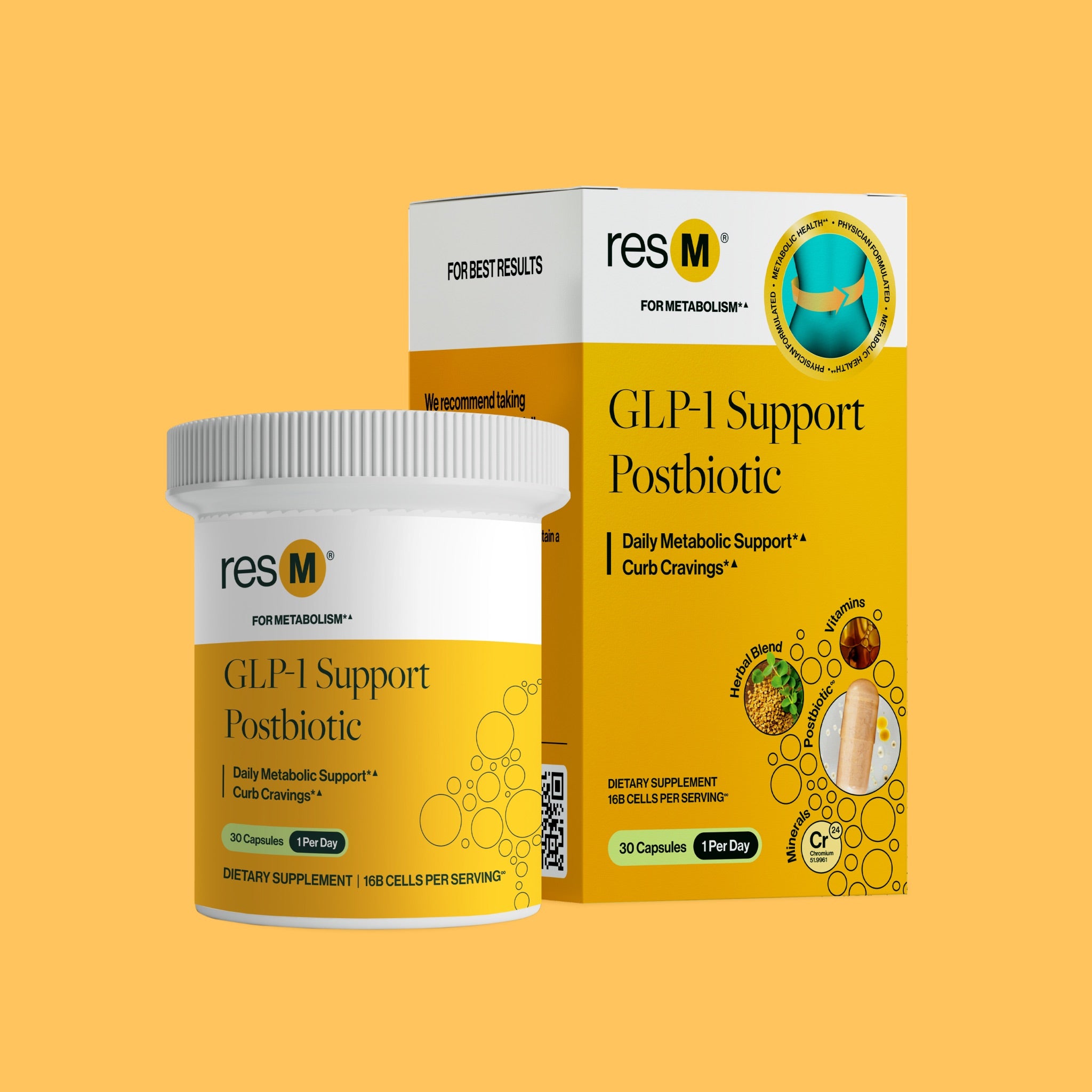
We also have a great GLP-1 probiotic and lung support probiotic. Everything we make is based on clinical research, as we’re a physician-founded brand. Learn more about the science behind our solutions today.
Frequently asked questions
Why do perimenopausal women need a probiotic?
Hormonal shifts change how the gut handles stress, digestion, sleep signals, and immune activity - usually for the worse. A probiotic/postbiotic helps steady those pathways so symptoms like bloating, mood swings, and hot flashes feel easier to manage.
What’s the best-rated probiotic for women in perimenopause?
resW is highly rated because it uses a clinically studied postbiotic plus botanicals that support sleep, mood, and vasomotor comfort.
Do doctors recommend probiotics for women in perimenopause?
We have earned clinician evaluations for resW:
“Women going through perimenopause may have trouble sleeping, which is one reason I value resW from resbiotic.” - Dr. Salvatore Carfagno, DO
“I really like how resW can work through the gut to relieve discomfort during hormonal shifts. This formula uses an interesting strain of postbiotic bacteria called L. plantarum.” - Dr. Adeeba Akhtar
“resbiotic can be a good natural choice for women who need hormone support in the years leading up to menopause.” - Dr. Donald G. Nicholas
What are the best probiotics for perimenopause weight loss?
The best probiotic for perimenopause symptoms across the board, including weight management, is resW - according to findings from pre-clinical research and reviews from real doctors and women who rely on it. We recommend pairing resW with resM for even more support.