







The changes that show up during perimenopause can feel unsettling. The good news is that the best vitamins for perimenopause can help fill in the nutritional gaps that make perimenopause symptoms so prominent. So what vitamins are good for perimenopause? These are the top 3:
- Vitamin D3: Supports bone strength and emotional stability during hormonal swings.
- Vitamin B6: Helps regulate energy and supports a more resilient stress response.
- Vitamin B12: Plays a key role in energy, cognitive clarity, and nervous system support as estrogen levels ebb and flow.
We’ll also cover other good vitamins for perimenopause, like vitamin E, vitamin C, and complementary nutrients/minerals such as black cohosh, magnesium, probiotics/postbiotics, chasteberry, L-theanine, and more.
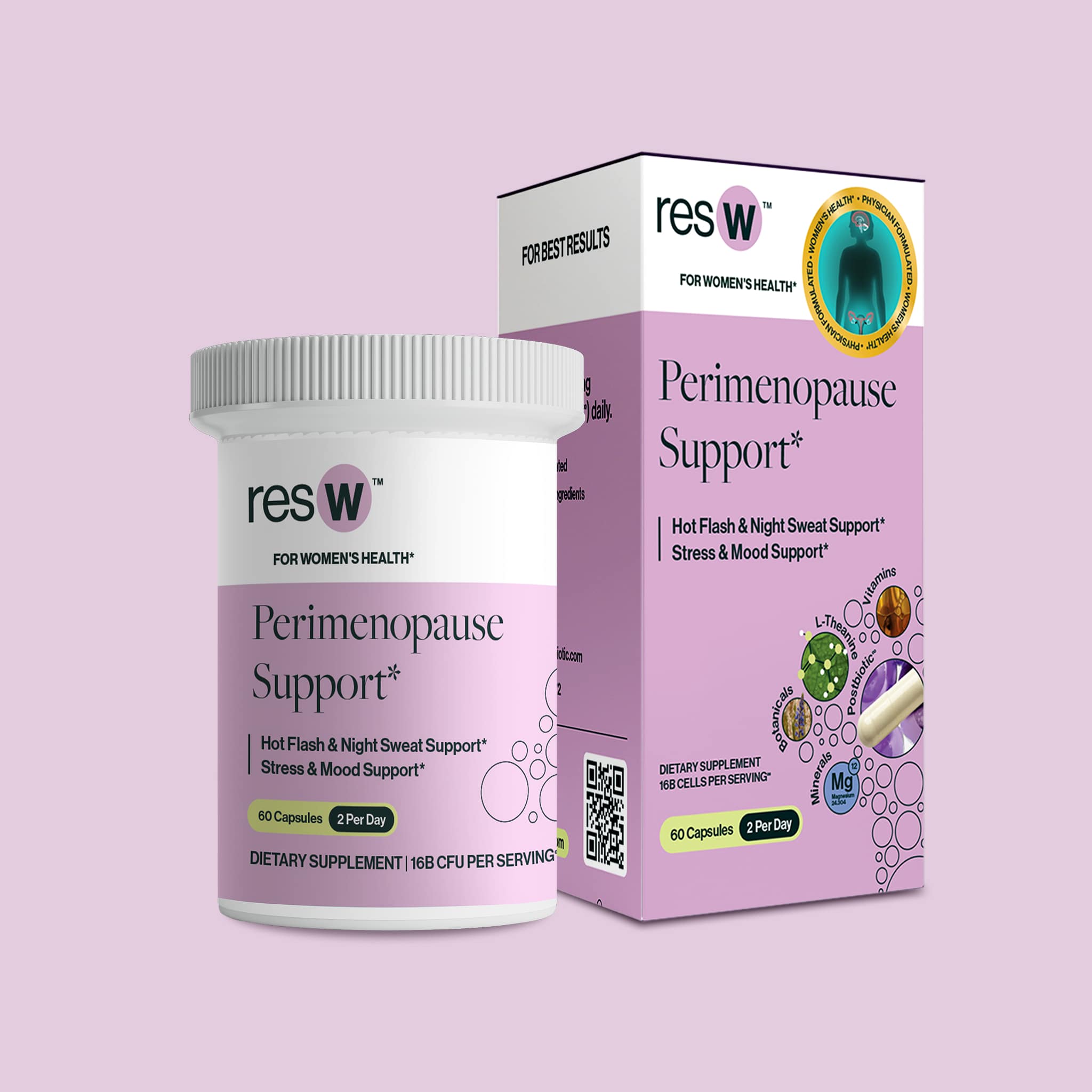
That’s the key takeaway from our guide to the best vitamins for perimenopause - you need to support your body from multiple angles at once for real, lasting relief.* That’s why resW perimenopause support is a powerful part of your daily routine during this next chapter of life.
Our physician-formulated supplement brings together all the best perimenopause vitamins, nutrients, and minerals. Some people report noticing support within 2–6 weeks*; individual results vary. * Try it now to support comfort with hot flashes, sleep, and mood changes!*
“I feel stronger emotionally. I don’t get as frustrated by small things. That’s progress for me.” - Denise
“Within two months, my hot flashes weren’t as sudden or strong. I feel more comfortable in public now.” - Rachel
“I feel supported in more than one way...my sleep, mood, and energy have all improved at least a little. That adds up.” - Diane
What is Perimenopause?
This transitional phase leading up to menopause starts when the ovaries begin producing estrogen and progesterone irregularly. It can happen in a woman’s late 30s to mid-50s, lasting several years before actual menopause begins.
The hormonal shifts of perimenopause can show up gradually or all at once. They affect everything from sleep to mood to metabolism. Common signs you’re in perimenopause are:
- Irregular or heavier periods
- Hot flashes and night sweats
- Trouble falling or staying asleep
- Mood swings or increased irritability
- Weight changes or slow digestion
- Vaginal dryness
- Brain fog or difficulty concentrating
Any of these in isolation is frustrating enough, but when they all happen simultaneously? It gets in the way of every fact of life. That’s why the proper care protocol is so important.
Typical Approach to Perimenopause Care
Most women start with lifestyle changes, like adjusting sleep routines, managing stress, and staying active. These adjustments can help you get a hold of the day-to-day swings that show up during this transition.
However, nutrition is your greatest defense during perimenopause. The body needs more support for bone health, energy, mood regulation, and hormone metabolism than ever before. You can turn to vitamins, minerals, herbs and targeted supplements to help fill these gaps.
Not just any women’s health multivitamin will bring about noticeable relief, though. So, what vitamins are good for perimenopause? Let’s unpack the best vitamins for perimenopause below.
What Vitamins Are Good for Perimenopause?
There are three vitamins in particular that can really make a difference for women in perimenopause, and a few others that might be worth including in your regimen as well. Here’s what each does and how you can incorporate them into your daily routine.
Vitamin D3
Estrogen fluctuations can speed up bone loss, leading to aching joints. This change is also why women in all stages of menopause feel so much more irritable and fatigued. Vitamin D3 supports bone strength and plays a role in mood regulation. It’s one of the best vitamins for perimenopause.
Unfortunately, it’s also the hardest to get through diet alone. Your best bet for natural vitamin D3 is through sunlight exposure - which obviously isn’t feasible year-round, and depending on where you live, deficiency is very common.
It’s available in smaller amounts in fatty fish, egg yolks, and fortified milk. But you’ll need a vitamin D3 supplement to tap into the benefits this nutrient has to offer.
Vitamin B6
Vitamin B6 helps regulate neurotransmitters that affect stress tolerance, mood swings, and sleep patterns - all areas that women struggle with as hormones shift.
Increasing your vitamin B6 intake can be really helpful if you find that your premenstrual-style symptoms (irritability or stress sensitivity) bleed into perimenopause. It also supports protein and carbohydrate metabolism as one of the best vitamins for gut health, which may help keep your energy levels steady throughout the day.
Food sources include poultry, chickpeas, bananas, potatoes, and salmon. The problem is, most cooking methods destroy B6 content - so a supplement is your best bet for consistent vitamin B6 intake.
Vitamin B12
The other B vitamin we recommend for women in perimenopause is B12 because it’s essential for nerve health, red blood cell production, and cognitive clarity. You probably know all too well how estrogen fluctuations can lead to brain fog or energy dips. B12 dampens these effects. It’s also known as one of the most effective vitamins for bloating.
Absorption decreases with age, especially among women who take acid-reducing medications or eat little animal protein. You can get this vitamin from meat, eggs, dairy, and fortified cereals, but steady intake calls for daily supplementation.
Vitamin E
Vitamin E has been studied as a way to ease hot flashes. It’s believed that this vitamin can interact with cell membranes and vascular health, which explains why some women notice fewer intense flashes when they make vitamin E part of their supplement stack. It can also help keep the skin more hydrated, which can help with dryness related to lower estrogen levels.
Natural food sources include almonds, sunflower seeds, spinach, and avocado. It’s a fat-soluble vitamin, so you’ll need to pair it with healthy fats for better absorption. Supplementation can help fill in the gaps on a day-to-day basis.
Vitamin C
Vitamin C helps the body produce collagen. This is why it’s one of the best vitamins for perimenopause, particularly when your symptoms include vaginal dryness.
It also supports immune health and iron absorption for women who still deal with heavy or irregular periods. Other women use it to support a healthier stress response throughout the body.
This is one of the easiest perimenopause vitamins to get through dietary sources. Eat citrus fruits, strawberries, bell peppers, broccoli, and kiwi on a regular basis. These are some of the best fruit for gut health, too.
Other Nutrients and Minerals That May Help
The best vitamins for perimenopause are a great addition to your regimen, but there are so many other nutrients, minerals, and herbs worth incorporating as well. Here’s what we recommend you round out your routine with:
Black Cohosh
This is among the most studied botanicals for hot flashes and night sweats. It may help reduce how intense these symptoms feel by working through the pathways that influence blood vessel activity.
Magnesium
Magnesium is among the most important minerals for human health overall, responsible for as many as 300 bodily processes. It becomes even more important during perimenopause. It helps ease so many different symptoms related to sleep, muscle tension, and mood.
But the type of magnesium matters. Some cause more harm than they’re worth with digestive discomfort (loose stools, bloating, etc.). We use magnesium glycinate for its bioavailability and low side-effect profile.
Probiotics/Postbiotics
Probiotics support digestion, mood, immune activity, and even temperature regulation through the gut-brain and gut-hormone pathways. The limitation is that probiotic bacteria have to survive the digestive tract and colonize the gut. That doesn’t always happen consistently.
That’s where postbiotics come in. These are the active compounds that beneficial bacteria produce, so they can more directly interact with the nervous and hormonal systems.
To be more specific, our clinically studied L. plantarum RSB11® postbiotic can support stress balance, gut-hormone communication, and daily comfort during perimenopause.*
Chasteberry
Chasteberry can help ease hormone-related symptoms such as irritability, breast tenderness, and cycle irregularity during perimenopause. It works through the pituitary gland, which influences how the body responds to natural hormone shifts. It could be beneficial if you feel mood changes during perimenopause that mirror PMS symptoms.
L-Theanine
L-theanine is an amino acid derived from green tea. It promotes a sense of calm in the mind without sedating you, and it’s often used alongside caffeine for smooth, steady energy and mental clarity. It’s a powerful way to dampen perimenopause stress spikes or racing thoughts.
Flaxseed
The lignans in flaxseed can support hormone metabolism during perimenopause. Its fiber content can also smooth out digestion as hormones shift. Some women say they feel less bloated and deal with fewer hot flashes after incorporating flaxseed into their regimen.
Resveratrol
This plant compound, found in grapes, berries, and red wine, may support vascular health and oxidative stress balance - so it’s worth including along with the best vitamins for perimenopause. It can be helpful if flushing and temperature swings become more noticeable.
Omega-3s
Omega-3 fatty acids are great for overall well-being. They support heart, brain, joint, and mood health all at once. Each of these areas needs more help during perimenopause. You probably know that inflammation-related discomfort can spike during perimenopause, but omega-3s can help with that as well.
Integrating Vitamins for Perimenopause into Your Routine
Not all perimenopause vitamins are made equal. You need to think carefully about what’s really worth adding to your self-care routine and what will only leave you craving more relief.
Take a close look at the full ingredients list - not just what’s included, but in what doses. Clinical dosing can make or break your experience with a vitamin supplement. But you don’t want the dosing to be so strong that it leads to unpleasant digestive side effects.
Bioavailability also matters. A lot of vitamins lose potency during digestion. You obviously want ingredients that your system can use rather than ones that pass through as waste.
Consistency is everything with perimenopause vitamins, so you need a supplement you can stick with on a daily basis. Look no further than resW at resbiotic. It combines clinically studied postbiotics with nutrients and botanicals that target the core challenges of perimenopause: mood changes, disrupted sleep, temperature swings, and daily stress.*
Our supplement is backed by independent clinical evaluations and thousands of women who have finally started to feel like their old selves again. It’s a well-rounded, science-backed formula you can take every day to keep symptoms more manageable and help your body stay steady through this transition. Order now and feel the difference firsthand.*
Parting Thoughts on the Best Vitamins for Perimenopause
So, what vitamins are good for perimenopause? As we bring our guide to a close, we hope you have a solid grasp on the best vitamins for perimenopause worth adding to your stack.
Vitamin D3, B12, and B6 are the top three, but there are so many other powerful vitamins, herbs, nutrients, and minerals worth including as well. We’ve brought together all the most research-backed in resW.
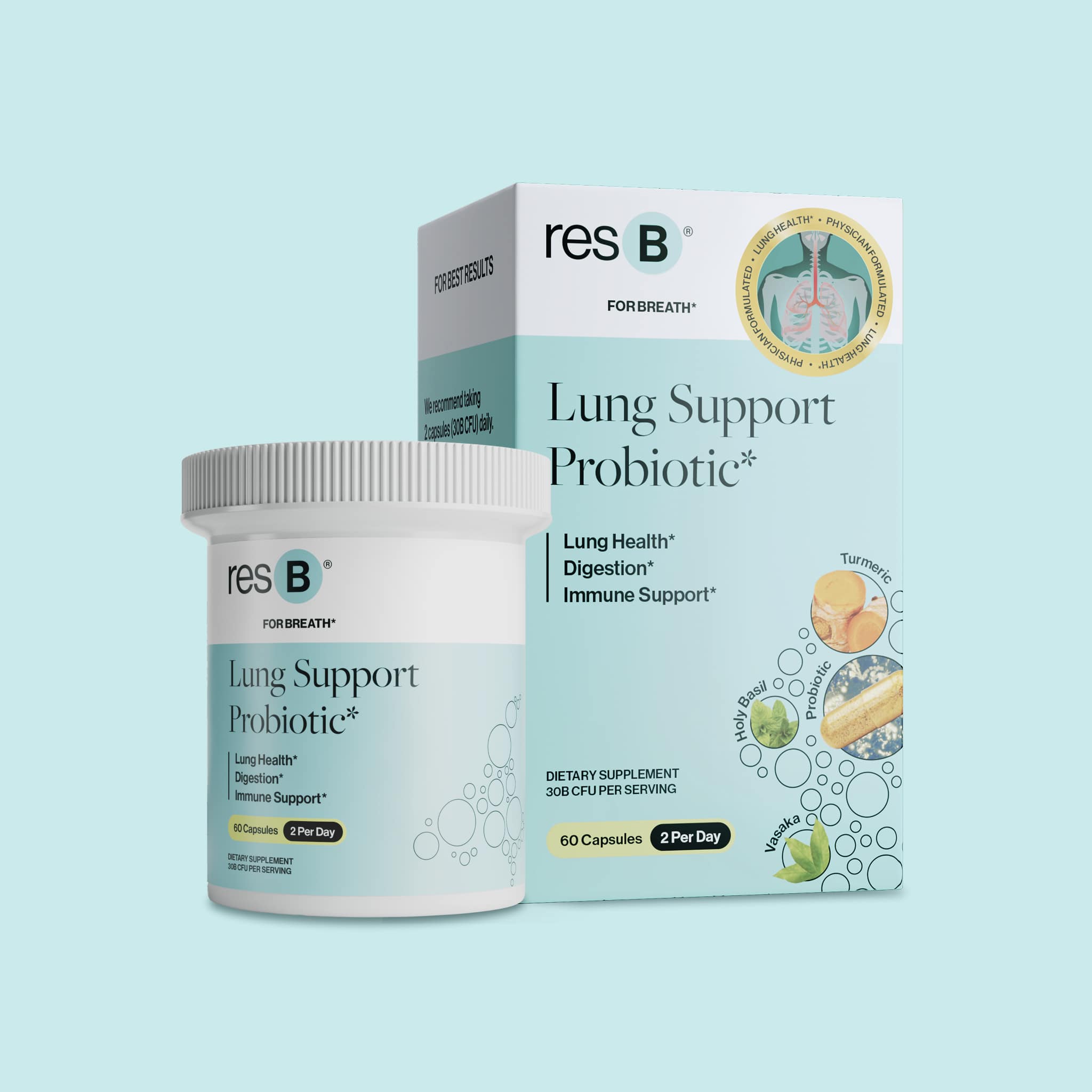
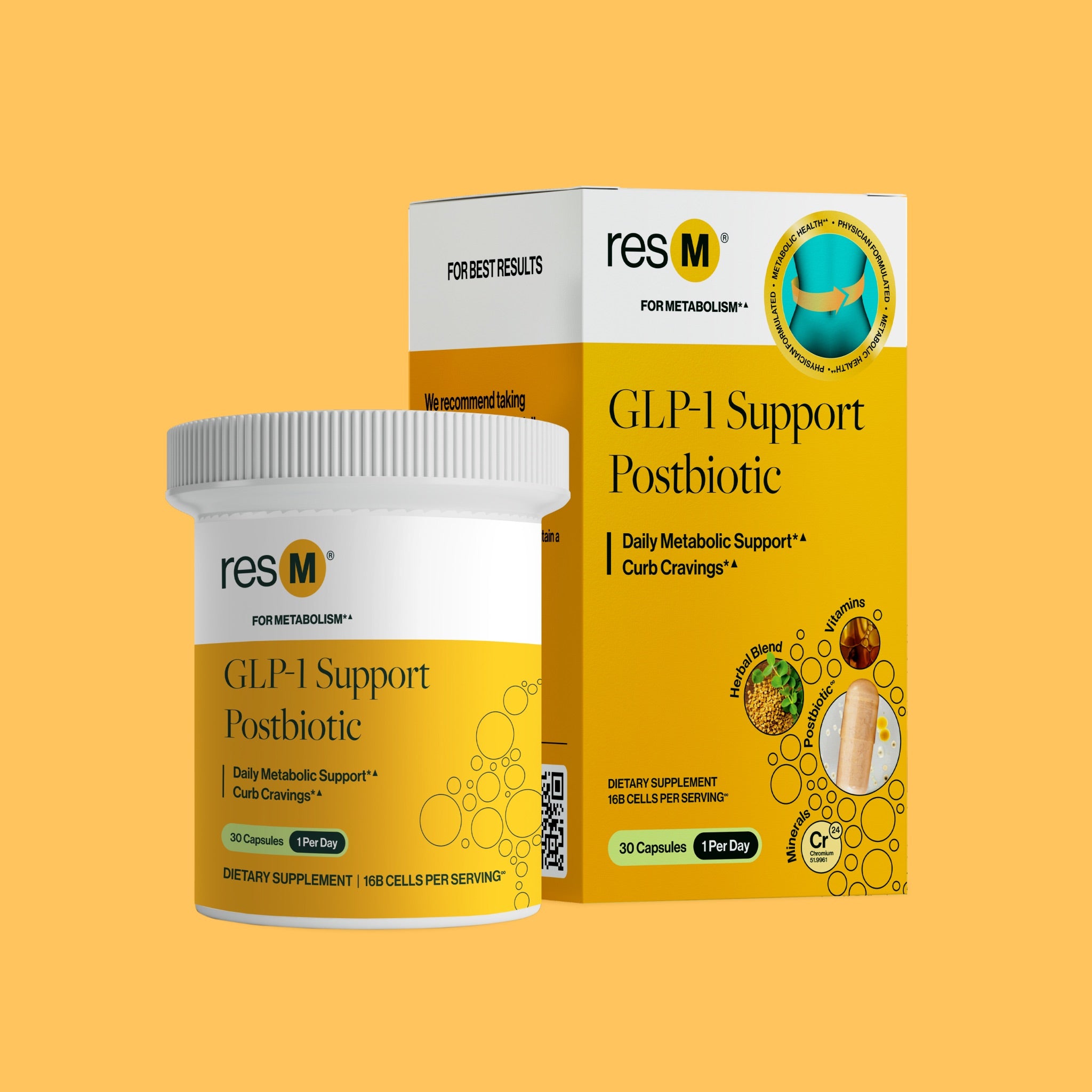
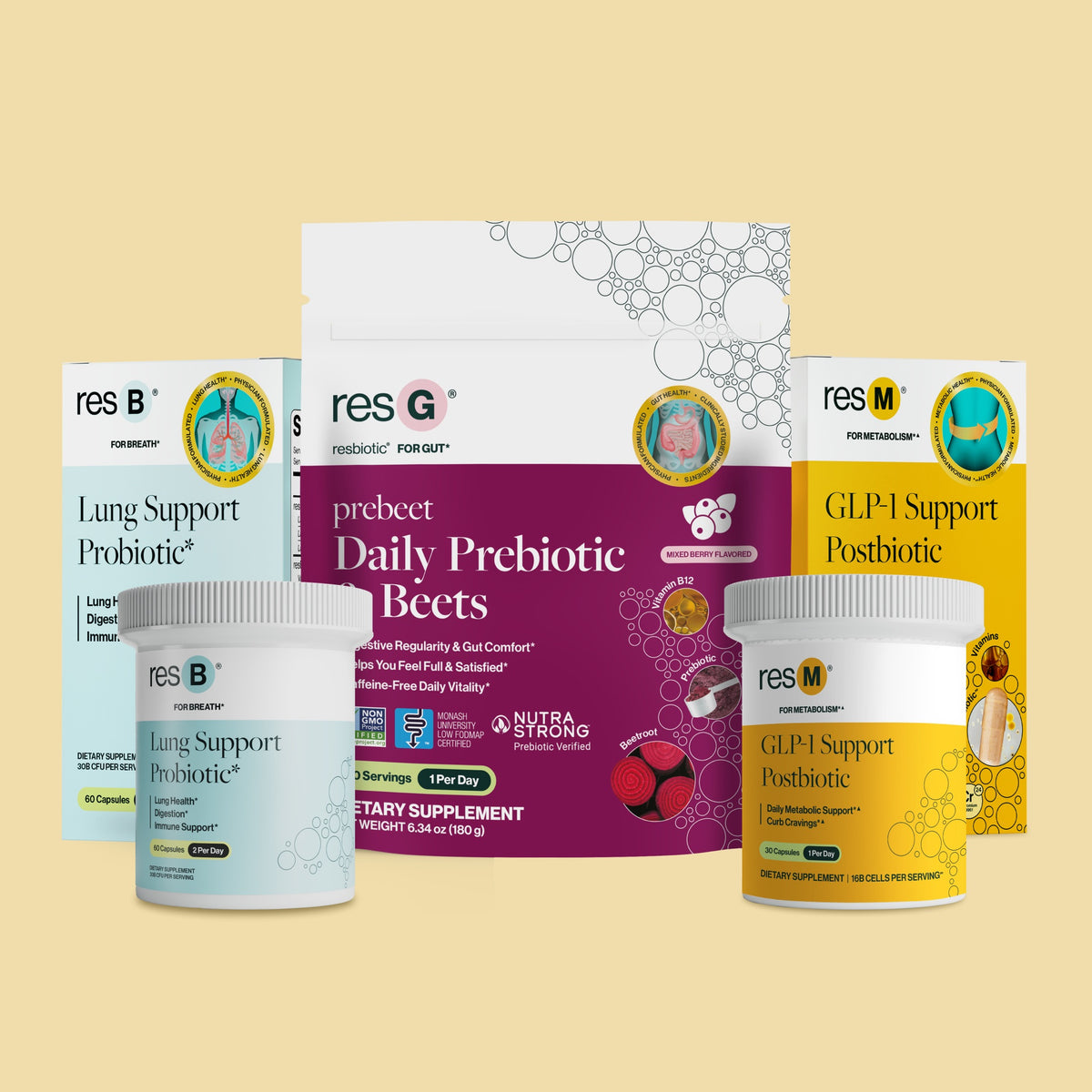
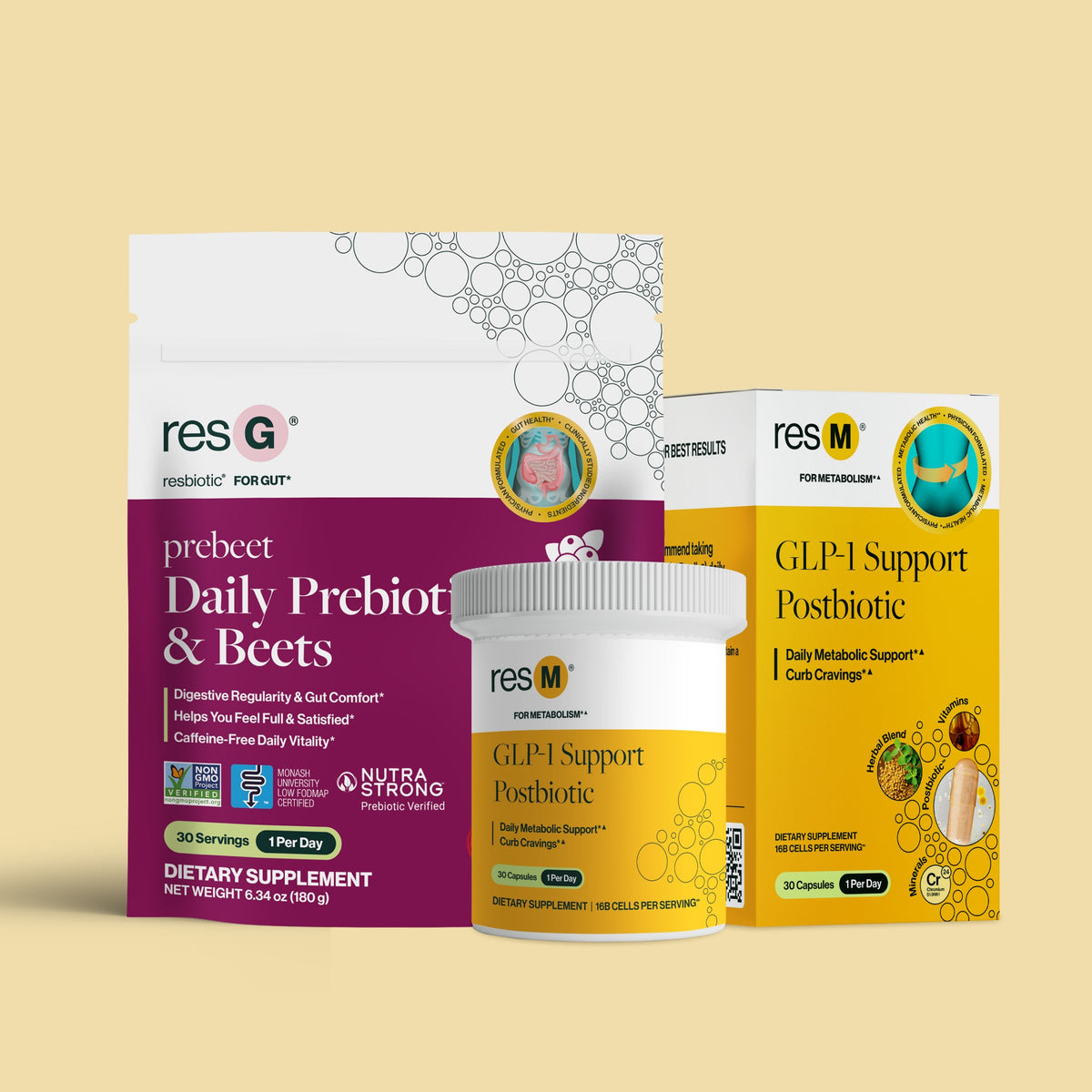
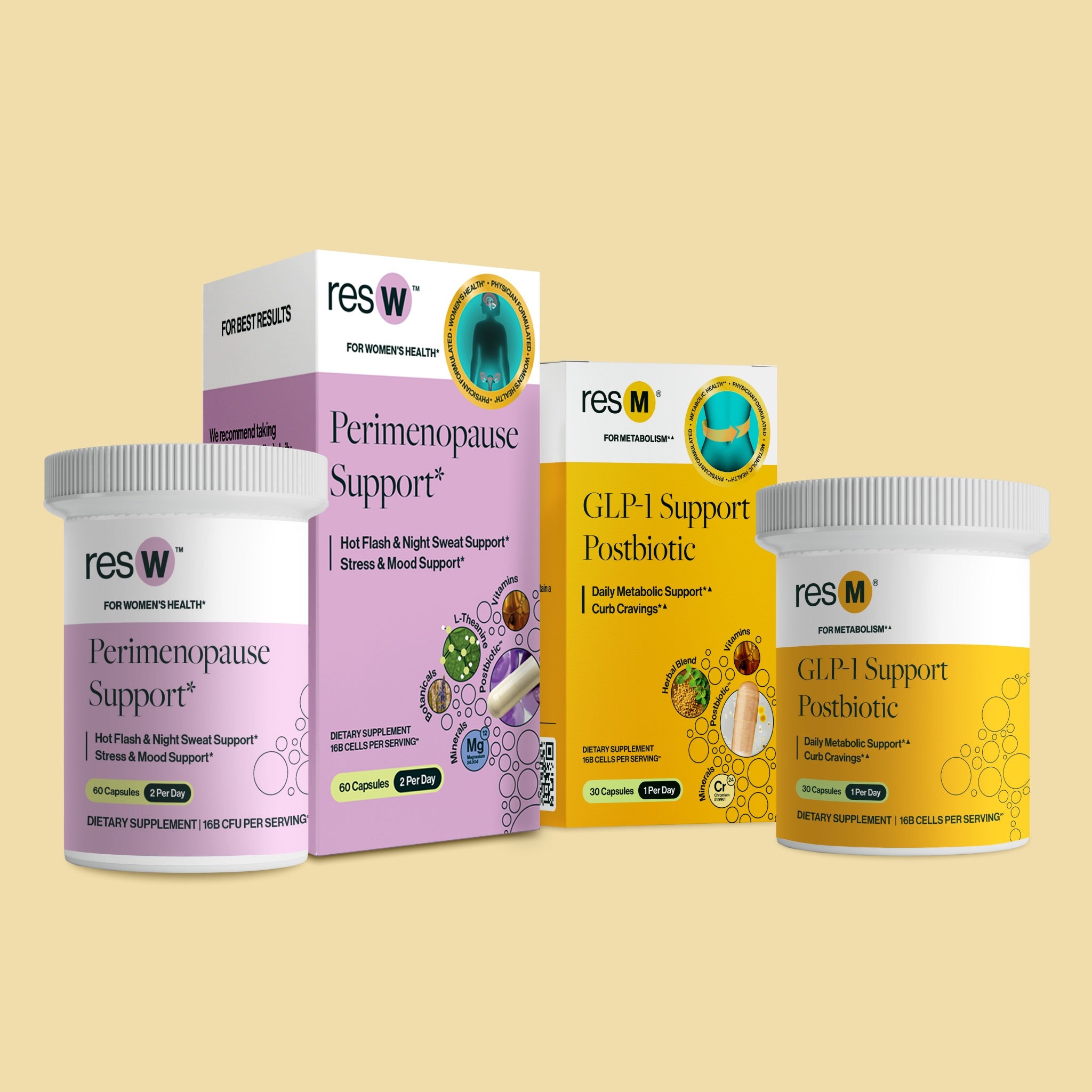
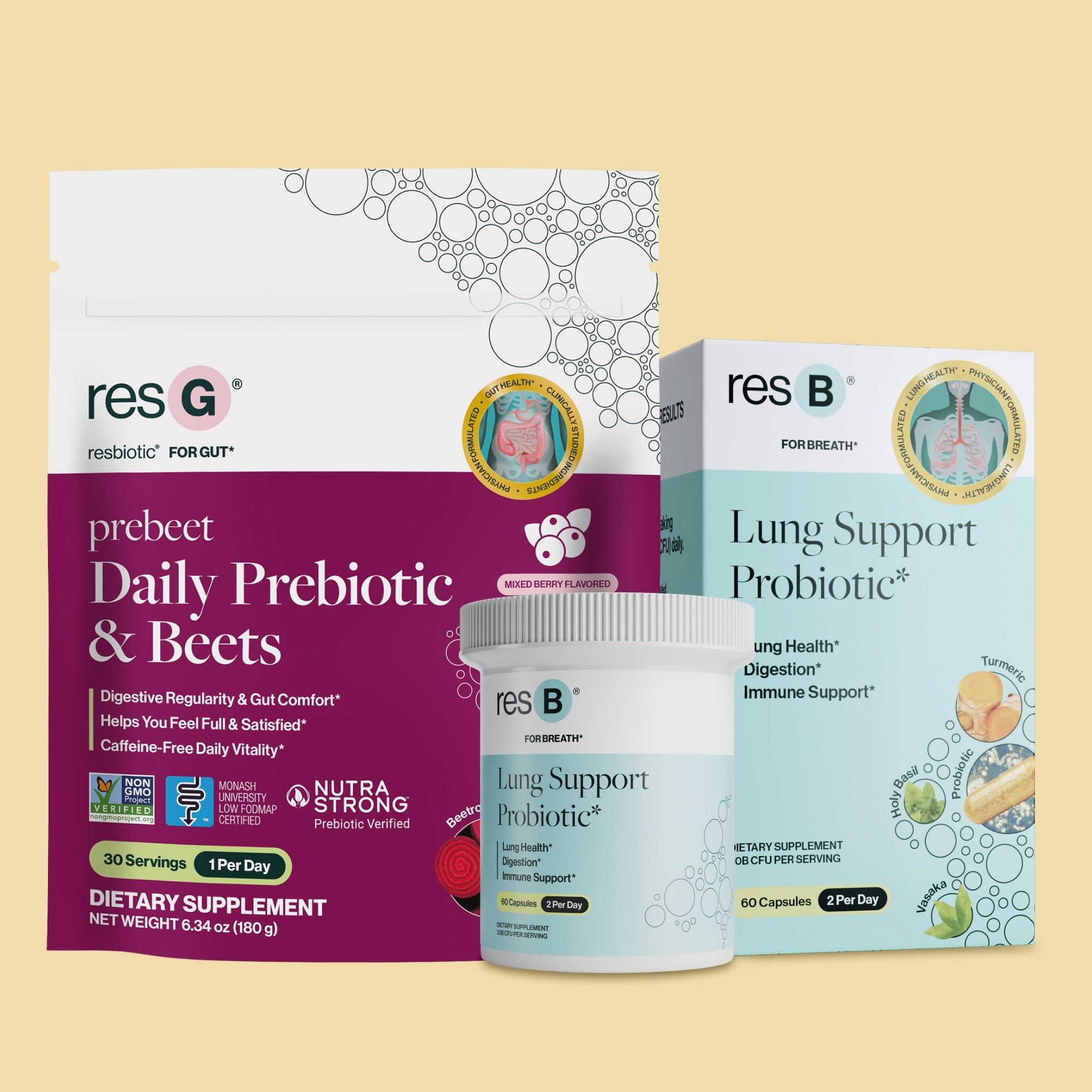
From our perimenopause support system to our GLP-1 probiotic, lung support probiotic, and more, everything at resbiotic is clinically studied and physician-formulated. You can rest assured you’re getting proven performance in every supplement.
Try it now for a perimenopause routine that helps you feel grounded, energized, and in control.*