






Easing bloating and managing weight both start in the gut. That distended, gassy feeling is usually a sign that something isn’t working the way it should in your digestive system, and that same inefficiency can often slow your metabolism and make it harder to lose weight.1
The best supplements for bloating and weight loss address the root cause, nourishing the gut and paving the way towards your goals. Things such as probiotics, prebiotics, certain vitamins, fiber, ginger, and digestive enzymes may be just what you need to remove the barriers between you and healthy weight management. Learn more about what’s actually worth trying below.
Key Takeaways
- Gut dysbiosis (a state of imbalance) can often be at the root of what contributes to bloating and weight gain. 1
- We believe the best supplements for bloating and weight loss bring the gut back into balance, supporting digestion and metabolism at the same time.
- Prebiotics, probiotics, B12, L-glutamine, digestive enzymes, ginger, and fiber all have their place in your regimen.*
- resbiotic’s resG and resM bring you probiotic and prebiotic support along with other clinically studied ingredients.*
What Causes Bloating?
You feel bloated when there’s gas trapped in your GI tract or when the muscles in charge of moving food through the digestive system aren’t firing the way they should.2 But how did you get here in the first place? Some of the most common triggers are:
- Low fiber intake
- Food intolerances
- Bacteria overgrowth
- Swallowing air while eating/drinking
- Eating or drinking too fast
It’s not a huge concern to feel bloated every once in a while, but there is likely an imbalance in the gut microbiome if you always feel bloated. It could be that certain species of bacteria that produce gas have overtaken the species that keep digestion smooth and efficient.1
Bloating and stagnant weight loss (or perhaps even weight gain) are often overlapping issues. Dysbiosis affects how your body extracts and stores energy from food, messes with hunger hormones, and can slow gut motility.3
Best Supplements For Bloating and Weight Loss
The first step towards easing the bloat and setting the stage for healthy weight management starts in the gut. We’ve handpicked the best supplements for bloating and weight loss with that connection in mind.
Prebiotics
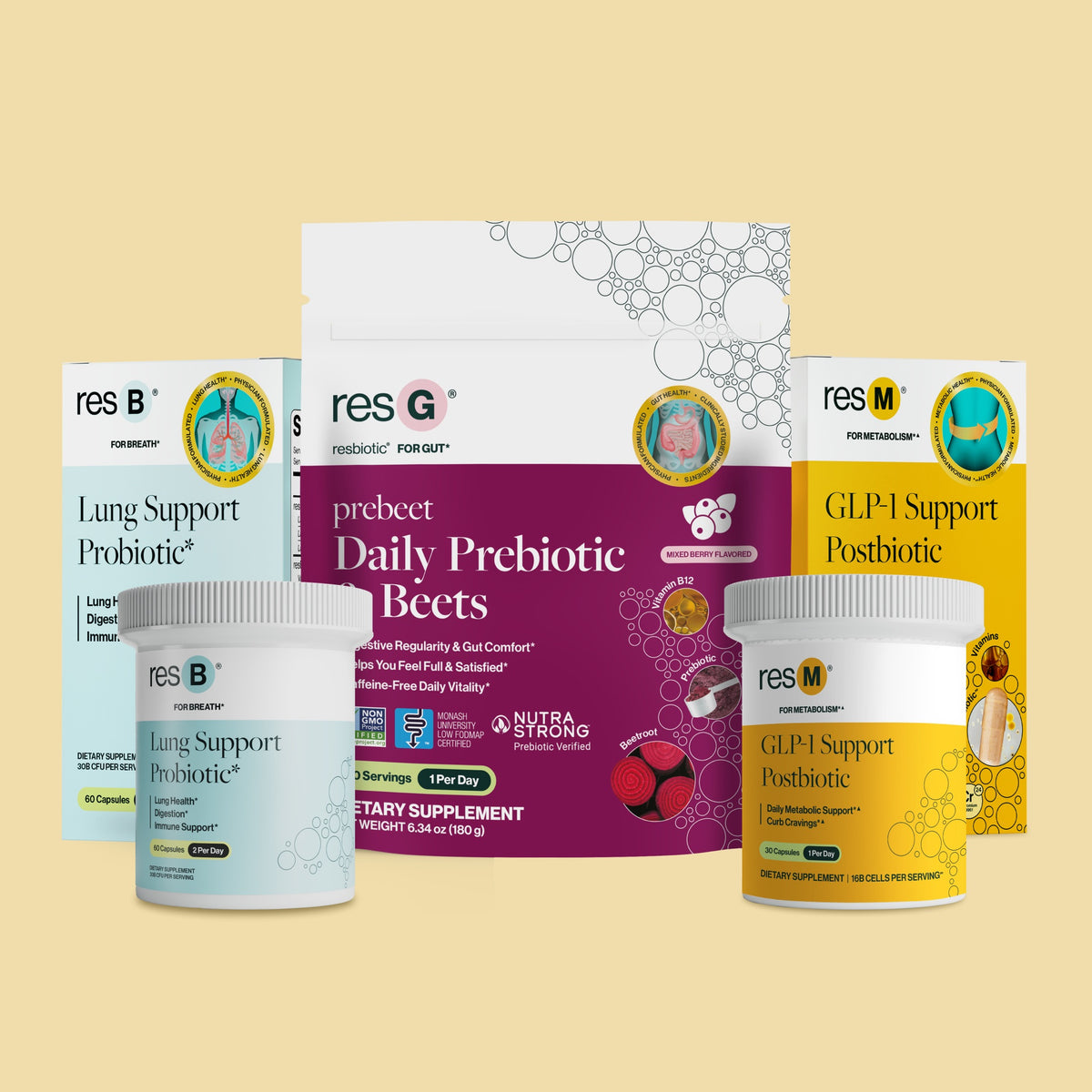
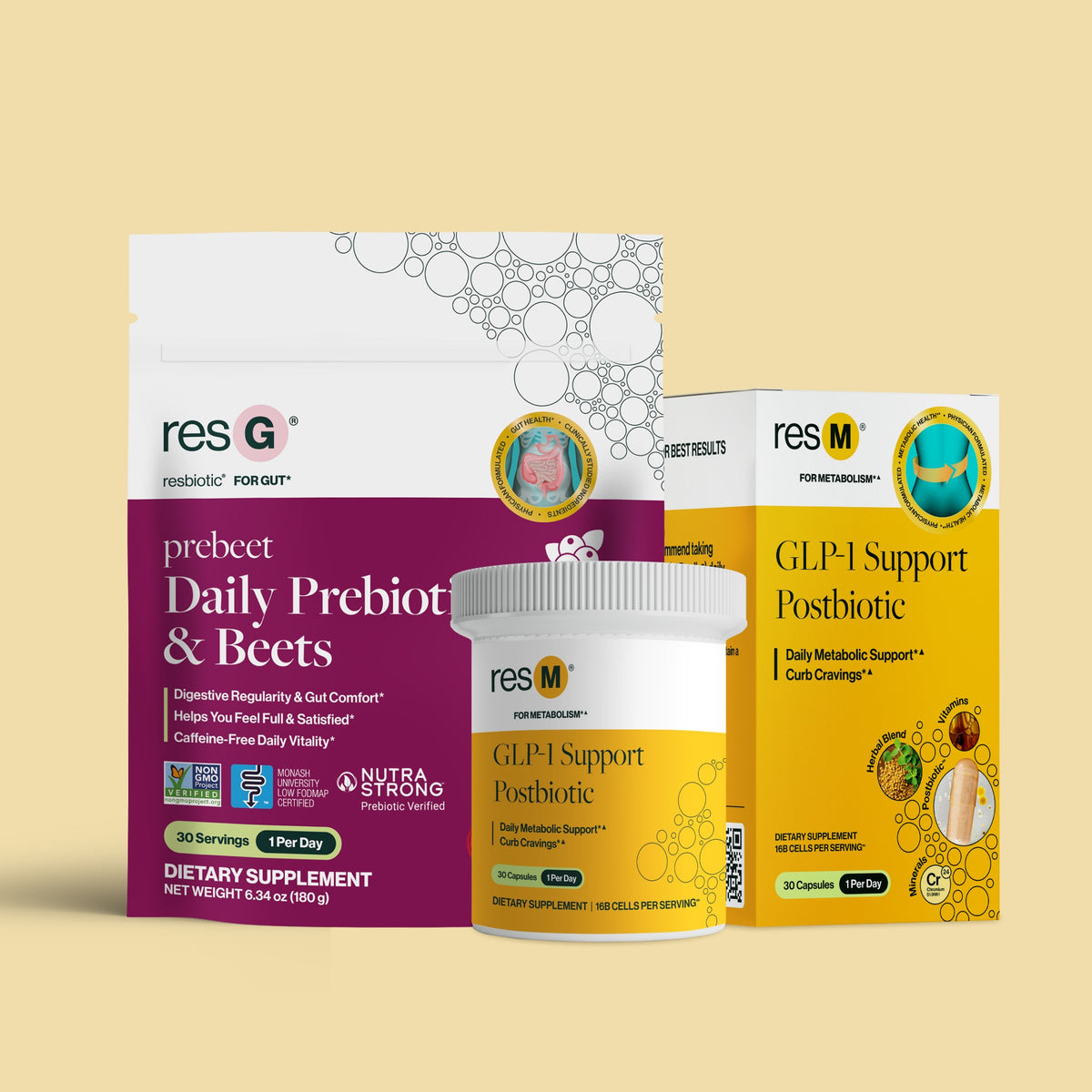
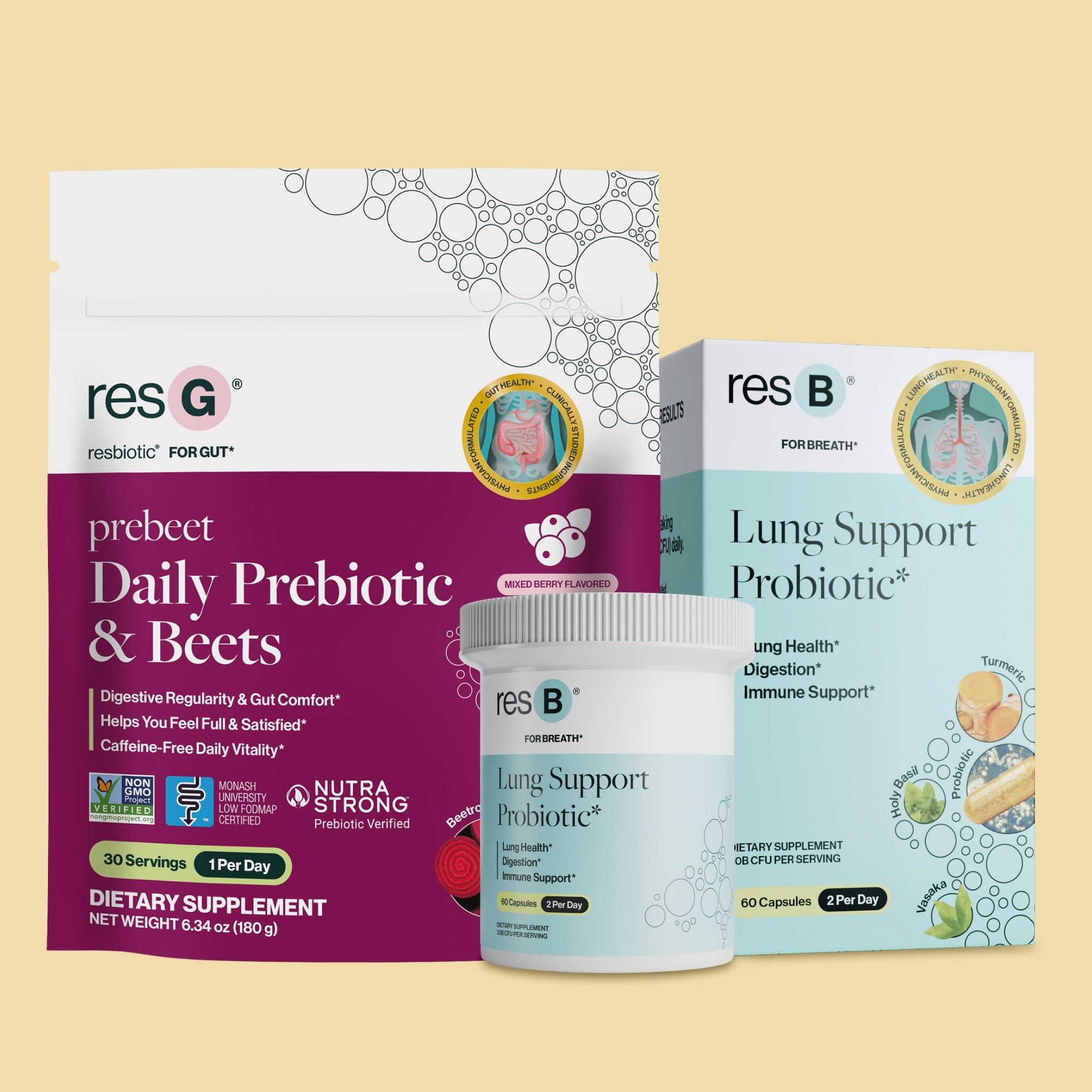
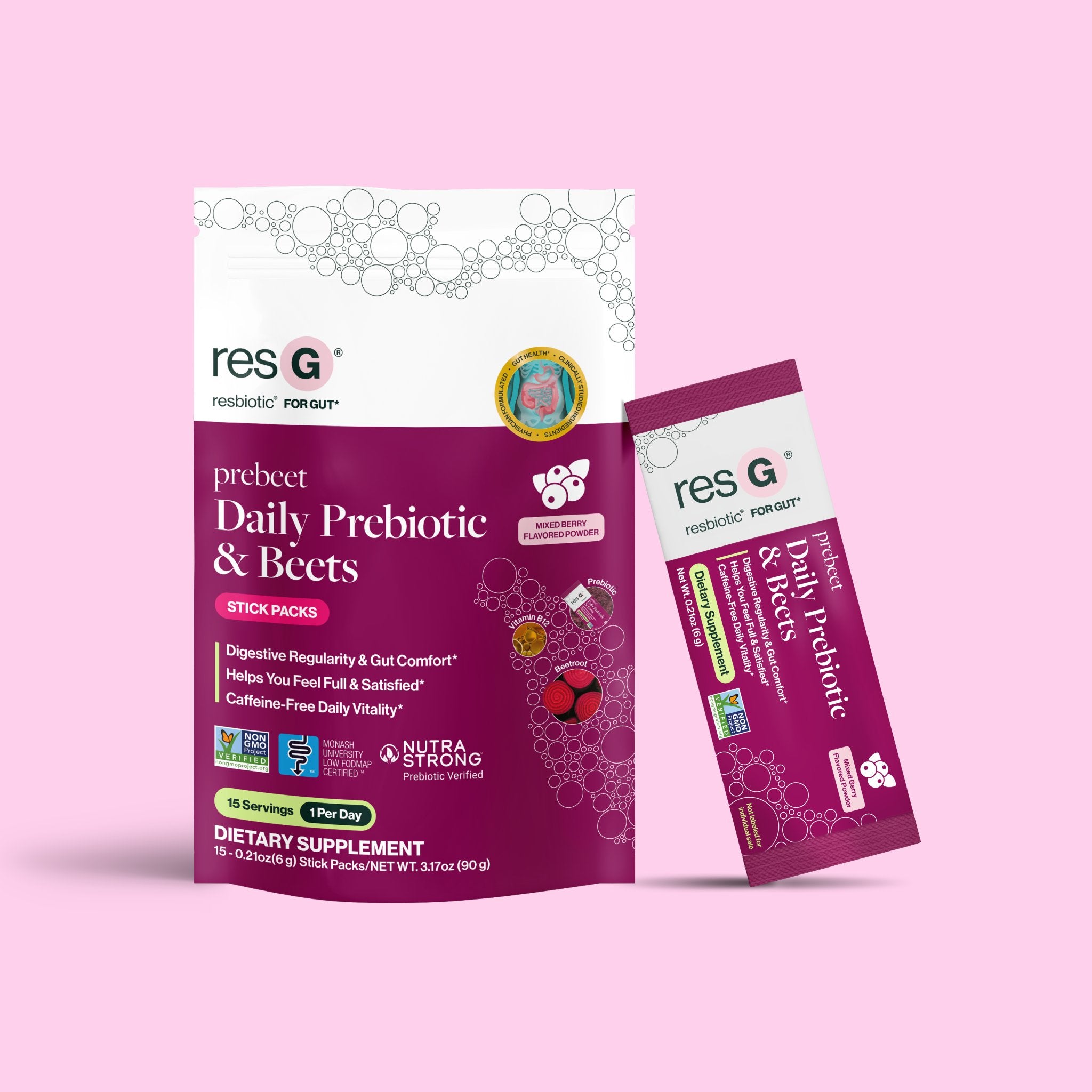
Starting with a prebiotic supplement, such as resbiotic’s resG prebeet ENERGY Prebiotic, helps feed the good bacteria in your gut that you want to thrive.
resG uses resistant potato starch, which can support Akkermansia muciniphila populations - a bacterial species that helps protect the gut barrier and overall metabolic health.4 resG also has vitamin B12 and beetroot. This combination helped increase natural GLP-1 levels by 400% in preclinical models*
You can learn more about resbiotic’s resG over on the resbiotic website and what makes it one of the best supplements for bloating and weight loss, or find it in stores near you.
Probiotics
A probiotic supplement brings more live bacteria to the gut to bring microbial diversity back into balance, crowding out the gas-producing species that are running the show right now.
A meta-analysis published in the American Journal of Gastroenterology concluded that certain probiotic strains ease bloating and abdominal distension in people with IBS and functional digestive disorders.5
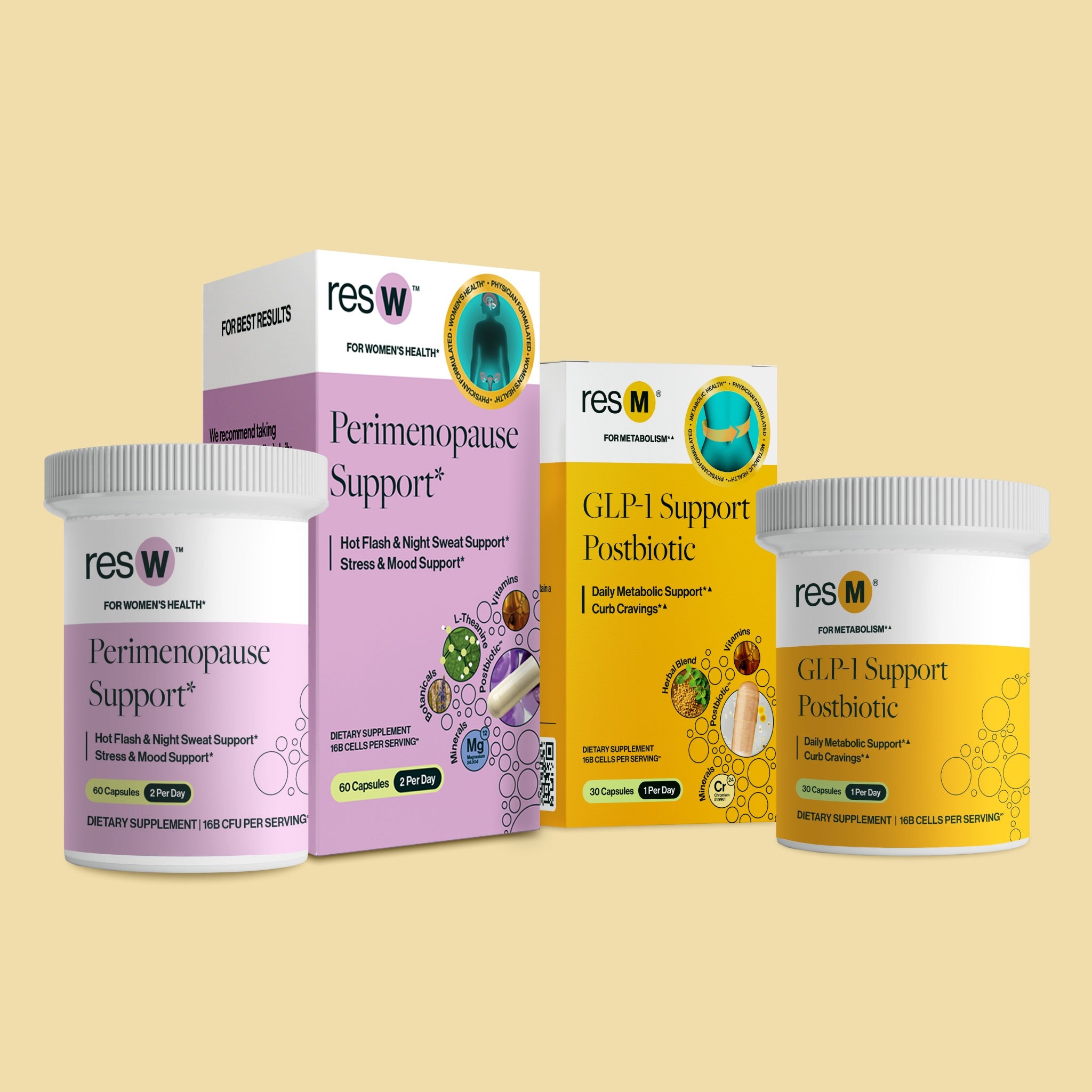
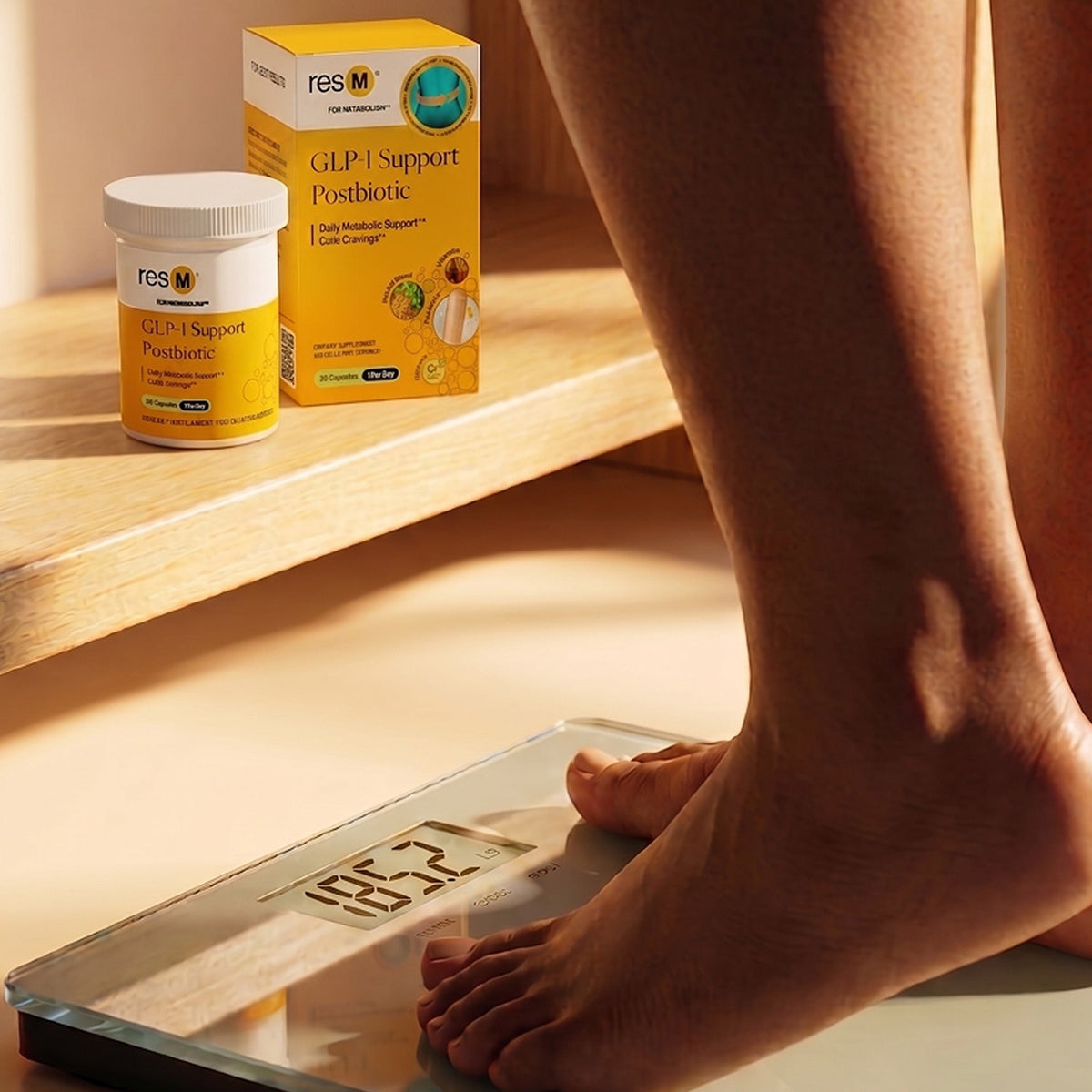
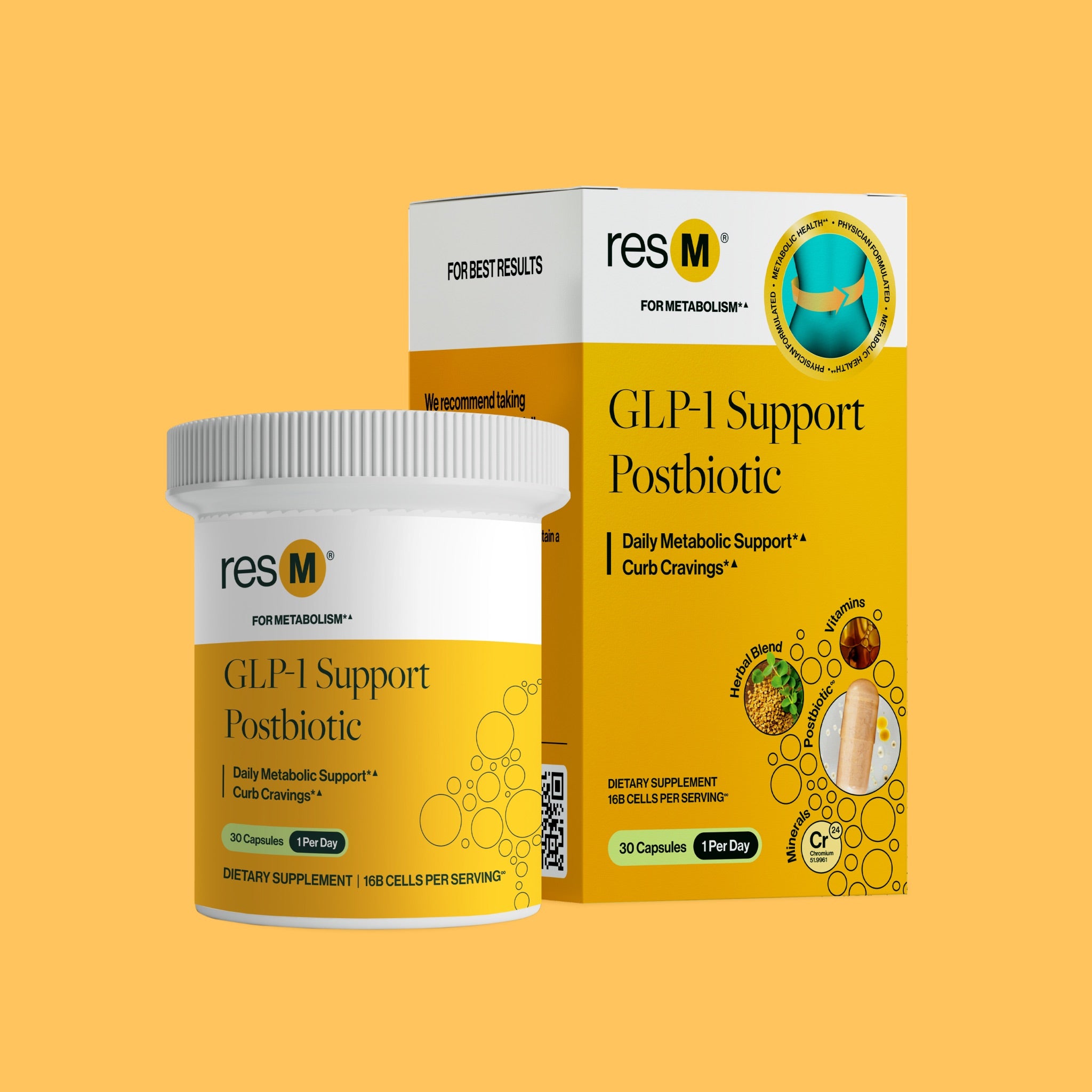
resbiotic’s resM is not like any other GLP-1 probiotic - it has postbiotics (heat-inactivated probiotics), so bacteria are able to survive the journey into your gut. It also uses chromium, white mulberry, fenugreek, and vitamins D3 and B12.
resbiotic’s resM is one of the best supplements for bloating and weight loss according to clinical data, as 97.5% of participants taking resM lost weight during the 8-week study and more than half of participants lost at least 5 pounds.*13
Vitamin B12
There’s a reason both resbiotic formulas contain vitamin B12 - it’s among the most powerful vitamins for bloating because it facilitates energy metabolism and red blood cell formation.6
Vitamin B12 deficiency is linked to fatigue, slow metabolism, and digestive irregularity. Adding one of these supplements to your arsenal (or getting more B12 through resG/resM) can support the necessary background processes that lead to efficient conversion of food into energy, rather than it getting stored as fat.*
L-Glutamine
This amino acid feeds the cells that line the intestinal wall, and has often been referred to as one of the best supplements for bloating and weight loss.
The reason is it can help uphold the seals between gut lining cells so partially digested food and bacteria can’t leak into the bloodstream.7 A compromised gut lining can often be behind chronic bloating and systemic inflammation, both of which make managing your weight difficult.
Digestive Enzymes
Digestive enzymes transform proteins, fats, and carbohydrates into molecules your body can actually absorb and use. There are three in particular you should consider:
- Lipase takes care of fats
- Protease breaks down proteins
- Amylase handles starches
Your body makes these on its own - but sometimes, it falls short on the production side. This allows food to sit in the gut longer than it should, where it can begin fermenting and producing gas.8
Set your expectations with this one, as enzymes aren’t going to do anything for weight loss directly. They just put the gut in a better place so healthy weight loss can occur.
Ginger
Ginger has been a home remedy for tummy troubles forever, and we have ample research these days to back it up. According to Food Science and Nutrition, ginger can speed up gastric emptying - which just means it moves food through the stomach faster so it doesn’t sit around and begin making gas.9 It can help minimize that “heavy” feeling you have in your stomach after eating.
Fiber
Finally, we have fiber - which is an interesting one, as it’s both a cause and solution to bloating depending on how it’s utilized. Too much fiber too quickly can make matters worse. On the other hand, gradually supplementing with fiber can feed beneficial bacteria, bulk up stools, and increase regularity.10
Another benefit of soluble fiber is that it may slow down digestion enough to increase satiety (the feeling of fullness), so you don’t overeat. Just be careful in how you add it to your routine!
Other Ways to Soothe Bloating and Support Weight Loss
The best supplements for bloating and weight loss are an excellent starting point. But there are plenty of other things you should do at the same time.
Even something as simple as how you eat can make a difference. Chew slowly and thoroughly, as this will minimize the amount of air you swallow with each bite.2 It also lightens the load on your digestive enzymes. Staying hydrated is obviously important for keeping the digestive system moving efficiently as well.
Exercise can help get the gut firing on all cylinders as well, with plenty of research showing it can encourage better microbial diversity.11 We probably don’t have to remind you that regular workouts are key to supporting your weight management goals, either.
What you don’t consume is equally important for keeping bloating at bay. Carbonated drinks, artificial sweeteners, and high-FODMAP foods can all make matters worse if you’re sensitive.12
So, take the next step towards looking and feeling better with supplement support and lifestyle changes today. Shop resbiotic online or in stores near you, such as Walmart, HEB, and Walgreens!
Parting Thoughts on the Best Supplements For Bloating and Weight Loss
There you have it, all the best supplements for bloating and weight loss. Each of these was chosen because it helps zero in on the root cause rather than simply masking the symptoms. See for yourself what a difference they can make!
Frequently asked questions
What’s the best supplement for bloating?
Prebiotics and probiotics are usually the best starting point when the gut falls into disarray, but vitamin B12, digestive enzymes, and fiber are all good options as well.
Can magnesium help with bloating as well?
Magnesium citrate and oxide may draw water into the intestines and promote bowel movements, helping ease bloating that is caused by constipation.12 It won’t do anything for bloating caused by gas or microbial imbalance, though.
Are greens powders really worth it?
Usually not. Many overpromise and underdeliver, but people think they are being healthy so they continue drinking them. Look at the label and see if it has prebiotic fibers and digestive enzymes that actually have research behind them.
How fast can a supplement reduce bloating?
You can feel relief within hours with digestive enzymes and ginger. On the other hand, prebiotics and probiotics can take a few weeks to actually make meaningful changes in the gut microbiome.5
What should I avoid if I’m already struggling with bloating?
Carbonated beverages, sugar alcohols (sorbitol, mannitol, xylitol), high-FODMAP foods - along with too much fiber, too quickly.12 Make sure you’re eating slowly as well.
Related Resources
Is Tirzepatide the Same as Ozempic? | Byetta vs Ozempic | Akkermansia for Weight Loss
References
- Canakis A, et al. "Irritable bowel syndrome and gut microbiota." Curr Opin Endocrinol Diabetes Obes. 2020. PubMed
- Lacy BE, et al. "Pathophysiology, Evaluation, and Treatment of Bloating." Gastroenterol Hepatol. 2011. PubMed
- Geng J, et al. "The links between gut microbiota and obesity." Biomed Pharmacother. 2022. PubMed
- Cani PD, de Vos WM. "Next-Generation Beneficial Microbes: The Case of Akkermansia muciniphila." Front Microbiol. 2017. PubMed
- Ford AC, et al. "Efficacy of prebiotics, probiotics, and synbiotics in irritable bowel syndrome." Am J Gastroenterol. 2014. PubMed
- O'Leary F, Samman S. "Vitamin B12 in health and disease." Nutrients. 2010. PubMed
- Rao R, Samak G. "Role of Glutamine in Protection of Intestinal Epithelial Tight Junctions." J Epithel Biol Pharmacol. 2012. PubMed
- Ianiro G, et al. "Digestive Enzyme Supplementation in Gastrointestinal Diseases." Curr Drug Metab. 2016. PubMed
- Nikkhah Bodagh M, et al. "Ginger in gastrointestinal disorders." Food Sci Nutr. 2019. PubMed
- Fu J, et al. "Dietary Fiber Intake and Gut Microbiota in Human Health." Microorganisms. 2022. PubMed
- Cullen JMA, et al. "A systematic review on the effects of exercise on gut microbial diversity." Front Physiol. 2023. PubMed
- Rao SSC, et al. "Systematic Review: Dietary Fibre and FODMAP-Restricted Diet in the Management of Constipation." Aliment Pharmacol Ther. 2015. PubMed
- Pala OSK, Nicola T, Madhvacharyula T, et al. An oral heat-inactivated postbiotic increases endogenous GLP-1 and promotes weight loss in adults with overweight or obesity: a randomized placebo-controlled trial. medRxiv. Preprint posted August 3, 2026. doi:10.64898/2026.07.23.26358809