










While more and more people turn to GLP-1 agonist drugs such as Ozempic, Wegovy, and others, some prefer to manage their weight more naturally. You may have stumbled across chromium for weight loss in exploring holistic alternatives. But does chromium help with weight loss, and if so, how do you actually tap into its benefits?
There’s a strong connection between chromium and weight loss, and we’ll dig into the evidence below. The mineral ties into insulin signaling and blood sugar regulation, both of which can influence how your body stores and burns fat.1
However, the type of chromium and the way it’s used can make or break your results. What you’re doing alongside using a chromium supplement for weight loss matters as well. Learn more below, including the benefits of a GLP-1 probiotic containing chromium.*
Key Takeaways
- Chromium enhances insulin sensitivity and stabilizes blood sugar to support weight management. 1
- There have been modest results shown through clinical trials on chromium for weight loss.2
- Most of the positive findings have been specific to chromium picolinate, the most bioavailable form.3
- Some findings suggest chromium can even minimize cravings and help you get into (and stay in) a caloric deficit.4
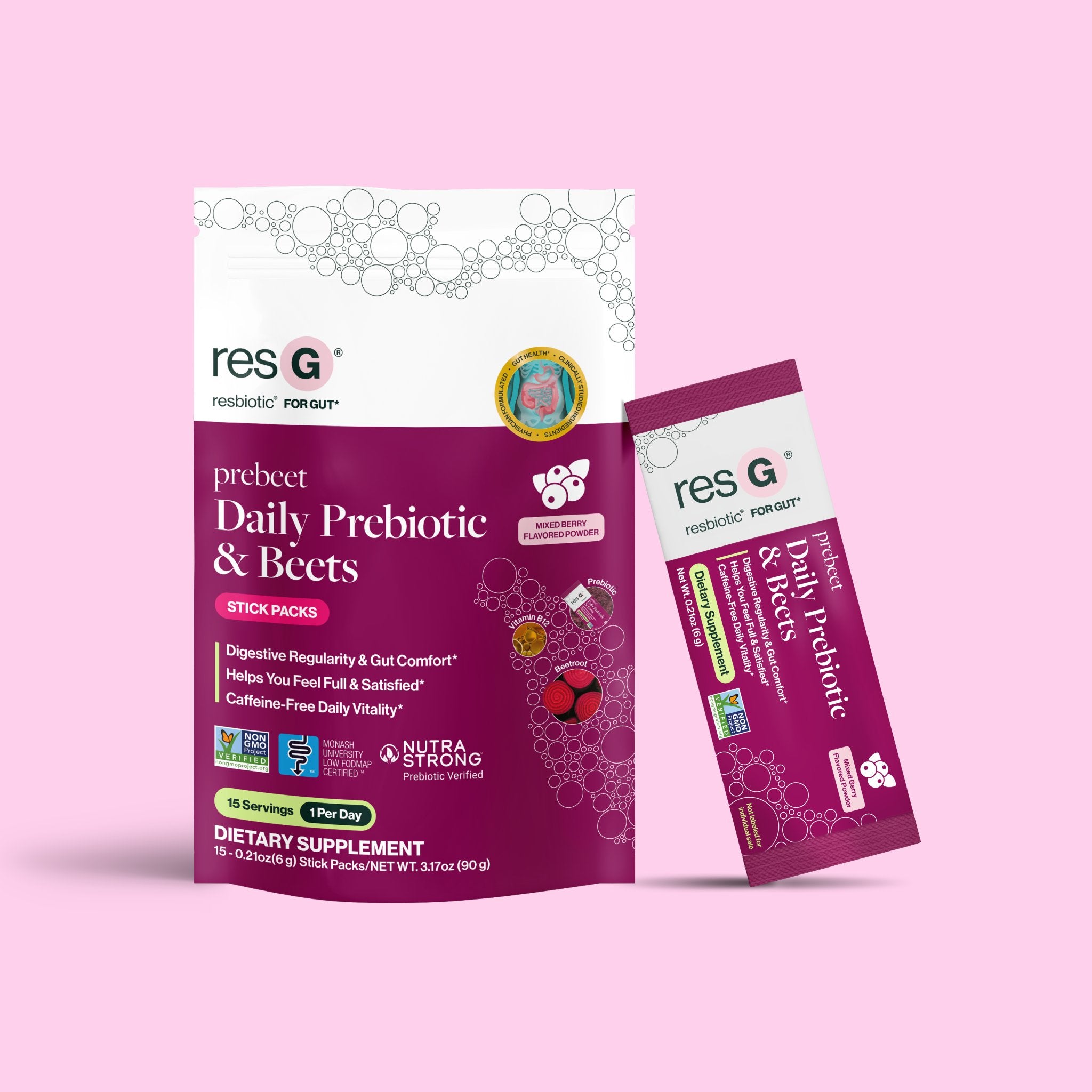
- resbiotic’s resM combines chromium, postbiotics, fenugreek, white mulberry, and vitamins. 97.5% of participants taking resM lost weight during the 8-week study.8
What is Chromium?
Your body requires this trace mineral in very small amounts. It’s found in two main forms:
- Trivalent chromium (Cr3+) - the biologically active form in food and supplements.
- Hexavalent chromium (Cr6+) - a toxic industrial compound that’s irrelevant to nutrition.
For the sake of this conversation on chromium and weight loss, we are always referring to trivalent chromium. The body doesn’t make any on its own, though, so you have to get it through either food or supplements. Good sources include:
- Broccoli
- Grape juice
- Whole grains
- Garlic
- Beef
The National Institutes of Health advocates for consuming 25-30 micrograms of chromium every day.5 Most adults have no trouble hitting this range.
Deficiency is actually quite rare. However, it’s definitely possible if you eat a diet high in refined sugar or have a very intense exercise regimen - both of these can deplete chromium. Aging can also lower your body’s ability to absorb and use chromium, so even if you consume enough, it might not cut it.1
Suboptimal chromium intake doesn’t necessarily manifest itself in the form of severe symptoms. But, you may find that managing your weight becomes more of a challenge without ample chromium. So, does chromium help with weight loss?
Does Chromium Help With Weight Loss?
It helps to understand what the mineral’s main job is, first. Chromium supports insulin in doing its primary task - moving glucose from the bloodstream into cells more efficiently.1 Chromium’s connection to insulin metabolism is what we’re most interested in here.
So, does chromium help with weight loss? The honest answer is we do have some chromium weight loss research, albeit with modest findings. We combed through a meta-analysis of 9 randomized controlled trials published in the International Journal of Obesity. There was a significant (yet small) reduction in body weight among individuals who supplemented with chromium. More specifically, an average difference of around 1.1kg.2
It’s nothing groundbreaking, but that’s why our stance is simple - chromium on its own can be helpful in managing weight. Chromium paired with other clinically relevant ingredients can have a profound effect on your weight loss journey.*
We’ll talk about some complementary ingredients later on, but for now, let’s zero in - HOW does chromium help with weight loss?
The Connection to Blood Sugar
Chromium’s ability to enhance insulin sensitivity forces cells to respond more effectively to insulin, pulling glucose from the bloodstream faster.1 This is important because the body is less likely to store excess glucose as fat when blood sugar is stable.
On the other hand, blood sugar spikes (followed by crashes) can trigger cravings and fatigue, leading to overeating.6 We see this play out all the time - you eat a meal (or snack) high in carbohydrates, which sends insulin skyrocketing and blood sugar plummeting. You feel hungry again within hours. This cycle makes it tough to maintain a caloric deficit.
A systematic review published in Diabetes Care found that chromium supplementation improved glucose metabolism markers in people with type 2 diabetes.6 Though the effects were less pronounced in healthy individuals, it’s intriguing.
Calming Cravings and Emotional Eating
One of the more compelling findings on chromium and weight loss has to do with the mineral’s ability to quell cravings, backed by a separate study published in Diabetes Technology and Therapeutics. 600 mcg of daily chromium picolinate was able to minimize:
- Food intake
- Hunger levels
- Fat cravings
The scientists believe that chromium was able to influence serotonin and dopamine pathways in the brain, both of which are tied to mindless eating or stress eating.4
This aspect of using chromium for weight loss is relevant if you find yourself snacking without even thinking about it, something a lot of people struggle with. You eat well 80% of the day, but binge your favorite snacks at night and derail your progress. Chromium may help ease the cravings that send you spiraling.
Different Forms of Chromium For Weight Loss
We spoke to the two types of chromium earlier - trivalent chromium (Cr3+) and hexavalent chromium (Cr6+). But there are actually a few distinct forms of that you’ll see come up in chromium weight loss conversations.
- Chromium picolinate: The most studied form as it pertains to weight management. It’s chromium bound to picolinic acid, a duo with the highest bioavailability.
- Chromium polynicotinate: Chromium paired with niacin (Vitamin B3). Solid absorption and sometimes referred to as “gentler.” But there’s a lot less chromium weight loss evidence for this form. The one case where it could make sense is if you’re already taking niacin for lipid management, as it consolidates your supplements.
- Chromium chloride: Less bioavailable and rarely found in supplements for weight management. You may see it in some multivitamins nonetheless, but it’s not the form you should seek out by any means.
The form matters as much as the dose, if not more so - which is why chromium picolinate for weight loss is the way to go.3 Cheap supplements use chromium chloride or polynicotinate because they’re more affordable to manufacture, but this is selling the benefits of chromium short. Assume chromium chloride if the supplement doesn’t disclose the exact type.
How Much Chromium For Weight Loss?
The question of dosage comes up as soon as people become aware of all that chromium can do to encourage better weight management. The tricky part is there’s no one-size-fits-all answer on how much chromium for weight loss is best.
The daily recommended intake is 25-305 mcg for adults. That’s just to prevent deficiency, though, not a recommendation rooted in weight loss goals.5
Most clinical trials use dramatically higher doses of chromium for weight loss - somewhere between 200 and 1,000 mcg of chromium picolinate daily.2,4 The study on cravings in particular used 600 mcg. This is the dose used in resbiotic’s resM GLP-1 Support Postbiotic.
It’s worth noting that the NIH has not reported any upper limit for chromium, as it has a strong safety profile even up with 1,000 mcg daily.5
What Else Should You Pair Chromium With?
As mentioned earlier, our stance is that chromium should be paired with other complementary ingredients to boost its potential. After all, weight management involves multiple systems all working in synergy, and chromium addresses just one piece of the metabolic puzzle.
Anything that supports natural production of GLP-1 is a good pairing for chromium. This hormone is all the hype right now as it slows gastric emptying, minimizes appetite, and tells the brain you’re full sooner (and for longer).7
We’re not saying you need to ask your doctor about Ozempic, Wegovy, Mounjaro, or other drugs, though. After all, the side effects of GLP-1 can be quite harsh - and the weight lost tends to rebound if you stop taking the drug.
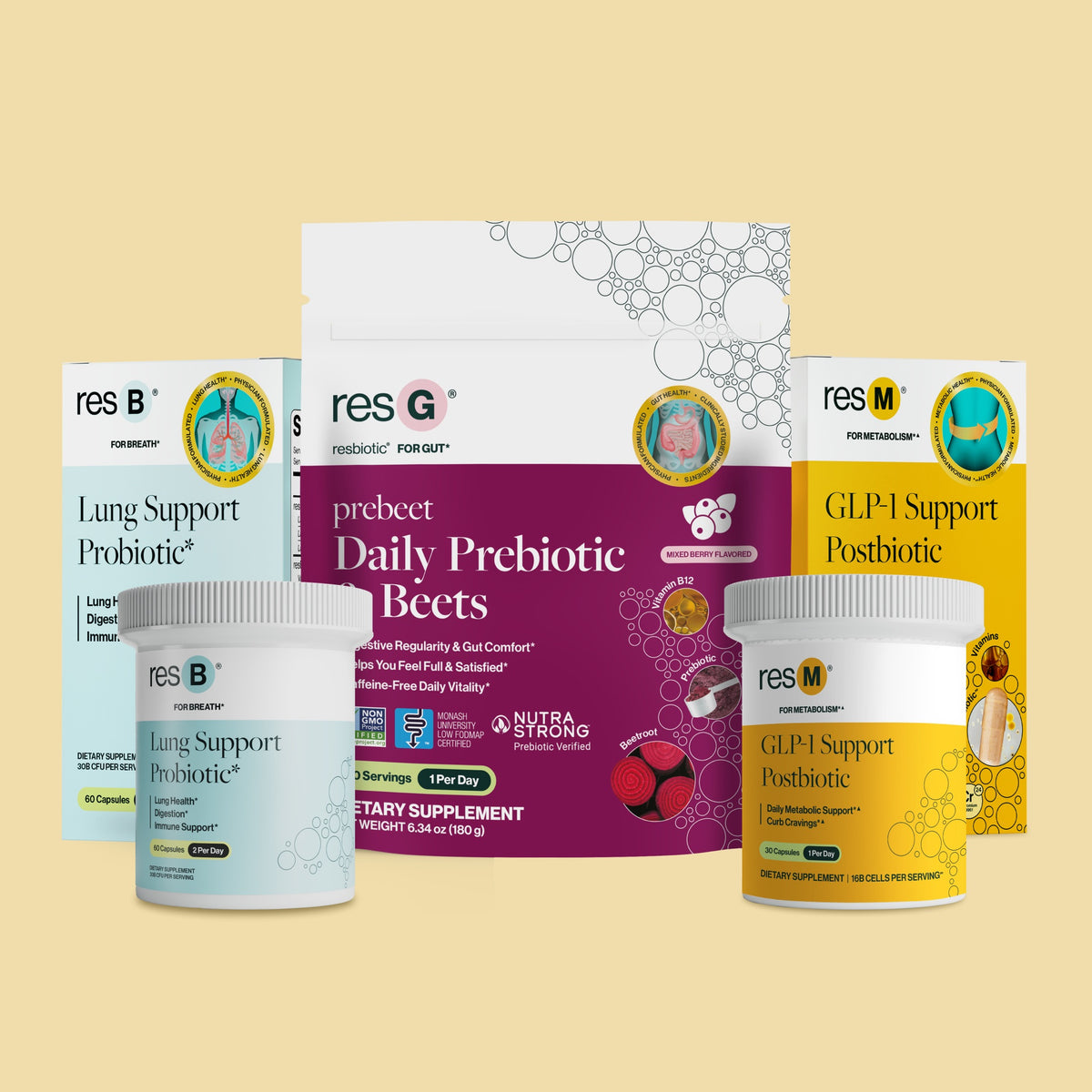
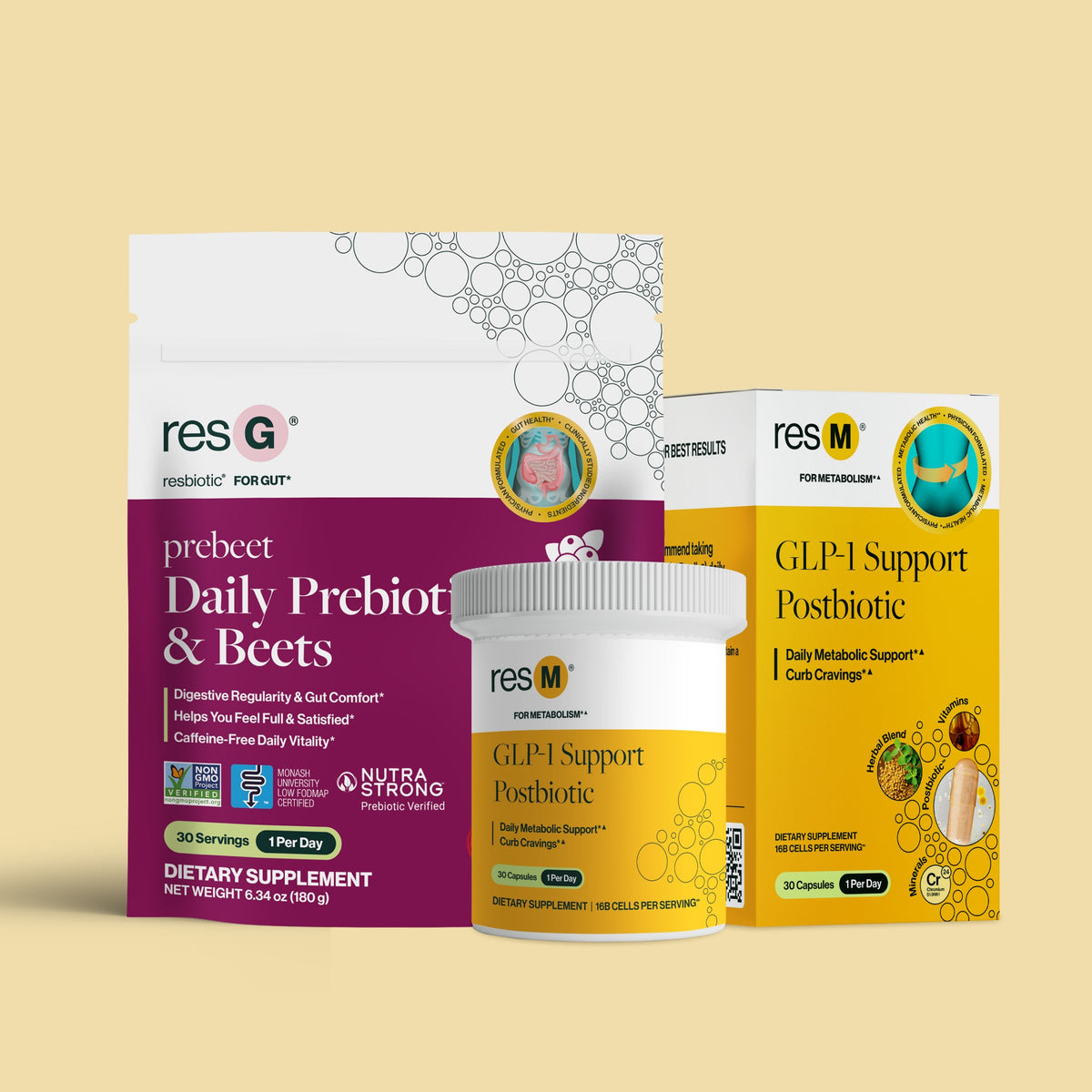
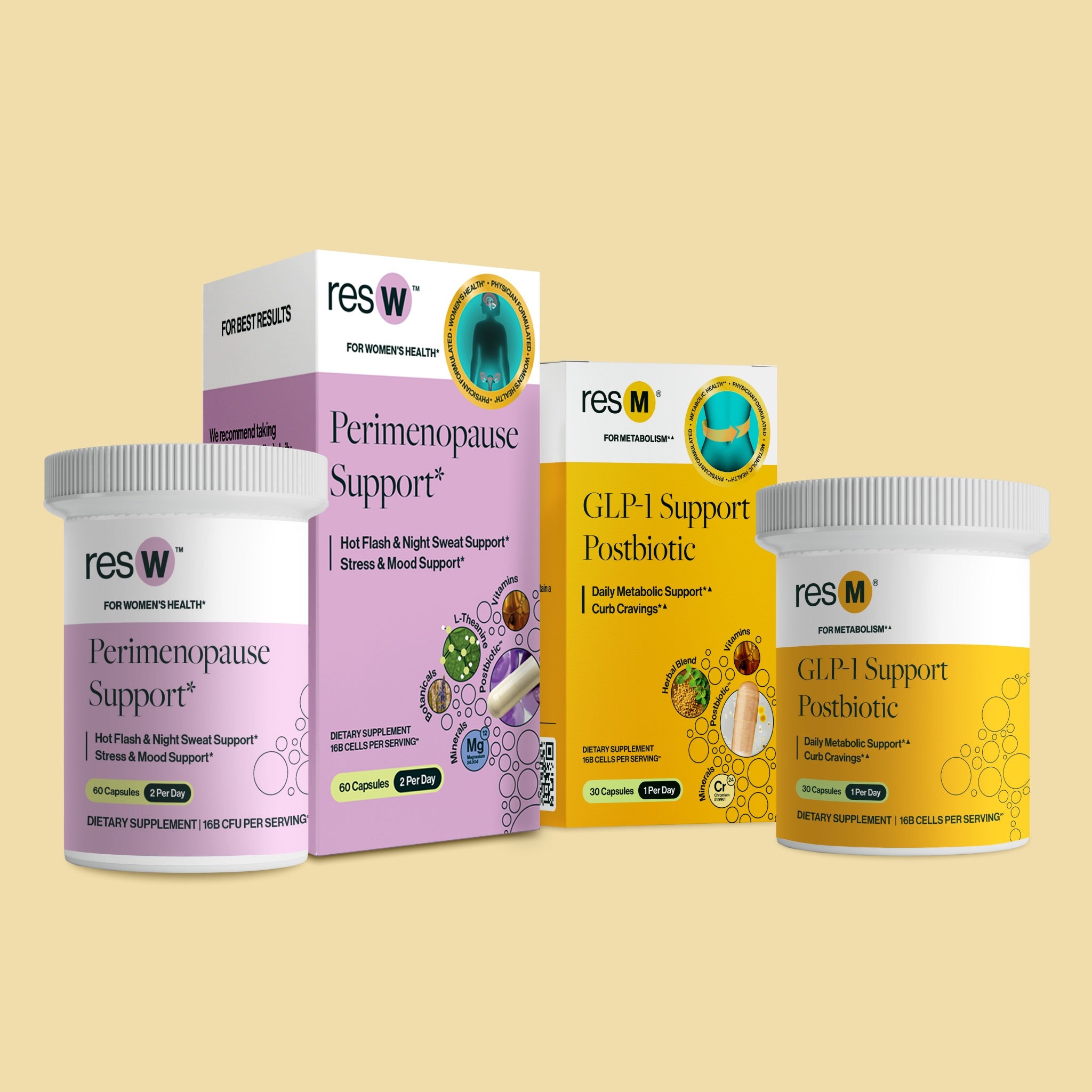
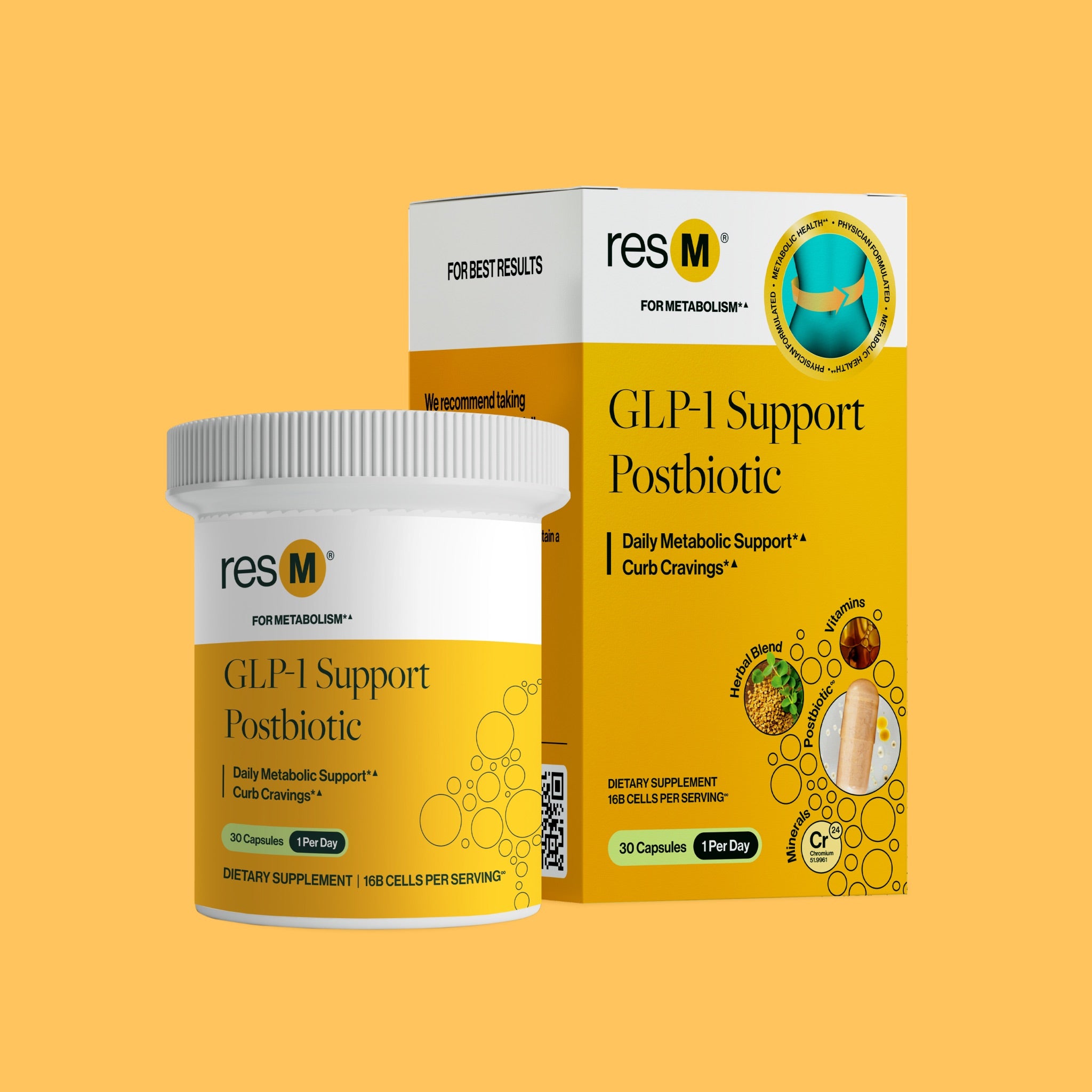
The good news is there are ways to increase your body’s own GLP-1 production. resbiotic’s resM is a physician-formulated, clinically studied postbiotic (heat-inactivated probiotic) shown to:
- 97.5% of participants taking resM lost weight during the 8-week study.*
- 52.5% of participants lost at least 5 lbs with resM*
- Participants taking resM reported a 29% average reduction in food cravings over 8 weeks.*8
resM has not just chromium and postbiotics but also fenugreek, white mulberry, and vitamins D3 and B12 to round it out. It’s endorsed by many independent clinicians, and backed by thousands of satisfied customers:
“This has helped me be more aware of when I’m actually hungry.” - Ethan
“This fits into my routine easily. I don’t have to think about it.” - Angela
“I used to feel hungry all the time. Now I don’t.” - Marcus
Easy Ways to Get Chromium For Weight Loss
resM is the best way to get a clinically effective dose of chromium (600 mcg) into your daily routine, along with additional support to help you manage your weight naturally.* But there are quite a few other ways to get more chromium in on a daily basis as well.5
- Broccoli - 11 mcg per half cup
- Grape juice - 8 mcg per cup
- Whole wheat bread - 2 mcg per 2 slices
- Garlic - 3 mcg per teaspoon
- Turkey breast - 2 mcg per 3 ounces.
That doesn’t sound like much when you realize chromium weight loss evidence supports a daily intake of at least 200 mcg.2 But that just goes to show what a difference resM can make in your day-to-day routine.
It’s also worth noting that chromium tends to absorb best when taken with food - some studies have suggested vitamin C can enhance uptake.1 We also want to be clear that consistency is more important than timing, as we see lots of questions on the best time to take chromium for weight loss. Getting your daily dose matters more.
Closing Thoughts on Chromium and Weight Loss
In closing, does chromium help with weight loss? Yes. Although it’s not a magic bullet, this mineral can help stabilize blood sugar and manage cravings.2,4 We believe it works best when paired with other forms of support, though.
You can learn more about effective supplements to balance hormones and lose weight and vitamins for gut health in our blog if you’d like. Otherwise, we encourage you to take a closer look at the science behind resM and order your first cycle risk-free today. You can also find resbiotic in select stores near you!
Frequently asked questions
Does chromium reduce belly fat?
There aren’t studies specifically showing chromium can erase belly fat. However, its effects on insulin sensitivity and cravings can help create the ideal conditions for belly fat loss to occur.2
How much chromium should I take daily to lose weight?
Clinical trials used 200-1,000 mcg daily, which is hard to consistently achieve through diet alone. That’s why resM is such a great addition to your routine. 1 capsule a day delivers 600 mcg.
What is the best chromium to take for weight loss?
Chromium picolinate - the most bioavailable form and the one used in most chromium weight loss clinical trials.3 It’s what we use here in resM.
Related Resources
Bydureon vs Ozempic | Foods That Support Akkermansia | Mounjaro vs Wegovy
References
- Vincent JB. "The biochemistry of chromium." J Nutr. 2000. PubMed
- Pittler MH, et al. "Chromium picolinate for reducing body weight: a meta-analysis." Int J Obes. 2003. PubMed
- Lukaski HC. "Chromium as a supplement." Annu Rev Nutr. 1999. PubMed
- Anton SD, et al. "Effects of chromium picolinate on food intake and satiety." Diabetes Technol Ther. 2008. PubMed
- National Institutes of Health. "Chromium: Fact Sheet for Health Professionals." NIH
- Balk EM, et al. "Effect of chromium supplementation on glucose metabolism and lipids." Diabetes Care. 2007. PubMed
- Holst JJ. "The physiology of glucagon-like peptide 1." Physiol Rev. 2007. PubMed
- Pala OSK, Nicola T, Madhvacharyula T, et al. An oral heat-inactivated postbiotic increases endogenous GLP-1 and promotes weight loss in adults with overweight or obesity: a randomized placebo-controlled trial. medRxiv. Preprint posted August 3, 2026. doi:10.64898/2026.07.23.26358809