






Written by Kara Siedman, RDN, CDCES
VP of Science and Partnerships at resbiotic®
When you choose a supplement, you want to feel confident that there is meaningful science behind it. But terms like “science-backed” and “clinically studied” can leave you with more questions than answers. What was studied? Was it one ingredient or the complete formula? And what do the findings actually tell us?
As a registered dietitian, I want to understand how the research connects to the product someone will take and the support they are looking for. That connection matters when I am educating healthcare providers, recommending products to clients, reviewing a formulation, or helping someone make sense of a supplement claim.
At resbiotic, it also shapes how we approach research and product formulation. Our research program includes laboratory studies and human clinical research on complete formulations, building evidence around the combinations of ingredients in our products.
“Clinically studied” means something was evaluated in people, but the phrase alone does not tell you whether researchers tested an individual ingredient or the complete supplement formula. Here is what I look for, why the distinctions matter, and how they inform our work at resbiotic.
What is a clinical study?
Clinical research involves people. A supplement clinical trial evaluates an intervention in participants, following a research plan that identifies who can take part, what they will take, how long the study will last, and what specific endpoints and outcomes are measured.1
Depending on its purpose, a study might assess tolerability and safety, a laboratory measurement, physical function, or how participants feel in daily life. These outcomes help us understand the product under the specific conditions tested.
Laboratory research plays a different role. An experiment using human-derived cells can investigate biological activity and potential mechanisms of action, which can be helpful prior to moving into human clinical studies. Because no one took the supplement as part of that experiment, this is known as preclinical research.2
Key takeaway: Clinical research involves people. Human-cell research is preclinical, even when the cells come from human tissue. They answer different questions: laboratory findings can inform biological understanding, while human studies evaluate outcomes in participants.
Why does supplement research matter?
You may be surprised to learn that the FDA does not approve dietary supplements for safety and effectiveness before they are sold. Companies are responsible for meeting applicable safety and labeling requirements.3 Health-related advertising claims must also have appropriate scientific support.4
This makes the details behind a claim especially valuable. Research helps us ask more useful questions about a formula, such as: What outcomes were measured? How was it tolerated? How closely do the participants and study conditions reflect the person considering it?
A study gives those questions a defined setting. Its findings apply to the preparation, dose, population, and duration investigated. That is why a study link should help you understand a claim, rather than simply sit beside it.
Key takeaway: Look for an explanation of what the research found and how it relates to the product you are considering.
Ingredient research and complete-formula research: Why the difference matters
Ingredient research is an important foundation for supplement development. It can help researchers select a specific probiotic strain, botanical extract, or nutrient and understand its potential role.
The caveat is that a supplement often contains several ingredients. Research on one component does not automatically tell us what the combined formula will do. Ingredient form, dose, and the rest of the formulation affect how directly that evidence applies.4
For example, studying one probiotic strain answers questions about that strain. Studying a preparation containing three strains and several botanical extracts answers questions about the combined preparation.
| Research approach | What researchers evaluate | What to look for |
|---|---|---|
| Ingredient research | A specific ingredient or defined preparation | Whether its identity, form, and dose match the product |
| Complete-formula research | The combined formulation | Whether the studied formula and serving match the product |
| Product-combination research | Two or more products used together | Whether the findings apply to the combination or can distinguish each product’s contribution |
At resbiotic, studying the complete formulation helps connect the science to the product, allowing us to evaluate its effects in relevant laboratory models or study populations and explore how the combined ingredients perform, vs solely relying on just an ingredient alone.
Key takeaway: Ingredient studies help inform a formula. Complete-formula studies investigate the combination being tested. Either can take place in the laboratory or in people. Ingredient only research does not imply synergy or compatibility.
What do different types of research tell us?
When I read a study, I start with the question it was designed to answer. Different methods contribute different information, and some labels describe separate features of the same study.
Randomized controlled trials: Evaluating outcomes against a comparison
A randomized controlled trial, or RCT, assigns participants to groups by chance. In a placebo-controlled supplement trial, researchers compare the formulation with a product designed to resemble it without the active formulation. In a double-blind trial, participants and the relevant study personnel do not know who receives the formulation and who receives the placebo.1,5 These features help reduce bias and distinguish the intervention’s effects from other influences.
Open-label studies: Gathering early human findings
In an open-label study, participants and researchers know what intervention is being used. Researchers can collect clinical measurements, questionnaires, and tolerability information. An uncontrolled study can identify changes worth investigating further.5
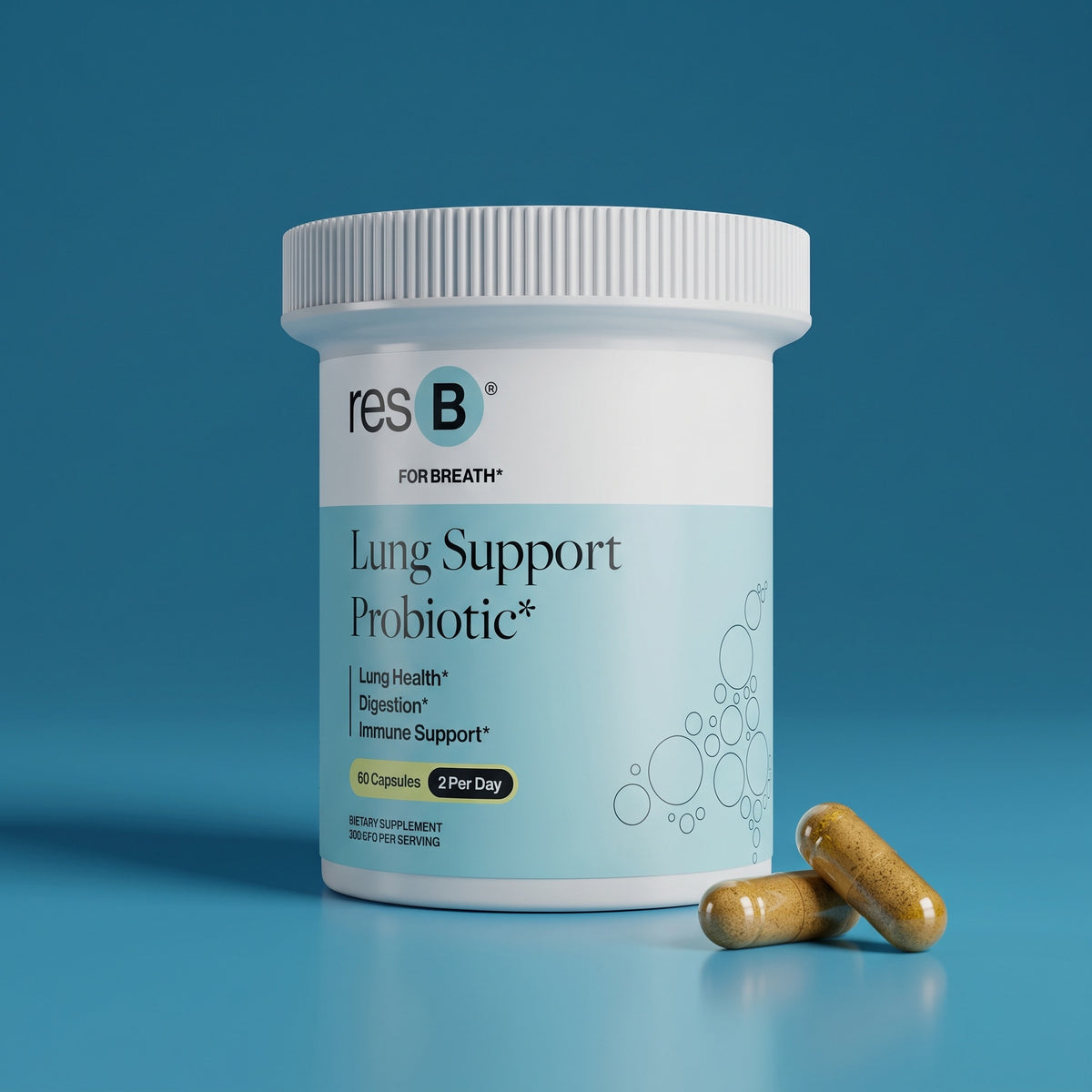
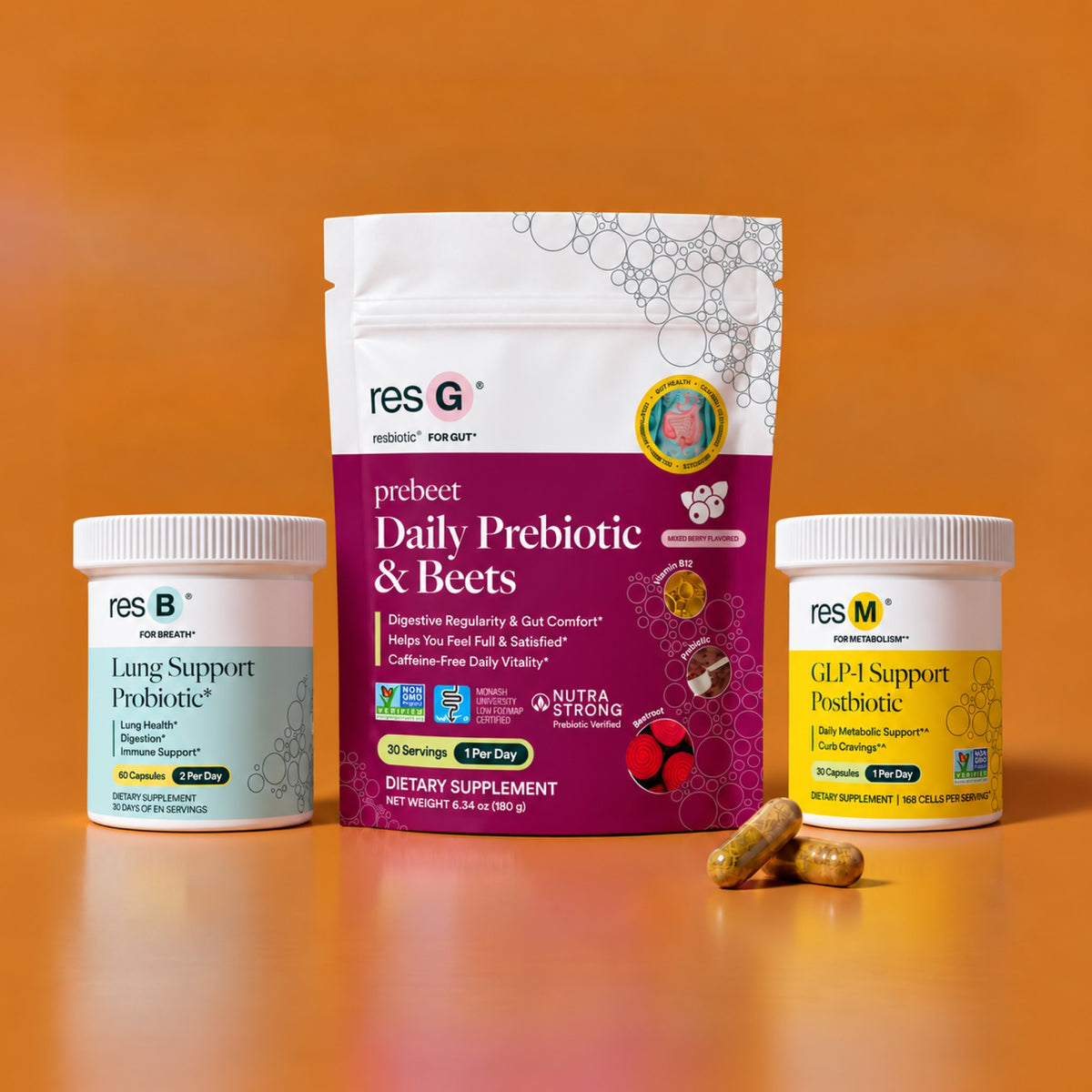
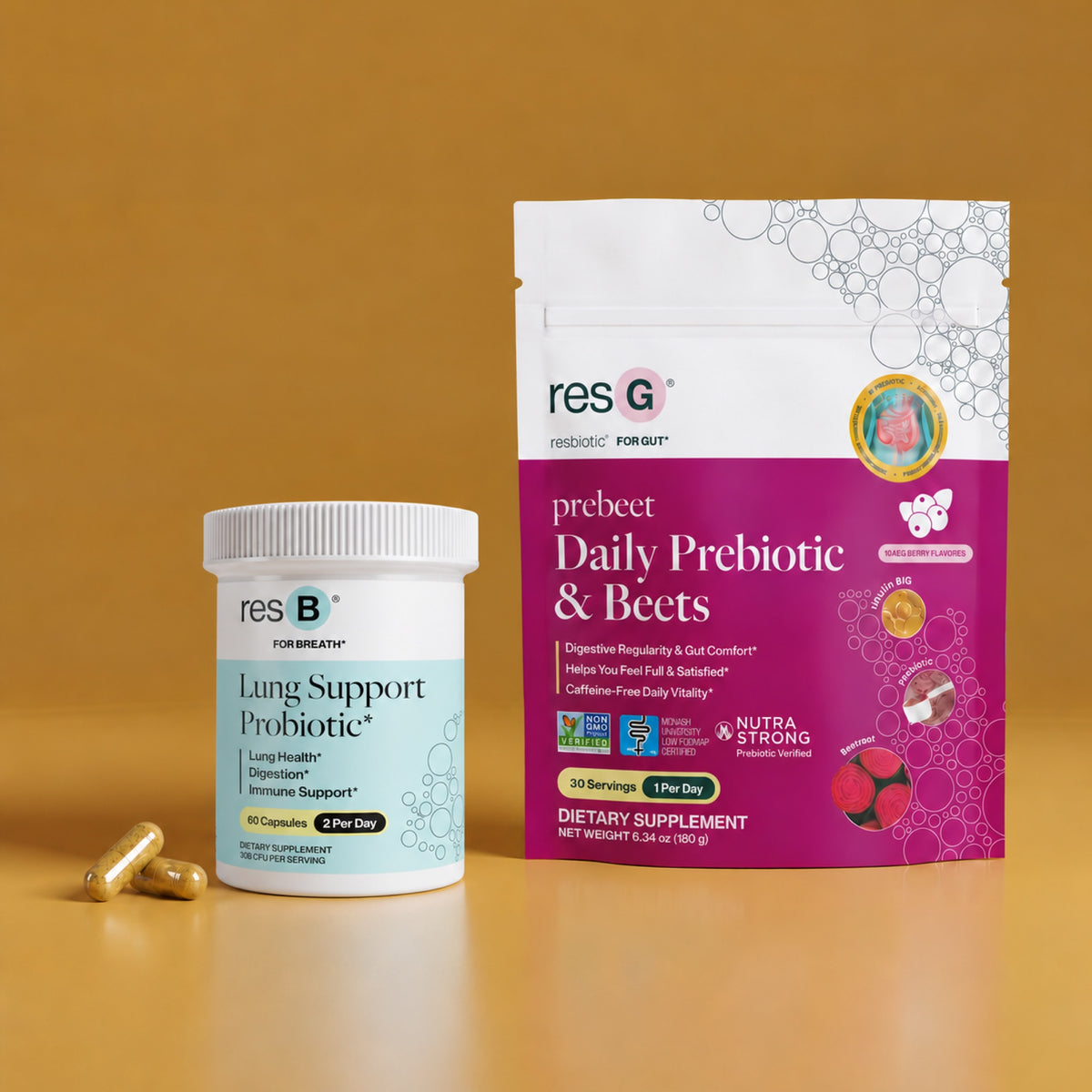
resbiotic’s four-week resB Lung Support Probiotic pilot is one example. It evaluated the combined probiotic and herbal formula in 22 adults and assessed safety alongside exploratory respiratory, microbiome, and metabolite outcomes.6
Real-world evidence and consumer surveys: Understanding experience in everyday use
Real-world evidence is generated by analyzing health data collected in routine settings, including health records and registries.7 Consumer surveys can help us understand satisfaction, ease of use, and perceived changes when taking a specific formulation. They should be identified as participant feedback, with enough detail to understand who responded and what they were asked.4
Preclinical research: Exploring biological pathways
Preclinical research uses laboratory or animal models to investigate biological activity and potential mechanisms of action, and to develop questions for human studies. Researchers might examine a cellular response, microbial activity, or a pathway related to the formulation’s intended purpose.
This is also an opportunity to investigate a complete formulation. For example, resbiotic’s published preclinical resB Lung Support Probiotic research evaluated probiotic and herbal components in cellular experiments and the combined preparation in an animal model.8 Those findings help develop the scientific rationale.
Key takeaway: Two questions belong together: What was tested, and how was it tested? A complete-formula laboratory study and a complete-formula RCT provide different kinds of evidence. Both contribute to understanding a finished formulation vs just research done on a specific ingredient.
How we put this into practice at resbiotic
Our research approach goes beyond selecting ingredients with existing literature. We prioritize different types of research on our finished formulations.
resB Lung Support Probiotic: Connecting laboratory investigation with human research
Let’s take resB Lung Support Probiotic and walk through the available research.
- Preclinical research: A paper in Microorganisms investigated probiotic and herbal components in cellular models and the combined preparation in an animal model of lung inflammation.8
- An open-label human pilot: A four-week study in Frontiers in Nutrition evaluated the formula in 22 adults. Safety was the primary objective; other measures explored quality of life changes and specific respiratory outcomes.6
- A randomized human trial: A 12-week, double-blind, placebo-controlled study in Pulmonary Therapy evaluated resB against placebo in adults, measuring respiratory-related quality of life, tolerability, biomarkers, and microbiome outcomes.9
Together, these studies show how formulation research can address biological questions, early human observations, and controlled clinical investigation.
The resbiotic approach: Investigate complete formulations, connect each research question to the intended area of support, and clearly explain what each type of evidence can tell us.
What I want you to feel confident asking
You do not need to be a scientist to ask meaningful questions about supplement research:
- Was the ingredient, complete formula, or a combination of products studied?
- Did the research involve people or laboratory models?
- Was there a comparison group, and how long did the study last?
- What was measured, and what actually changed?
- Can I find the source and understand how it supports the formulation’s claim?
In my work, these questions help turn research into practical conversations. They help healthcare providers evaluate a recommendation and consumers understand what they are choosing.
That is the connection we are working to strengthen at resbiotic: research that investigates our formulations and education that helps you understand the evidence behind them.
Explore resbiotic’s science and research references.
References
- National Institutes of Health. NIH Clinical Research Trials and You: The Basics.
- National Center for Advancing Translational Sciences. Preclinical Studies.
- U.S. Food and Drug Administration. FDA 101: Dietary Supplements.
- Federal Trade Commission. Health Products Compliance Guidance.
- Kim S. Overview of clinical study designs. Clinical and Experimental Emergency Medicine. 2024;11(1):33–42. Published online June 2, 2023.
- Wenger NM, Qiao L, Nicola T, et al. Clinical trial of a probiotic and herbal supplement for lung health. Frontiers in Nutrition. 2023;10:1168582.
- U.S. Food and Drug Administration. Real-World Evidence. Used for methodological definitions, without implying FDA approval of supplements.
- Wenger NM, Qiao L, Nicola T, et al. Efficacy of a Probiotic and Herbal Supplement in Models of Lung Inflammation. Microorganisms. 2022;10(11):2136.
- Nicola T, Wenger NM, Siedman K, et al. Double-Blind Randomized Placebo-Controlled Trial of a Lactobacillus Probiotic Blend in Chronic Obstructive Pulmonary Disease. Pulmonary Therapy. 2026;12:251–263. Published online November 18, 2025.
About the author: Kara is the VP of Science and Partnerships at resbiotic. A Registered Dietitian Nutritionist and Certified Diabetes Care and Education Specialist, she brings a decade of clinical experience to every piece of content she writes. Her specialty is translational nutrition: turning peer-reviewed microbiome research into practical guidance people can actually use. Before joining resbiotic, she worked directly with patients managing respiratory, metabolic, and hormonal conditions, giving her firsthand understanding of the challenges these products are built to address.
This article is for educational purposes and does not replace individualized medical advice. Dietary supplements are not intended to diagnose, treat, cure, or prevent any disease.