










Conversations about fenugreek for weight loss have been going back centuries in Ayurvedic and traditional medicine. However, clinical research on this intriguing little seed is just starting to catch up with what history has always shown.
Fenugreek is loaded with soluble fiber and a unique amino acid called 4-hydroxyisoleucine. Both of these components can influence appetite and blood sugar regulation, which is where the link between fenugreek and weight loss comes into play.1
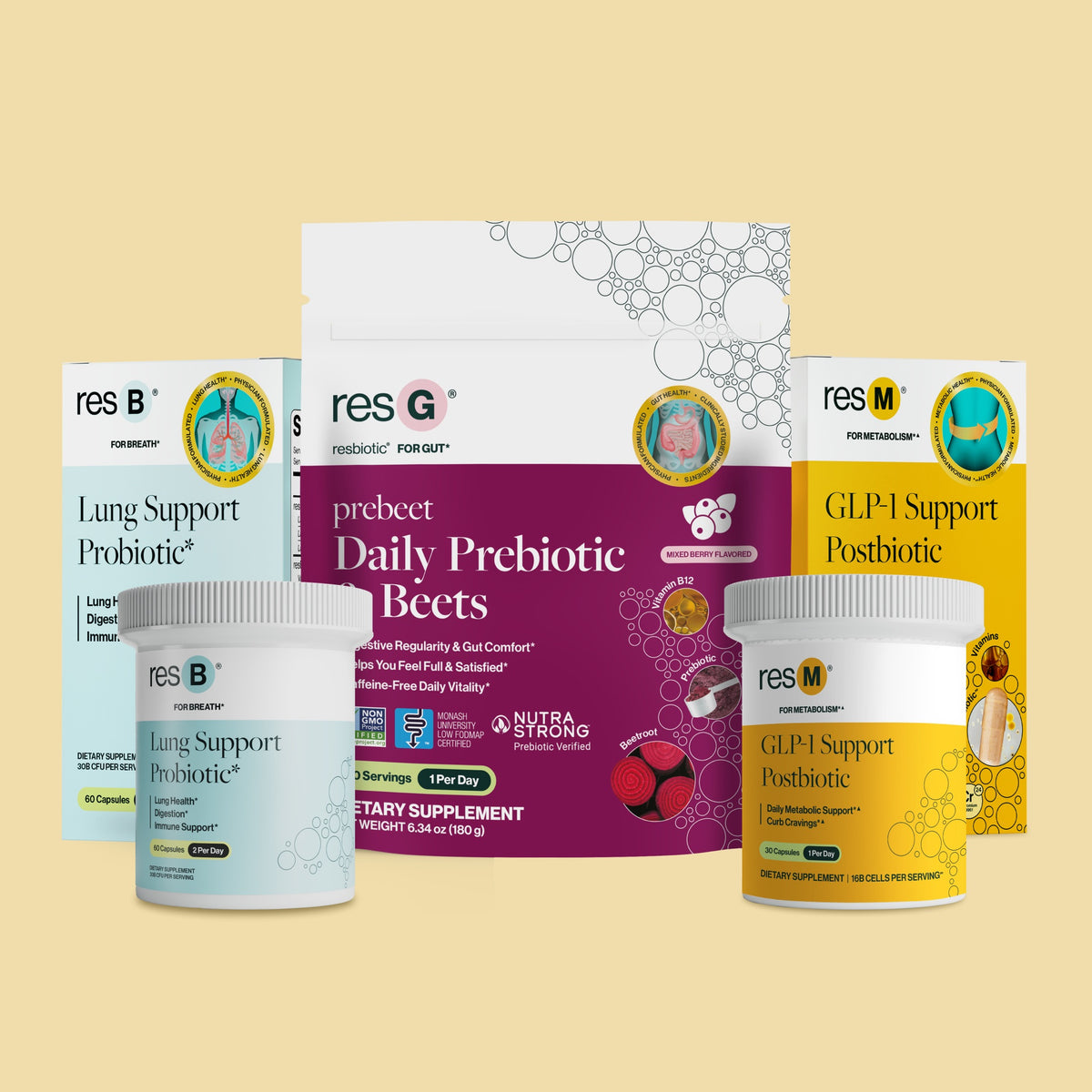
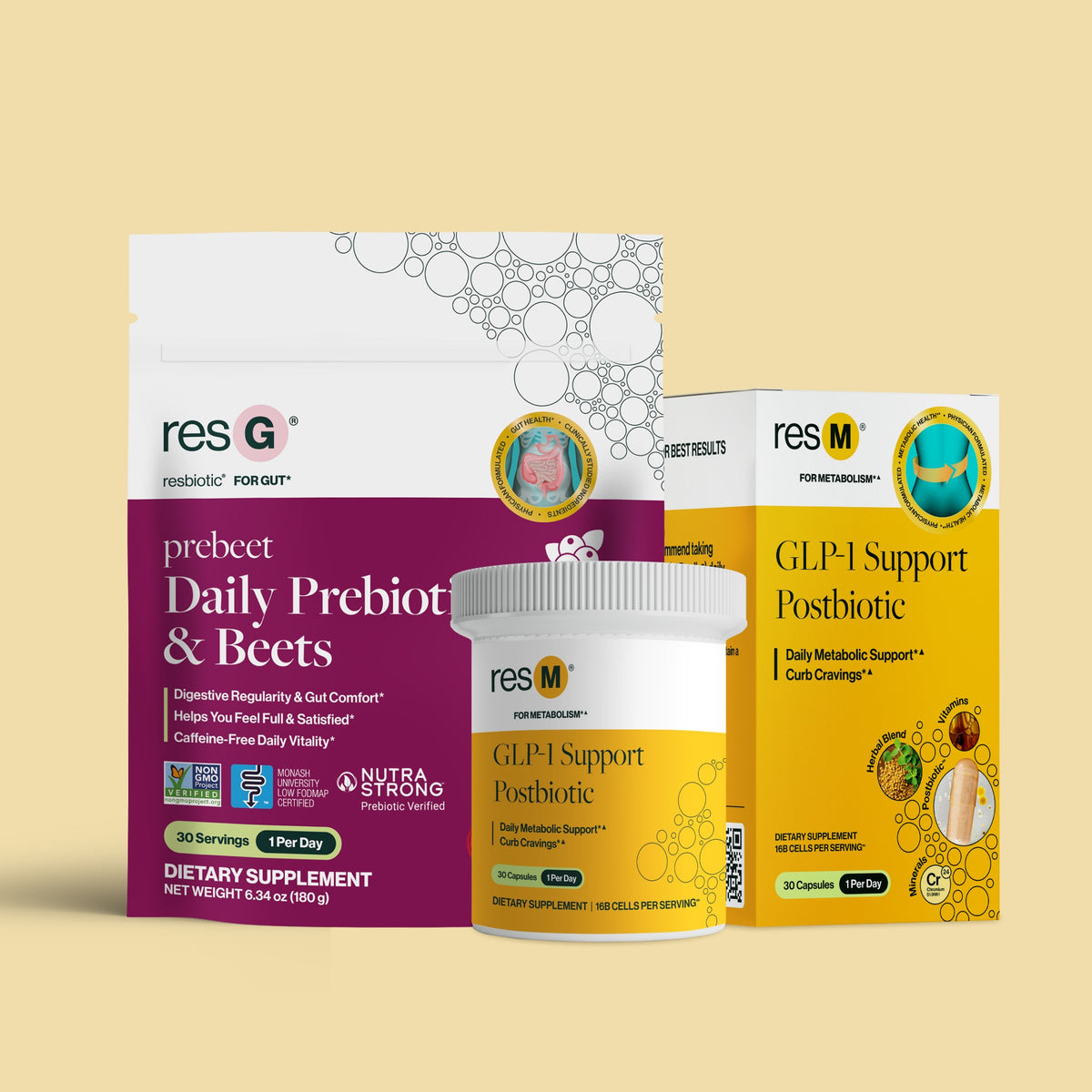
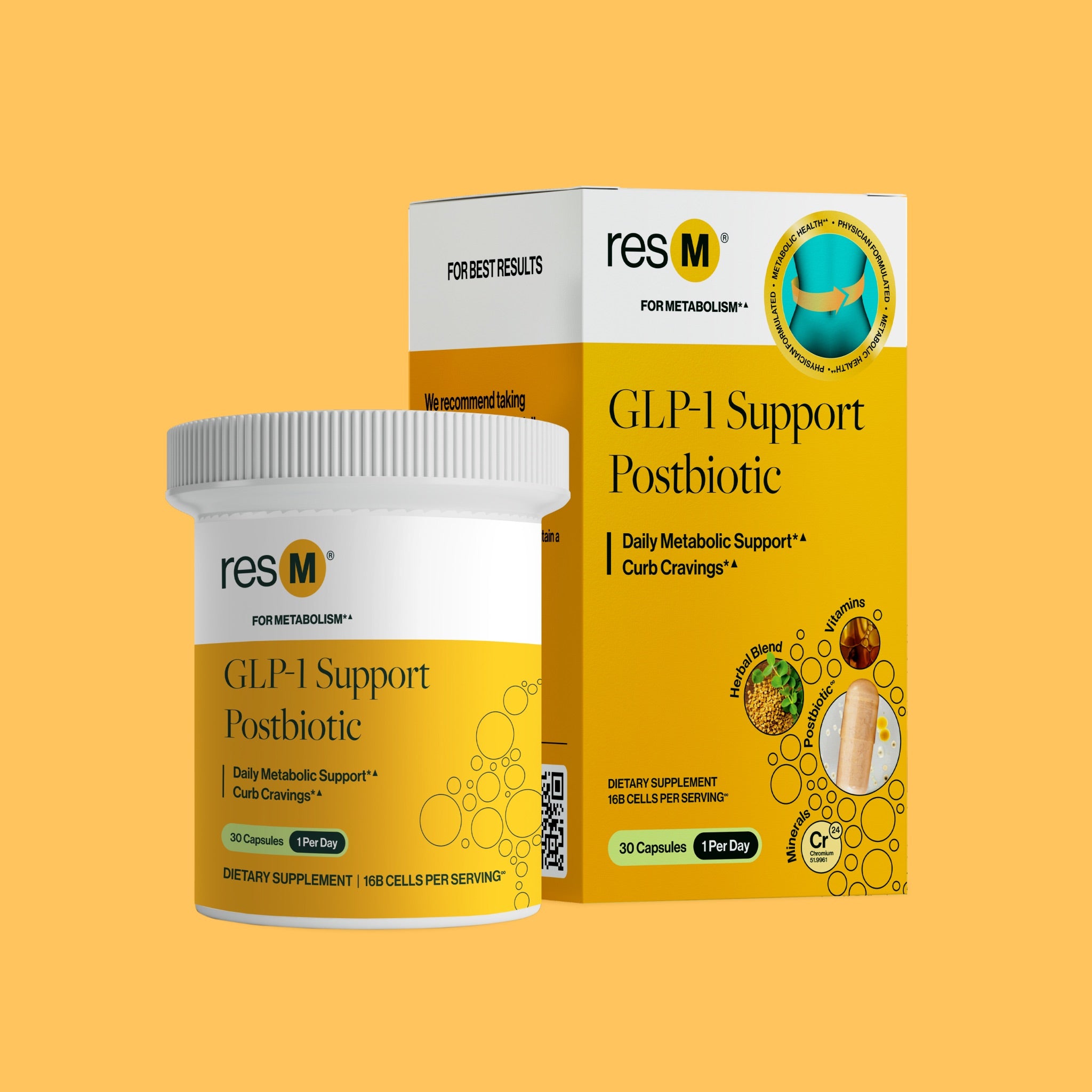
That being said, the real question is whether these connections can lead to measurable fenugreek benefits for weight loss - and if so, how can you bolster those benefits? We’ll dig into the data below and show you why resbiotic’s resM GLP-1 Support Postbiotic is the #1 way to bring fenugreek into your daily routine.*
Key Takeaways
- Fenugreek’s galactomannan fiber content can slow digestion and make you feel full.1
- There are clinical trials on fenugreek and weight loss showing it may work by lowering calorie intake and improving blood sugar control.2,3
- Fenugreek is one of the only ways to get an amino acid called 4-hydroxyisoleucine, which can enhance insulin secretion.4
- resbiotic’s resM pairs fenugreek with postbiotics, chromium, white mulberry, and vitamins D3 and B12.
- 97.5% of participants taking resM lost weight during the 8-week study.6
Overview of Fenugreek
Fenugreek (Trigonella foenum-graecum) comes from southern Europe and western Asia. The seeds of this annual herb have long been used across the Middle East, India, and North Africa.1 They are around 45-50% dietary fiber by weight, mostly made up of galactomannan.
Galactomannan is intriguing because of what happens when it hits the stomach - it forms this sort of viscous gel that slows down gastric emptying and delays carb & fat absorption.
But beyond its fiber content, fenugreek seeds also have saponins (particularly diosgenin), flavonoids, and the amino acid 4-hydroxyisoleucine. There are almost no other ways to get 4-hydroxyisoleucine, which could stimulate insulin secretion from pancreatic beta cells.4
Does Fenugreek Help With Weight Loss?
There are clear connections, but does fenugreek help with weight loss according to real evidence? Yes, with a few key caveats.
One study in Phytotherapy Research found that consuming 8 grams of fenugreek fiber every day led to increased satiety (feelings of fullness), which in turn lowered caloric intake among obese individuals.2 Participants weren’t even told to try and eat less - they just weren’t as hungry.
We found a separate trial in the European Journal of Clinical Pharmacology. Researchers found that fenugreek seed extract selectively reduced spontaneous fat consumption in healthy overweight volunteers.3 This was specific to dietary fat - not protein or carbs.
Supplementing with fenugreek can lower fasting blood glucose and improve overall glycemic control according to a meta-analysis of randomized controlled trials.5 That’s important because blood sugar stability translates to fewer insulin spikes, less fat storage, and fewer rebound cravings after eating carb-heavy meals.
Potential Side Effects of Fenugreek For Weight Loss
Fenugreek is generally well-tolerated, but there are a few side effects we see reported on the gastrointestinal front:
- Bloating
- Gas
- Loose stools
These are most common in the first week or so, and they tend to get better as the body adjusts to the extra soluble fiber.
Anyone on diabetes medication should talk to a healthcare provider before supplementing, though, because it can lower blood sugar.5 The seed can also interact with blood-thinning medications because of its coumarin content.1 Some OB/GYNs may recommend avoiding fenugreek supplements, as the plant has been associated with uterine stimulation.
How to Use Fenugreek For Weight Loss
There are a few ways you can add fenugreek to your routine. Whole seeds, ground powder, capsules, and even liquid extracts are all available. Capsules are often preferred, because you get consistent amounts of the stuff that actually matters (galactomannan, saponin, and 4-hydroxyisoleucine).
Most clinical studies used between 500 mg and 2 grams of seed extract every day.2,3 resbiotic’s resM GLP-1 Support Postbiotic thas 200mg of fenugreek, which sounds like it’s not enough - but that’s because fenugreek is just one piece of the formula. resbiotic’s resM also has:
- Postbiotic (L. plantarum RSB11 HI)
- Chromium
- White mulberry
- Vitamin D3
- Vitamin B12
The physician-formulated supplement is backed by human clinical trial, showing 97.5% of participants lost weight during the 8-week study.6
How you use fenugreek for weight loss matters as well. Some people say you should take it before eating, because the soluble fiber needs time to expand in the stomach and help quell your appetite to avoid overeating.1
The other way we see people use fenugreek is by soaking the seeds in water overnight and then drinking the water in the morning - but there’s no real evidence supporting this method. Supplements bring you a level of consistency that other approaches just can’t match.
Final Words on Fenugreek and Weight Loss
So, does fenugreek help with weight loss? According to the available research, its fiber conent and insulin management makes it a compelling addition to your weight management regimen.2,5 You can bring it into your routine alongside other targeted ingredients that are in resbiotic’s resM GLP-1 Support Postbiotic.
Learn more about the science behind resM over on the resbiotic website, or find the supplement in stores near you such as Walmart, Walgreens, and H-E-B!
Frequently asked questions
Can fenugreek reduce belly fat?
There are no clinical studies showing fenugreek can target belly fat in particular, but its connections to weight management as a whole may help you shed unwanted weight over the entire body - belly included.5
How to use fenugreek for weight loss?
resbiotic’s resM pairs fenugreek with other clinically studied ingredients for weight management, including postbiotics, white mulberry, chromium, and the most well-documented vitamins for gut health.*
What’s the best time to consume fenugreek?
Timing is less relevant than consistency. That being said, many suggest consuming fenugreek before meals can help you reach satiety faster so you don’t overeat.1
Related Resources
Natural Alternatives to Semaglutide | Bydureon vs Ozempic | Foods For Akkermansia
References
- Basch E, et al. "Therapeutic applications of fenugreek." Altern Med Rev. 2003. PubMed
- Mathern JR, et al. "Effect of fenugreek fiber on satiety, blood glucose and insulin response and energy intake in obese subjects." Phytother Res. 2009. PubMed
- Chevassus H, et al. "A fenugreek seed extract selectively reduces spontaneous fat consumption in healthy volunteers." Eur J Clin Pharmacol. 2009. PubMed
- Sauvaire Y, et al. "4-Hydroxyisoleucine: a novel amino acid potentiator of insulin secretion." Diabetes. 1998. PubMed
- Neelakantan N, et al. "Effect of fenugreek on glycemic control in diabetes: a systematic review." Nutr J. 2014. PubMed
- Pala OSK, Nicola T, Madhvacharyula T, et al. An oral heat-inactivated postbiotic increases endogenous GLP-1 and promotes weight loss in adults with overweight or obesity: a randomized placebo-controlled trial. medRxiv. Preprint posted August 3, 2026. doi:10.64898/2026.07.23.26358809