









— Lola Marks, Senior Editor at Body+Mind
Health and fitness require a holistic approach to the human body, especially concerning the gut-lung axis. The gut and lungs are connected through a two-way communication system known as the gut-lung axis. Changes in one can influence how the other functions, in part through the immune system and the gut microbiome. An impact on one part influences the other. While people often think of digestion and breathing as separate functions, environmental factors can affect both systems and the way they communicate.
What Are the Most Common Environmental Stressors?
Common environmental stressors include fine particulate matter, chemical gases and extreme temperatures. Most pollutants enter the body through the airways during everyday activities, like daily commutes and workouts. Once inhaled, they move beyond the lungs.
Particles and gases can trigger inflammatory responses throughout the body. Knowing the most prevalent stressors can help people minimize exposure.
Fine Particulate Matter
When people walk near busy roadways or exercise in dusty outdoor areas, they inhale fine particulate matter deep into their lung tissues. These pollutants measure less than 2.5 micrometers in diameter, which allows them to bypass the body’s respiratory defense mechanisms.
Persistent exposure can trigger oxidative stress, which triggers inflammation along the path from the lungs to the digestive system. It can also affect blood metabolism and cellular balance. Over time, exposure to these tiny particles may contribute to changes in the gut microbiome and affect how the body responds to environmental stress.
Consider a cyclist training outdoors despite smog advisories. For a cyclist training in poor air quality, breathing in more of these fine particles may contribute to digestive discomfort or fatigue in some people.
Chemical Gases
Chemical gases pollute both outdoor urban environments and seemingly healthy indoor spaces. Nitrogen dioxide from traffic exhaust can irritate the respiratory tract. Lingering fumes from frequently used cleaning supplies in homes can have a similar effect.
Like particulate matter, exposure to volatile organic compounds (VOCs) can disrupt the gut-lung axis by triggering systemic oxidative stress, which can alter cell signaling and cause dysregulation. Research suggests that exercising in polluted air may put additional stress on the lungs’ protective barrier, especially during intense activity when breathing rate increases. To maintain cardiorespiratory health, studies suggest avoiding air pollution sources like traffic and smog whenever possible. For fitness enthusiasts, smart strategies can include choosing well-ventilated gyms or running in parks far away from traffic and vehicle emissions.
Extreme Temperatures
Freezing temperatures introduce harsh, drier air into the respiratory tract. The lack of moisture can strip airways of protective mucus and trigger acute inflammatory responses. Cold, dry air can be especially irritating for people with sensitive airways or chronic respiratory conditions, sometimes contributing to coughing, wheezing or shortness of breath.
Even for generally healthy people, this acute airway irritation can initiate a systemic stress response that ripples down the gut-lung axis. It can alter normal digestive function. A runner preparing for a winter marathon may experience a dry, burning sensation in the chest during a run. This kind of airway irritation may also activate an immune response and add to inflammation in the body.
How Does Environmental Stress Trigger Gut Dysbiosis?
One of the most direct pathways is when people inhale airborne pollutants. The respiratory system traps the particles in mucus, which is frequently coughed up and swallowed, transporting environmental toxins into the digestive tract.
Even when particles are not swallowed, irritation in the lungs may send inflammatory signals through the body that can also affect the gut. The lungs release inflammatory mediators into the bloodstream, which act as distress signals that travel directly to the sensitive cells lining the digestive tract. The gut–lung axis’s self-circulation creates a bidirectional cycle of inflammation.
These inflammatory signals and environmental pollutants may affect the gut lining and the balance of bacteria in the microbiome. They can also alter the pH balance of the microbiome, which may suppress beneficial microbes and allow harmful bacteria to bloom, causing a condition known as gut dysbiosis.
An active adult might spend a weekend hiking in an area with high wildfire smoke. Days later, they could experience unexplained bloating, sluggish digestion or fatigue. In this case, one possible contributor could be the body’s response to the smoke they inhaled and the way that response affects the gut.
How Can People Protect the Gut-Lung Axis and Boost Performance?
While environmental stressors are difficult to avoid completely, fitness enthusiasts can take practical steps to reduce exposure and support their overall health. The key is to consider when and where they train.
Some biohacking habits worth building:
- Monitor air quality: Checking the air quality index on weather apps before outdoor workouts is important as people can opt to exercise indoors when pollution levels are high.
- Assess training locations: Avoiding busy roads and exercising in heavily wooded parks helps reduce exposure to heavy traffic exhaust and chemical gases.
- Invest in indoor filtration: Using a high-efficiency air purifier at home and choosing well-ventilated gyms can help reduce exposure to airborne particles during indoor training and recovery.
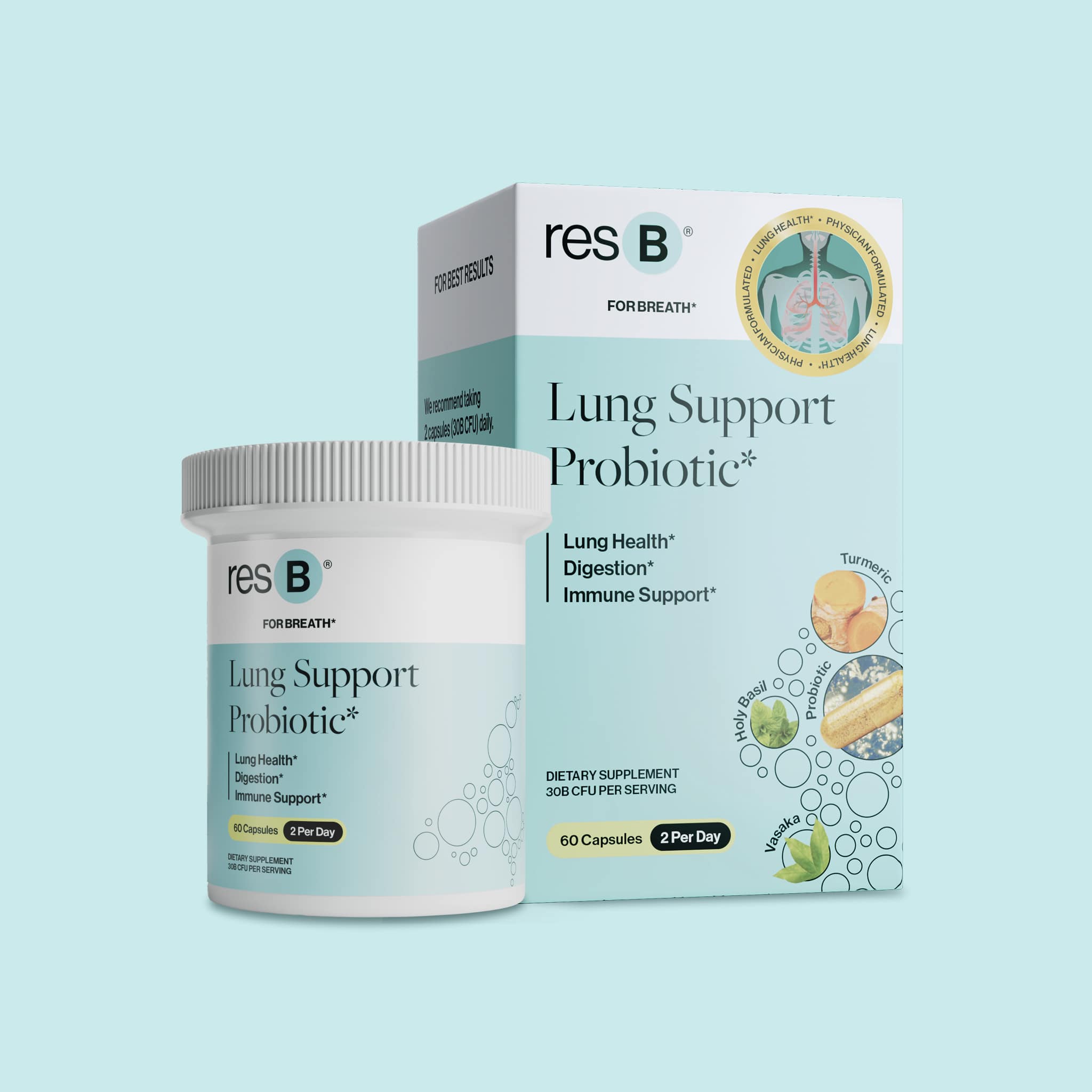
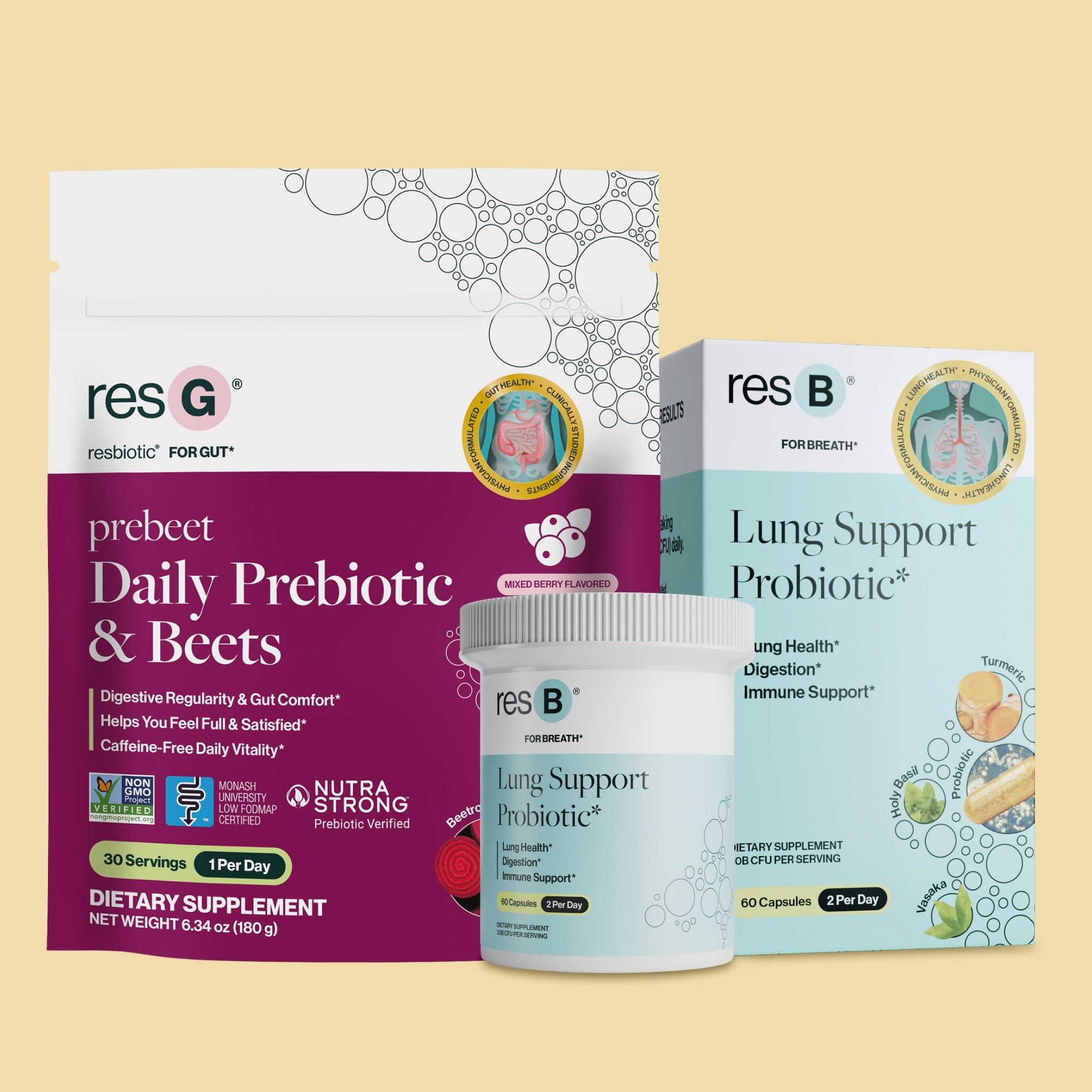
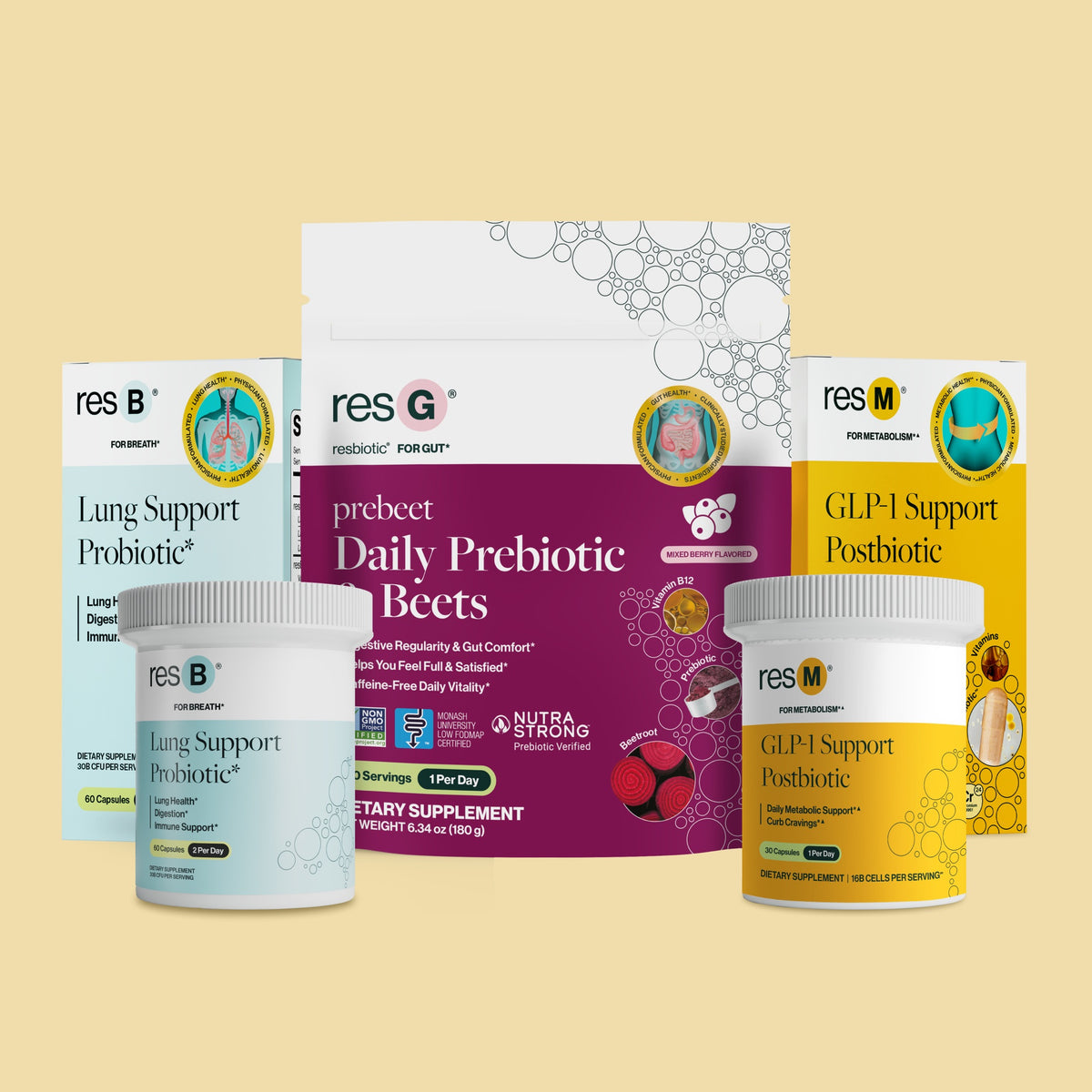
- Try a targeted Lung Support Probiotic. resbiotic’s resB® Lung Support Probiotic is a clinically studied formula designed to support respiratory wellness, breathing comfort, and the Gut–Lung Axis.*¹ It combines three targeted probiotic strains with vasaka leaf, holy basil, and turmeric for comprehensive respiratory support.*¹
Consuming the right nutrients can also help beneficial bacteria survive pollution-caused imbalances. Some research suggests that supporting the gut microbiome through diet may also help the body stay more resilient during periods of environmental stress. Prebiotic-rich foods like garlic, onions and asparagus can help nourish beneficial gut bacteria and support a healthy microbiome. Yogurt, kefir and other sources of probiotics are also great diet additions for gut health.
Frequently Asked Questions
Here are other common questions about protecting the gut-lung axis.
Can poor air quality cause digestive issues?
Yes, inhaled pollutants can eventually reach the digestive tract. Particles can either be swallowed via mucus or trigger localized lung inflammation that sends distress signals through the bloodstream. This disrupts the gut microbiome’s balance.
Does exercise increase exposure to environmental stressors?
Cardiovascular exercises increase a person’s breathing rate and volume, which can raise exposure. Deeper and more frequent breaths pull a higher volume of airborne pollutants into the lungs compared to relaxed breathing.
Can diet help protect the gut-lung axis?
Yes, a diet designed for gut health can improve the system’s defense mechanism. Eating a variety of prebiotic- and probiotic-rich foods may help support beneficial gut bacteria and a healthy intestinal barrier.This helps the body manage and recover from the oxidative stress that external pollutants cause.
Optimize Health Against Environmental Stressors
The human body is made of interconnected systems. Because the gut and lungs are connected, exposure to environmental pollutants may also influence digestive health. By understanding how stressors disrupt the gut-lung axis, active adults can make informed decisions about their fitness routines and nutritional habits. Proactive adjustments, like monitoring daily air quality and fueling with targeted biotics, can help people protect their respiratory health and maintain a resilient gut.
*These statements have not been evaluated by the Food and Drug Administration. This product is not intended to diagnose, treat, cure, or prevent any disease. ¹Results observed in a 12-week randomized, double-blind, placebo-controlled human clinical study of resB® Lung Support Probiotic. Individual results may vary.