






Roughly 80 million Americans spend weeks fighting their own immune system every spring. Sneezing, congested, eyes streaming, coughing through the night. It’s exhausting.
You already know pollen is the problem. The question is how to deal with spring allergies so they stop running your life from March through June. Before you reach for a Zyrtec, know that you can address the real issue (immune system overreaction) rather than simply masking the symptoms.
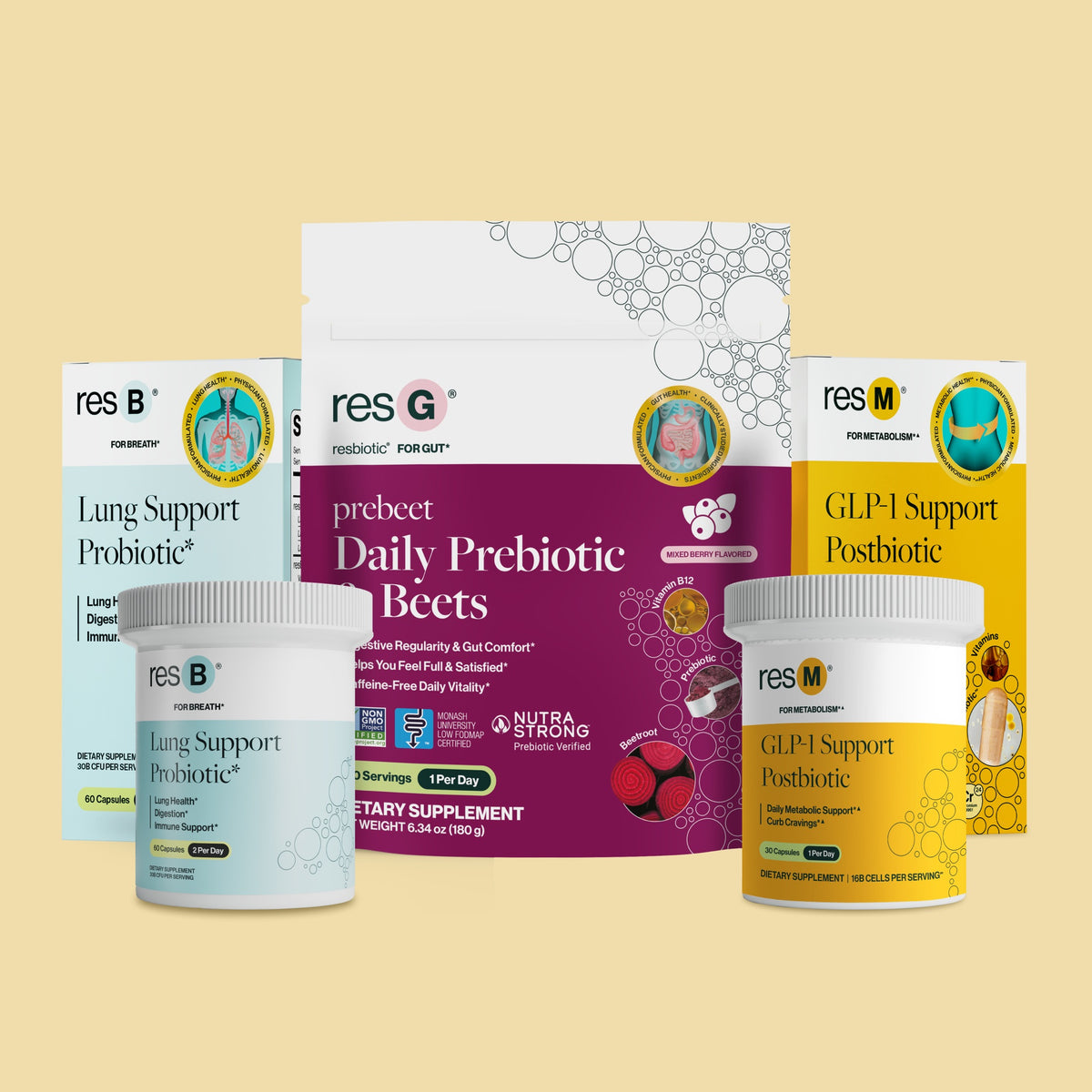
Real relief comes from cutting your exposure, calming the immune response, and building your body's resilience with the right support. resB lung support supplement was designed for exactly this.* Learn more about what it can do for you below!
Why Allergies Flare Up in the Spring
Trees start releasing pollen as early as February in warmer climates. Grass pollen follows in late spring. Your immune system sees these harmless particles as threats, even though they’re not. Nevertheless, histamine production ramps up. That’s the chemical behind most of your symptoms.
Histamine dilates blood vessels in your sinuses, irritates nerve endings, and increases mucus production in your airways. The result is that familiar wall of congestion, watery eyes, scratchy throat, and a spring allergies cough that won't quit.
Pollen counts peak on warm, windy, dry days. They tend to be highest in the morning. Rain clears the air for a bit, but a dry spell after rain can send counts surging right back.
Common Symptoms of Spring Allergies
Most people know the obvious ones:
- Sneezing
- Runny nose
- Itchy eyes
But spring allergies can also show up in other ways. Nasal congestion from swollen sinus tissue triggers headaches and facial pressure. Post-nasal drip deposits mucus in your airways and triggers a persistent cough from spring allergies that leaves you wondering, why do I keep coughing?
Fatigue hits hard, too - partly from disrupted sleep, partly because your immune system is burning energy on a threat that doesn't exist. The good news, though, is you have more control over these symptoms than you may have realized in the past. Let’s show you how to deal with spring allergies.
How to Deal With Spring Allergies
Knowing how to deal with allergies in spring means attacking from multiple angles. No single approach handles everything. The best results come from stacking several strategies.
First, Try to Limit Allergen Exposure
Learning how to deal with spring allergies starts with reducing what your body is reacting to. You can't eliminate pollen, but you can control how much of it reaches your body.
Check your local pollen forecast every single day. Most weather apps include it now. Keep windows shut and run your AC on recirculate on high-count days.
Shower and change clothes when you come inside, especially after yard work or exercise. Wash bedding weekly in hot water. Replace HVAC filters every 1-3 months with a MERV 11 or higher rating. Do the same with your car’s filter.
If you have pets that go outside, wipe them down before they get on furniture - they bring pollen back into your home on their fur. A HEPA air purifier in the bedroom makes a big difference overnight, too.
Take spring cleaning to a whole new level. Sweep and dust hard surfaces, vacuum rugs and carpet. The more often you clean, the less pollen you’ll be subjected to in your home.
None of this cures allergies, but it cuts the pollen load your immune system has to fight, and that makes every other strategy on this list work better. Then, it’s time to narrow the focus to the immune response that’s causing symptoms in the first place.
Build Resiliency Through the Gut-Immune Axis
About 70% of your immune system lives in your gut. The signals it sends dictate how your body responds to allergens. A balanced gut microbiome keeps immune responses proportionate. Defenses stay sharp without overreacting to harmless stuff like pollen. Your immune system goes overboard when it's off, though. That’s the whole problem behind allergic reactions.
Everything from constant sneezing to a persistent cough traces back to that same overreaction - your body flooding airways with irritation that doesn't need to be there. Supporting the Gut-Immune Axis is one of the most overlooked approaches to dealing with spring allergies from the inside out.
So, how do you do it? Start by eating prebiotic-rich foods (fruits, vegetables, whole grains) - these feed the good bacteria in your gut that keep everything working in harmony. You can also eat fermented foods like yogurt and kimchi to support a healthy gut environment.
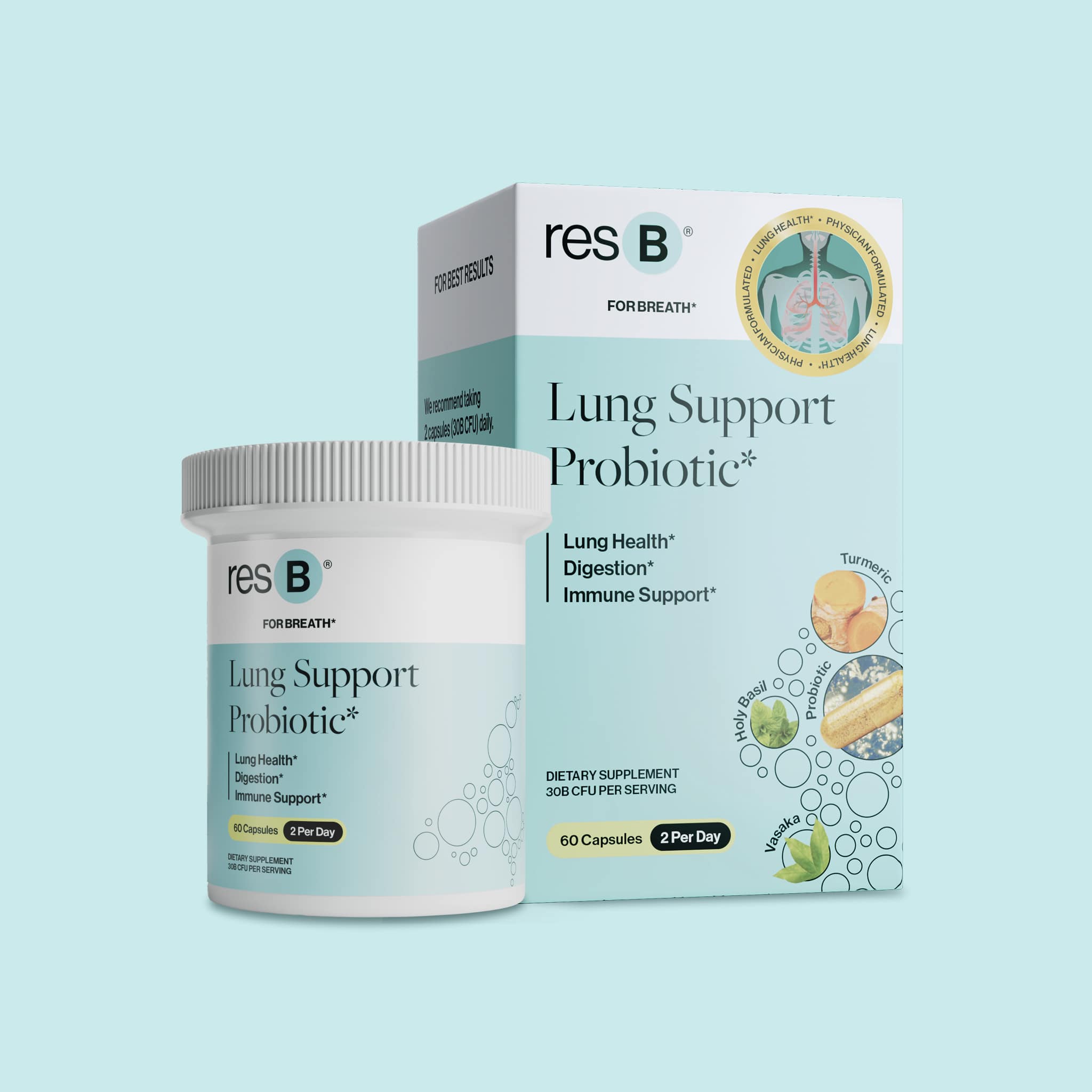
There’s a better way, though. Research on probiotics for allergies shows that three specific strains can help modulate the immune overreaction driving your symptoms.* resB combines L. plantarum RSB11®, L. acidophilus RSB12®, and L. rhamnosus RSB13® into a single formula to tap into the gut-immune connection and build a better immune response.*
The formula also layers in turmeric, holy basil, and vasaka - herbs that clear mucus from lungs and ease airway irritation.* The formula is physician-developed by Dr. Vivek Lal, and backed by clinical data showing 82% of users reported quality of life improvement.*
It’s vegan, gluten-free, non-GMO, HSA/FSA eligible, and backed by thousands of positive reviews (4.95/5 rating). If you're tired of just treating symptoms, resB targets the immune response behind them.*
“I used to wake up clearing my throat every morning. That stopped after a few weeks.” - Daniel
“I don’t wake up feeling stuffy anymore.” - Chris
“My breathing feels calmer during stressful days.” - Tessa
Use Allergy Medications or Antihistamines as Needed
Even with limited exposure and a better immune response to allergens, you will inevitably have days where the symptoms get in the way of living life to the fullest.
Over-the-counter antihistamines (Zyrtec, Claritin, Allegra) block the histamine causing most of your symptoms. They work best taken daily before symptoms peak, not after you're already miserable.
Decongestants help short-term but shouldn't be used more than a few days, as they’re notorious for causing rebound congestion. Eye drops with ketotifen handle the itchy, watery eyes that pills don't always reach.
Saline Sprays and Rinses to Clear Congestion
A saline nasal rinse (neti pot or squeeze bottle) physically flushes pollen and mucus out of your sinuses. Use distilled or previously boiled water, never tap, and rinse once or twice daily during peak season. Sprays are less thorough but convenient for on-the-go relief throughout the day.
When is it Worth Trying Immunotherapy or Other Professional Treatments?
Immunotherapy is worth discussing with an allergist if you've tried these strategies for 2-3 seasons and still can't get spring allergies under control. Allergy shots expose your immune system to gradually increasing doses of allergens over 3-5 years, training it to stop overreacting.
Sublingual tablets are a newer under-the-tongue option for specific allergens. Both take time but can deliver long-term relief that medications never will.
Common Misconceptions About What Helps Spring Allergies
We see so many silly misconceptions about how to deal with spring allergies, that we want to save you the time and hassle of trying them:
- Local honey doesn't desensitize you to pollen. The pollen in honey comes from flowers, not from the trees and grasses causing your symptoms.
- “Hypoallergenic” pets still produce dander and carry pollen indoors on their fur.
- Moving to a different climate rarely solves things - most people develop new allergies within a few years of relocating.
- Push back if your doctor keeps calling your spring allergies cough “just a cold” - allergy coughs follow pollen patterns, not cold and flu timelines, and the treatment is completely different.
- Waiting it out without treatment is unnecessary suffering that can spiral into sinus infections or worsening asthma.
Understanding how to deal with spring allergies effectively means being proactive rather than just absorbing the misery until June. Take the next step towards a stronger immune response today!
Final Words on How to Deal With Allergies in Spring
Spring allergies are predictable, which means you can get ahead of them. Start antihistamines before your worst weeks, keep pollen out of your home, and support your immune system so it stops overreacting to every grain of pollen.
If spring allergies symptoms drag your quality of life down every year, that's not something you just have to live with. Between exposure control and daily immune support with resB, most people can get through pollen season feeling more supported than they're used to.*
Related Resources
Vitamins for lung health | How to remove mucus from lungs naturally | How to get rid of chronic congestion