










A lingering cough, throat irritation, or that tight feeling in your chest can make you start looking for natural ways to support your lungs. It won’t take long before turmeric comes up.
But is turmeric good for lungs? It certainly can be, as its curcumin content may encourage a more balanced immune response. You have to understand how to take turmeric for lungs to tap into its full potential, though. We’ll share tips below.
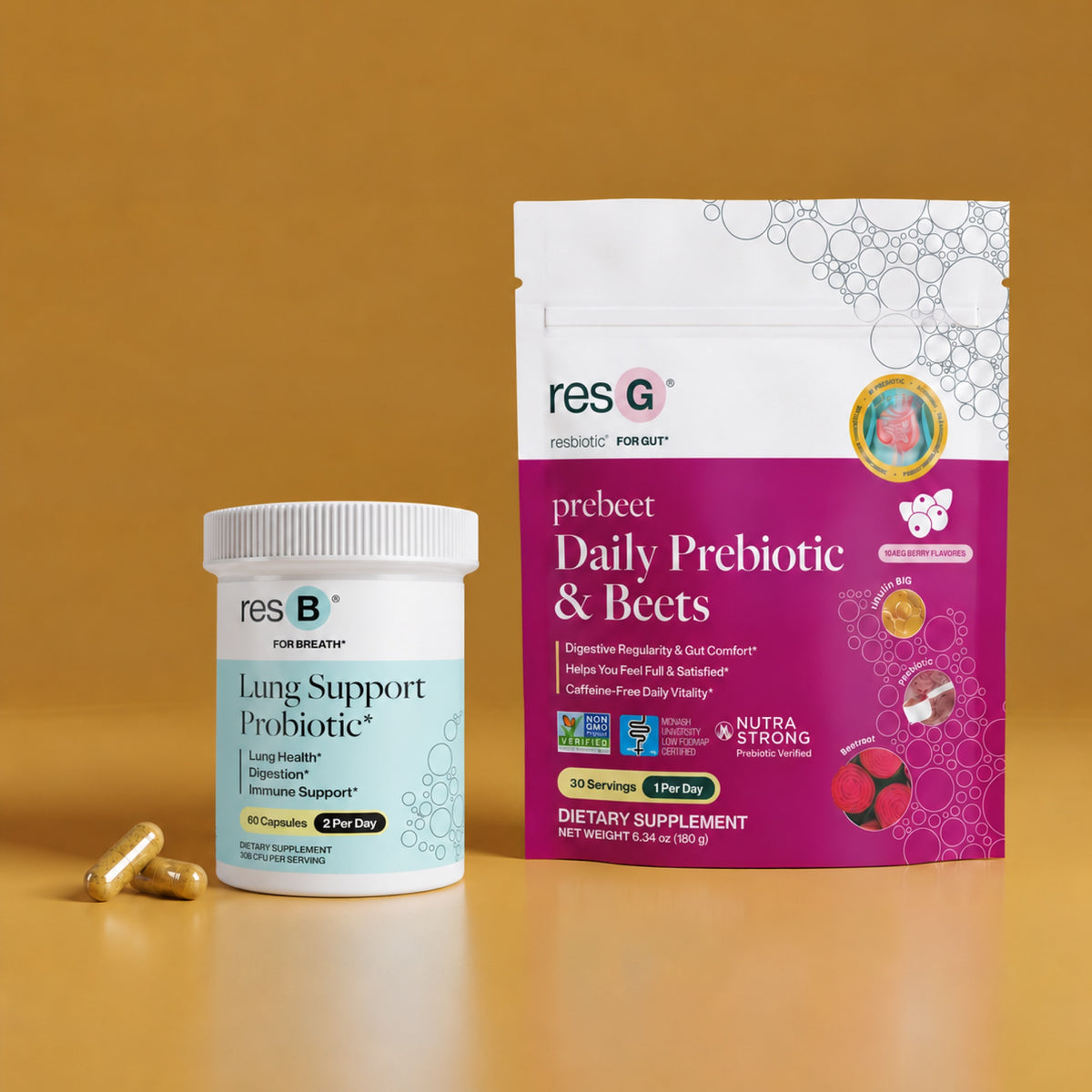
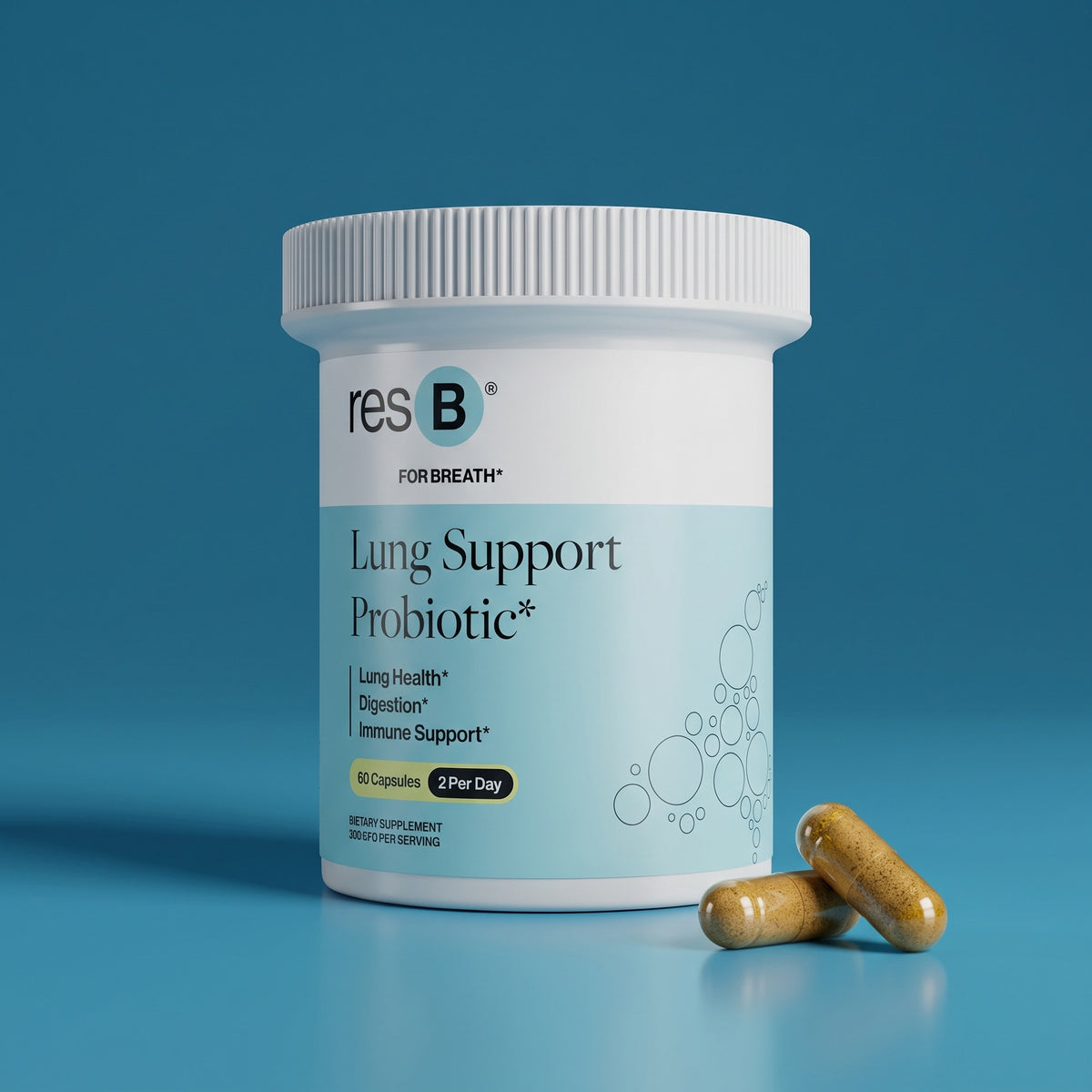
It’s as simple as incorporating resbiotic’s resB® Lung Support Probiotic into your daily ritual. This clinically studied supplement brings the antioxidant benefits of turmeric alongside holy basil, vasaka, and probiotics.* 72% of participants in clinical trials saw improvement. Learn more below!
Is Turmeric Good For Your Lungs?
The turmeric benefits for lungs are well established. So why is turmeric good for your lungs? A lot of it can be traced back to curcumin, the main active compound in turmeric.
Curcumin has been shown to interact with pathways involved in inflammation and oxidative stress. Both of these are linked to respiratory health. Curcumin has been studied for how it interacts with inflammatory and oxidative stress pathways, which are commonly discussed in relation to respiratory comfort and resilience.
There are also clinical studies showing how curcumin influences immune signaling, including cytokine activity that influences how the lungs respond to environmental stressors.
Curcumin has antioxidant properties as well. That’s yet another reason it comes up in conversations around lung support. Oxidative stress takes a toll on airway tissue, especially when someone is exposed to pollutants, smoke, or seasonal allergens.
It’s one of the best herbs for lungs. But you should set your expectations - it’s not a treatment for lung disease. It’s merely a supportive tool for respiratory wellness. And there are other tools you should add to your routine as well to bring out the full potential of turmeric.
The way you take it matters, too. So, let’s get into how to take turmeric for lungs.
How to Take Turmeric For Lungs
There are a few ways you can harness the potential turmeric benefits for lungs. You can incorporate turmeric in your diet, you can brew turmeric powder into tea, or you can explore more concentrated supplements.
Turmeric Tea or Golden Milk
Warm turmeric tea is one of the simplest ways to bring curcumin into your routine. You can combine turmeric powder with black pepper and a fat source like coconut milk or almond milk, since curcumin absorbs better alongside fats and piperine.
It’ll take some trial and error to get the tea tasting good. But, sipping tea in the evening can feel really soothing on an irritated throat, too, as an added benefit. It’s an easy daily habit to stick to.
Cooking With Turmeric
There are countless ways to add turmeric to your diet - soups, rice dishes, roasted vegetables, or smoothies. Cooking turmeric with oil helps the body from an absorption perspective.
Just be aware that dietary intake alone may not provide enough curcumin to make a difference in your lung health. It supports a broader anti-inflammatory diet that can improve respiratory health over time, but you should do this alongside more measured curcumin supplementation.
Capsules or Standardized Extracts
Supplements are usually the best way to take turmeric because you can stay consistent and make sure you’re getting ample curcumin content on a daily basis.
Standardized extracts have higher concentrations of curcumin than food sources. They might even feature absorption-boosting ingredients. This is our advice on how to take turmeric for lungs because it’s so simple.
But a basic curcumin supplement is not the best lung support supplement. After all, turmeric is just one of the many ways to support healthier respiratory function. That’s where resbiotic’s resB comes in.
resB® Lung Support Probiotic
resB combines turmeric with clinically studied probiotics for lung health and other traditional airway-support botanicals. It’s a physician-formulated, clinically-studied supplement for lung health.*
- plantarum RSB11®, L. acidophilus RSB12®, and L. rhamnosus RSB13® have all been shown to support lung function, breathing, and digestion.*
Holy basil has similar properties to turmeric, bringing immune-boosting benefits as an antioxidant and adaptogen.* Vasaka has been used in ancient Ayurvedic and Unani medicine to help clear airways, ease coughs, and support you through seasonal respiratory challenges.*
This combination supports respiratory balance through both immune and microbiome pathways. Clinical studies have shown a 72% improvement in participants, with 82% saying resB helps improve quality of life. 95% were likely to recommend resB to others. 100% of participants reported no adverse side effects.
People turn to resbiotic’s resB for daily lung support that goes beyond a single ingredient.* It’s vegan, gluten-free, non-GMO certified, and made right here in the USA. Backed by a 30-day money-back guarantee, it’s a smart way to experience the potential turmeric benefits for lungs.*
Other Treatments to Consider
We know you came here to learn how to take turmeric for lungs, but it works best not just alongside other ingredients, but also alongside other habits that minimize irritation and support recovery. Here are a few things worth incorporating with resB:
- Steam inhalation or humidifiers: More moisture in the air may calm dry, irritated airways to make breathing feel more comfortable, especially in heated indoor spaces.
- Saline rinses or nasal sprays: These can help clear allergens or pollutants that so often trigger coughing and throat irritation.
- Breathing exercises: Slow nasal breathing or diaphragmatic breathing can help regulate airflow and minimize throat tension.
- Eliminate indoor irritants: Limiting strong cleaning sprays, smoke, and synthetic fragrances can lower the daily burden on your lungs. Invest in an indoor air purifier.
- Hydration: Drinking enough water thins mucus so it’s easier for the body to clear naturally.
Our blog has more tips on how to remove mucus from lungs naturally if you’re interested in exploring additional strategies as we wrap up our guide on how to take turmeric for lungs.
Final Words on the Turmeric Benefits For Lungs
In closing, is turmeric good for your lungs? There are plenty of studies on the potential turmeric benefits for lungs, and the clinical trials we’ve done here at res for our lung support supplement confirm a lot of those findings.
Remember, though, knowing how to take turmeric for lungs is key to maximizing its effects in your respiratory system. Consistency and concentration matter. That’s why resbiotic’s resB is the smart way to support lung function through turmeric.*
You also get clinically studied probiotic strains and traditional airway-support botanicals for a more complete respiratory support formula. Add resB to your daily routine and give your lungs the targeted, microbiome-focused support they need to feel stronger and more comfortable.*
Frequently asked questions
Can turmeric clear lungs?
Curcumin, the main active compound in turmeric, has been studied for supporting a healthier inflammatory response and overall respiratory wellness.
How much turmeric should I take for lung inflammation?
Most research involves doses of 500-1,000 mg of standardized curcumin extract daily, usually split into two doses and taken with food for better absorption.
Is it safe to take turmeric for lungs?
It’s a generally well-tolerated supplement when taken in healthy amounts and when sourced from a trusted brand.
Who should not use turmeric supplements for lung health?
People on blood thinners, those with gallbladder issues, or anyone preparing for surgery should consult a healthcare professional before adding turmeric for lungs to their routine.
When will I notice the benefits of turmeric in my lungs?
Set your expectations; turmeric works gradually. It can take several weeks of daily use before you notice any changes to respiratory wellness. Be patient and consistent for the fastest results.
Does turmeric help with seasonal lung issues?
Curcumin’s antioxidant properties may help the body respond better to the environmental stressors that show up during seasonal changes.
What’s the difference between turmeric and curcumin for lungs?
Turmeric is the whole root, while curcumin is the concentrated compound that can actually move the needle on respiratory function. For all intents and purposes, the potential turmeric benefits for lungs are thanks to curcumin.
What’s the best way to use turmeric for lungs?
As we explained in our guide on how to take turmeric for lungs, a concentrated supplement that pairs curcumin alongside other clinically studied ingredients (like probiotics and botanicals) is your best bet. You can fill in the gaps through diet, but supplements allow for a level of consistency and concentration that food alone cannot.