








You probably already know something isn’t right if you’re looking up the signs of poor gut health, be it bloating, gas, or irregularity. However, the bad gut health symptoms can manifest in ways you might not expect - feeling tired all the time, brain fog and mood swings, skin conditions, a weakened immune system; the list goes on and on!1
There are 10 signs of an unhealthy gut in particular that we want to make you aware of, as they can clue you into something more sinister going on inside your body. More importantly, though, we’ll share tips on your next steps upon discovering these gut imbalance symptoms.
Key Takeaways
- Gut dysbiosis is what experts refer to as a state of imbalance in the digestive tract.
- Bloating, gas, and irregular bowel movements are among the most common warning signs. 1
- Other gut dysbiosis symptoms include fatigue, skin breakouts, poor immunity, and brain fog. 1
- Gut health touches everything from digestion to immune function, metabolism, hormonal balance, and mental health.2
- Poor diet, chronic stress, antibiotic use, or low-quality sleep can all send the gut into disarray.3
- Restoring balance starts with dietary changes and lifestyle adjustments.
- Trying resbiotic’s resG prebeet ENERGY Prebiotic should be your first step upon noticing the signs of poor gut health.*
The Importance of Gut Health
You don’t just need good gut health for the sake of “feeling good,” although that’s part of it. Your gut is home to around 70% of your immune system, helps make neurotransmitters, and supports nutrient breakdown to fuel the rest of the body.4
Thus, the signs of bad gut health are not something to be taken lightly.
Understanding the Gut Microbiome
There are trillions of bacteria, fungi, and other microorganisms in your gastrointestinal tract - that is what makes up the “gut microbiome.” The diverse ecosystem of these species.
In a perfect world, every part of this ecosystem does its job and works in synergy with the others. They break down fiber, make short-chain fatty acids, synthesize vitamins, and keep immune responses proportionate to the threat at hand.1
Of course, it doesn’t always go that way. The microbiome shifts into dysbiosis when certain species dominate and others start to disappear - that’s when the signs of poor gut health start popping up.3
How Gut Health Impacts Other Systems
The gut-brain axis is a channel through which your gut communicates with the mind through the vagus nerve and chemical signals.5
Your gut also affects your skin, sending inflammatory markers into the bloodstream.6
It even modulates immune response, which dictates how well your body can fight off infections.4
This is to say, bad gut health is not as simple as “tummy troubles.” It can take a toll on just about every system in the body. Thankfully, the answer is usually pretty straightforward. Let’s look at the 10 signs of an unhealthy gut before getting into the fixes.
10 Signs of an Unhealthy Gut You Need to Watch Out For
Your gut could be out of balance and you might not even feel bloated or gassy. Some of the most telling signs of poor gut health don’t even look like a stomach problem. You should watch out for all 10 signs of an unhealthy gut:
Constant Bloating and Gas
Feeling a little bloated after a big meal or after chugging a carbonated drink is somewhat normal. But waking up feeling bloated day in, day out is a sign something isn’t right.
Chronic abdominal distension and discomfort can take hold when gut bacteria aren’t efficiently fermenting food - or a species that produces gas could be running the show in your gut.3 Either way, this sort of digestive discomfort is among the most telltale signs of bad gut health.
Irregular Bowel Movements
Whether it’s constipation, diarrhea, or a cycle where you swing between the two unexpectedly, bowel movement irregularity is another one of the more prominent gut imbalance symptoms.
You go on a relatively set schedule when your gut microbiome is balanced. But transit time through the colon can speed up or slow down when that balance falls out of whack, and that leads to changes in stool consistency.3
Unexplained (or Unintentional) Weight Changes
People don’t usually complain about unintentional weight loss - but whether the scale is moving up or down for no apparent reason, it could be a sign your gut is out of sync.
The gut is less efficient at extracting energy from food when it’s in dysbiosis, and this state of imbalance can also affect hormones related to hunger and fullness. Some bacterial profiles harvest calories more efficiently than others. This is to say that the composition of your gut microbiome can dictate whether calories are burned for fuel or stored as fat.7
Persistent Fatigue or Poor Sleep
A lot of serotonin comes from the gut, and this neurotransmitter is involved in sleep cycle regulation.5 So, it’s really not very surprising that research has connected microbiome diversity to better sleep quality, including both sleep time AND efficiency.8
This also goes back to how efficiently your gut breaks down food. If those calories you’re eating are being stored as fat rather than energy, you will have an energy imbalance - which would explain why you feel so fatigued all the time.7
Food Intolerances
Are there certain foods that you used to eat without issue that now cause some sort of flare-up? This is yet another one of the often overlooked signs of poor gut health.
The intestinal lining can become compromised when the microbiome falls out of its natural rhythm, which lets partially digested food particles prompt an immune response. This can cause bloating, nausea, or pain after eating.9
Note that it’s not a true food allergy. Rather, it’s an intolerance that can be traced back to poor gut health. Restoring balance in the gut usually means you can once again enjoy the food giving you grief.
Skin Problems
You’ve probably been told that eating the wrong foods can put you at risk of breakouts. But a lot of this has more to do with the state of your gut than the food itself.
Acne, eczema, rosacea, and other inflammatory skin conditions can all manifest through what is known as the gut-skin axis.1 Gut dysbiosis can prompt systemic inflammation and get in the way of immune signaling - both of which can show up in how your skin looks and feels.
One study has shown that people with acne tend to have more Proteobacteria (inflammatory) and less Bifidobacterium, in their gut.6 Clearing up your skin could be as simple as restoring balance in the gut.
Incessant Sugar Cravings
There are a few types of gut bacteria that thrive on sugar. They can take over the microbiome and trigger cravings through metabolic signaling, basically tricking you into feeding them more of the fuel they need to continue dominating the delicate ecosystem within your gut.10 It’s a vicious cycle that makes it hard to resist sugar cravings.
Mood Changes and Brain Fog
The gut-brain axis is a two-way road. Stress can take a toll on your gut, and your gut has a say in your response to stress - along with your overall mood and clarity.5
One study published in Clinical Psychology Review uncovered a correlation between gut microbiota composition and both anxiety and depression.11 This suggests that brain fog, trouble focusing, and irrational irritability are all potential signs of poor gut health.
Weakened Immune Function
It’s not normal to get sick all the time, or to take weeks to recover from minor infections. Since as much as 70% of the immune system lives in your gut, this is another one of the gut dysbiosis symptoms to pay attention to.4 Your immune system does its job as intended when the gut is balanced and happy.
Bad Breath
Rounding out our list of the top 10 signs of an unhealthy gut is another unexpected one - stinky breath that doesn’t get better after improving your oral hygiene. That stench could be coming all the way from your gut, as a disrupted gut microbiome is notorious for creating more odorous gases that travel upward.12
What Should You Do if You Notice the Signs of Poor Gut Health?
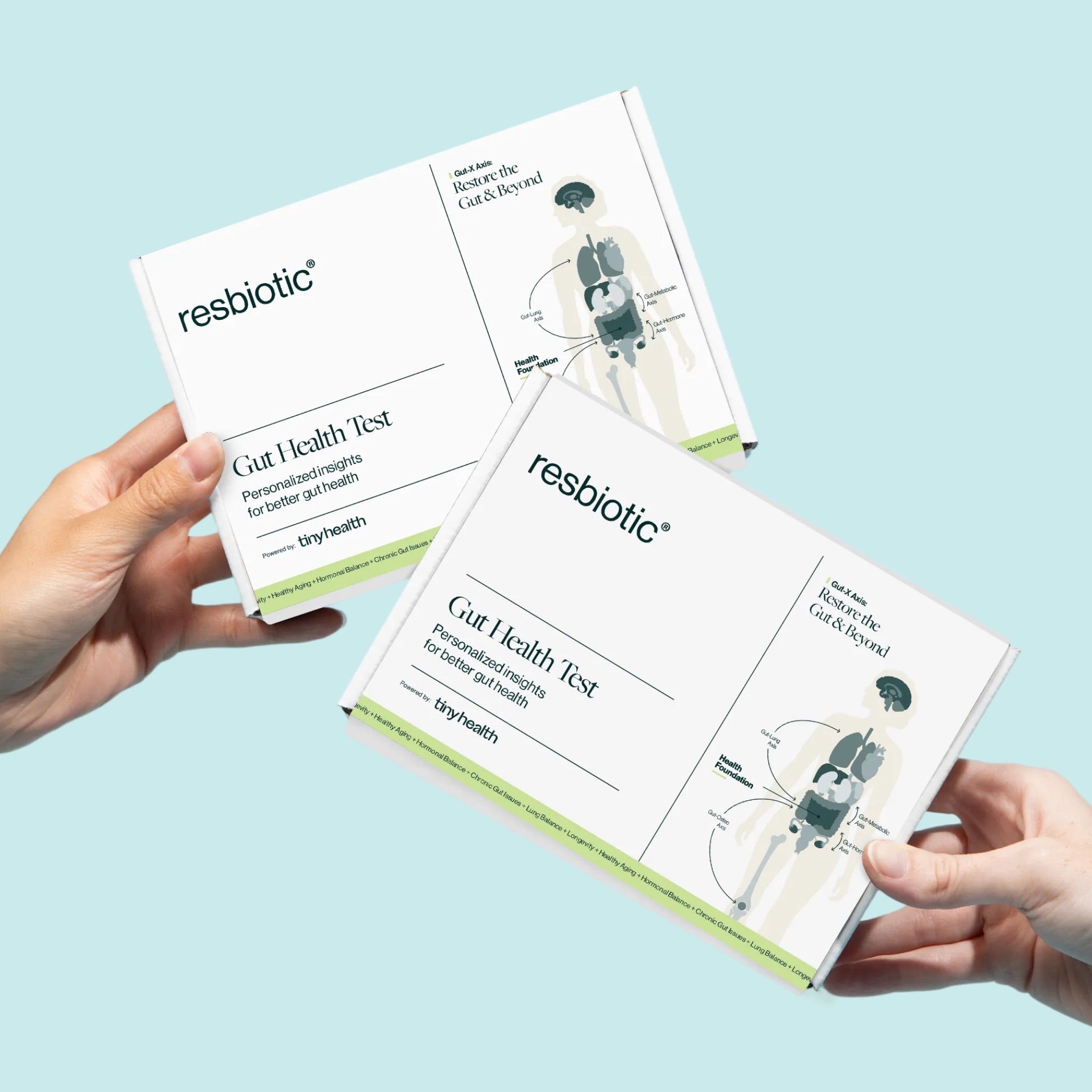
You’re here learning about the gut dysbiosis symptoms, and that’s a start. Restoring balance is probably going to take a combination of dietary and lifestyle changes. However, the first thing you should do upon noticing the signs of poor gut health is head over to resbiotic.
Start With a Targeted Gut Health Supplement
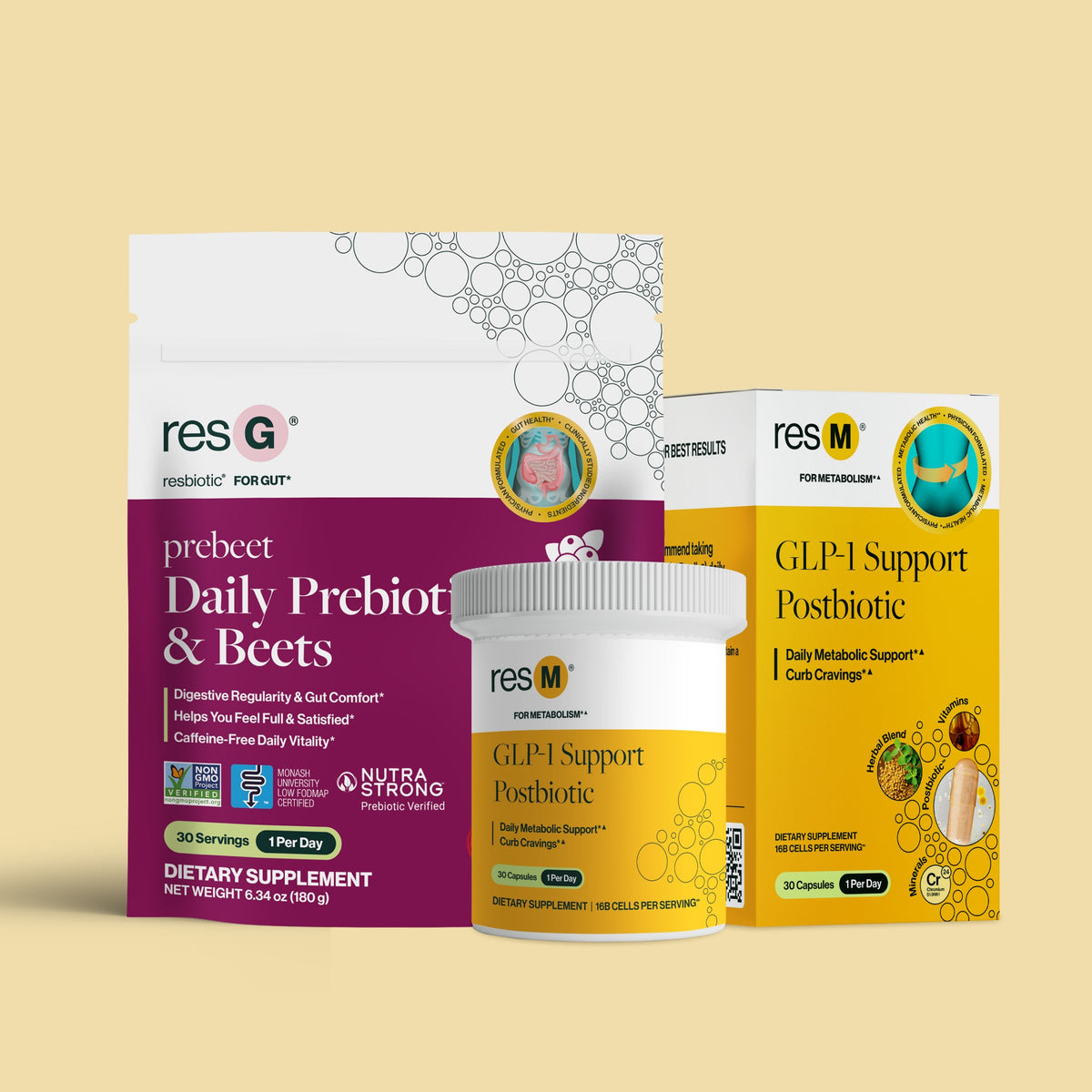
Prebiotics and probiotics are among the best ways to nourish your gut microbiome, and resbiotic has two physician-formulated, clinically studied supplements that can help bring things back into balance.*
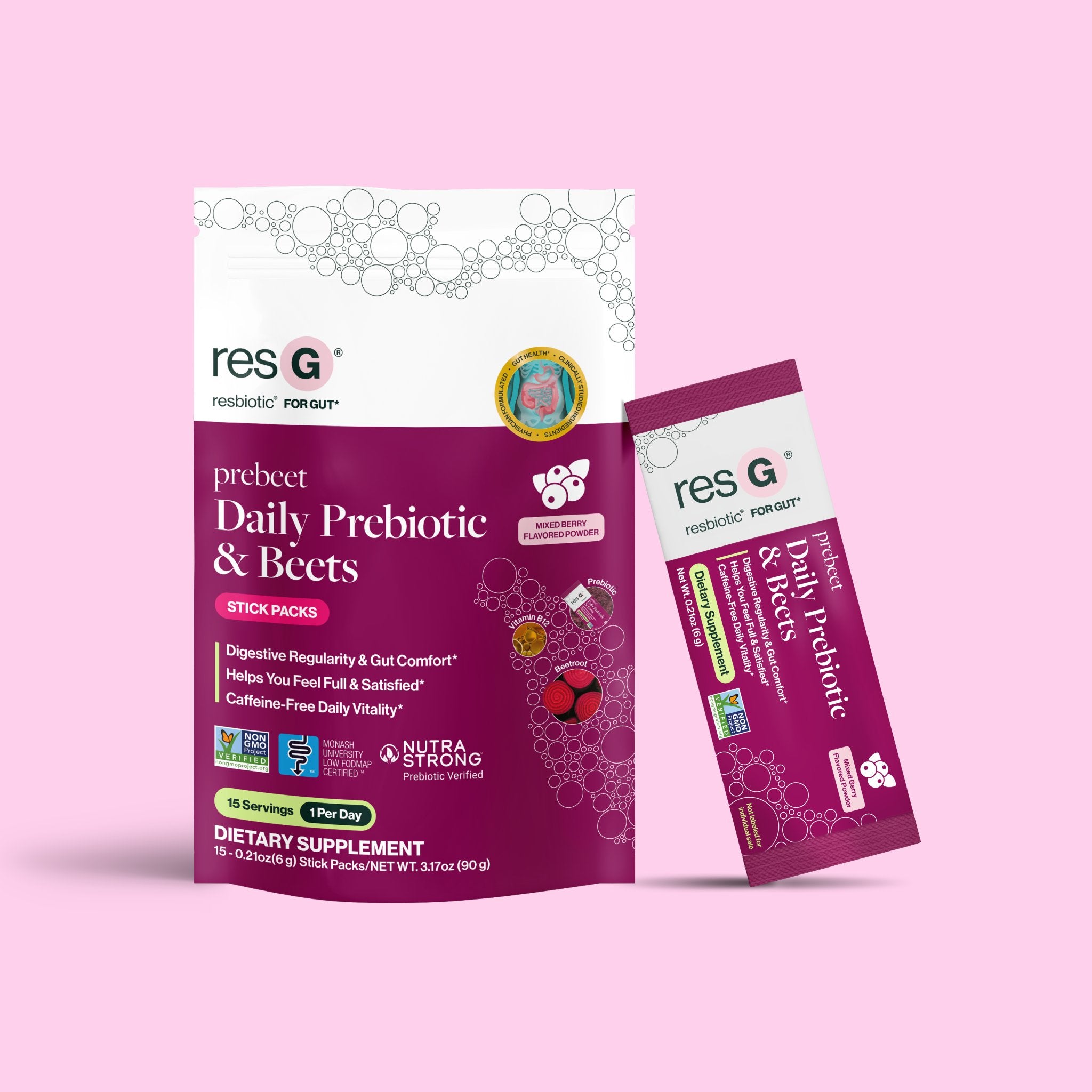
resbiotc’s resG prebeet ENERGY Prebiotic has resistant potato starch, a powerful prebiotic that may support digestion, ease bloating, and align with weight management goals.* It also has beetroot and vitamin B12. Clinical results specifically on resistant potato starch showed a 200% increase in Bifidobacterium, a beneficial bacterium linked to digestive health!*
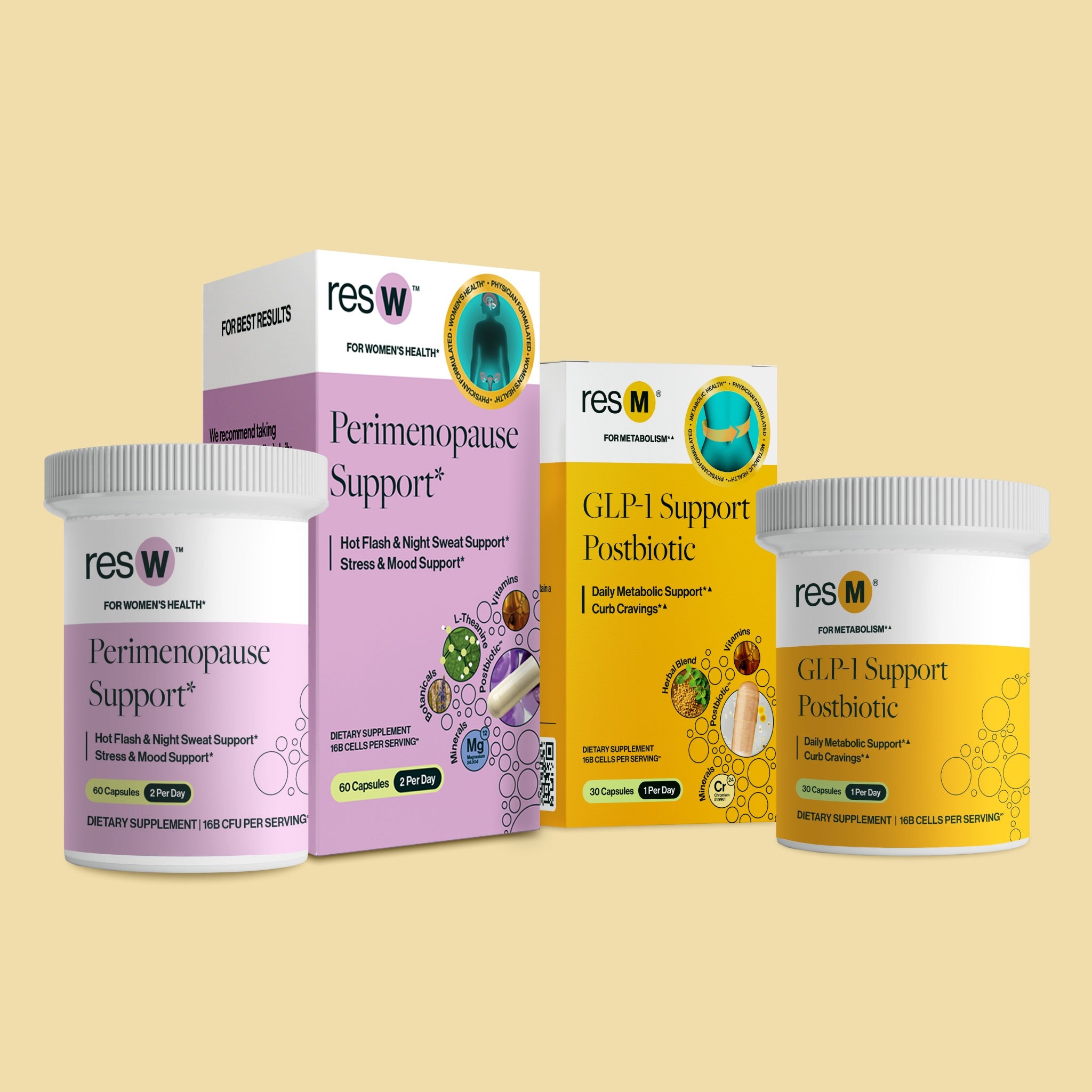
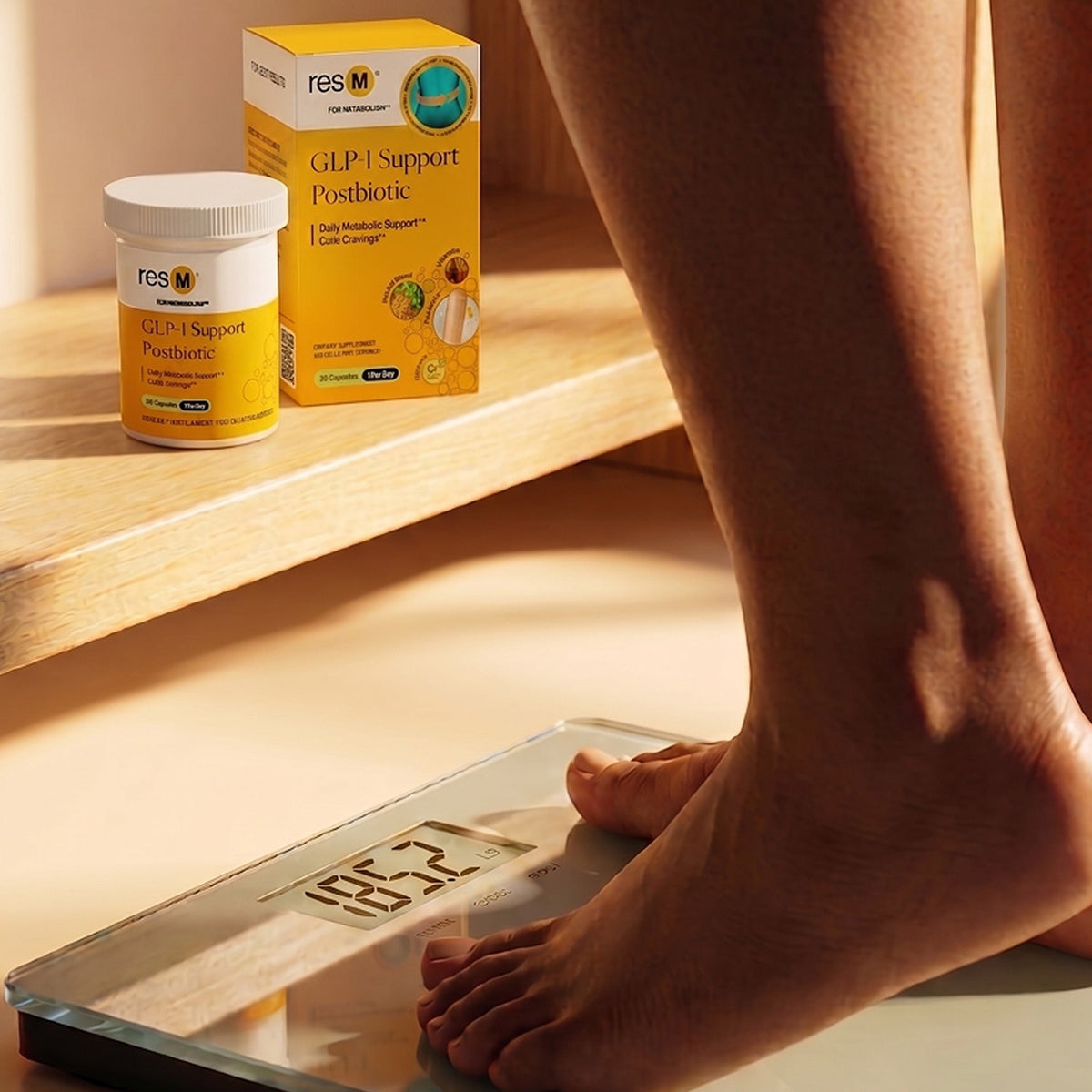
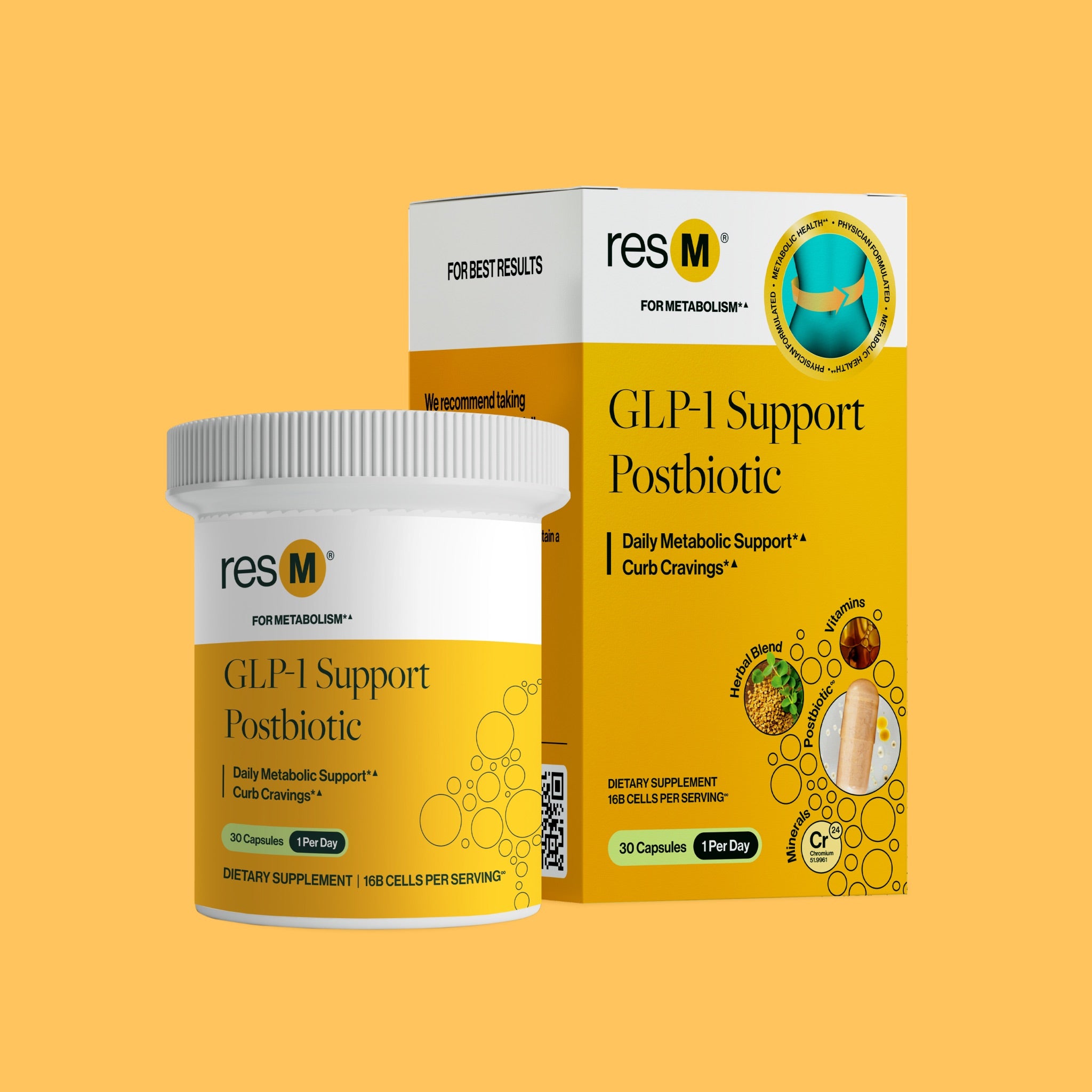
Meanwhile, resbiotic’s resM is a world-renowned GLP-1 probiotic that contains postbiotics, chromium, white mulberry, fenugreek, and vitamins D3 & B12 - good vitamins for gut health.* According to clinical results, 97.5% participants lost weight in the 8 week study period.*16
Eat More Fiber and Fermented Foods
Scientists at Stanford conducted a study back in 2021 and found that eating more fermented foods increased microbiome diversity and lowered inflammatory markers over 17 weeks.13 So, it’s worth adding yogurt, kimchi, sauerkraut, and kefir to your diet.
But you have to nourish the beneficial bacteria in your gut, too - which is why you should pair those foods with high-fiber foods like vegetables, legumes, and whole grains.14
Cut Back on Processed Foods and Added Sugar
We mentioned earlier that eating too much sugar can lead to an imbalance with certain inflammatory bacterial species, which will in turn choke out good ones like Bacteroidetes.10 Processed foods will only make matters worse, as their emulsifiers and additives can compromise the intestinal lining.
Move Your Body More
Exercise is never a bad idea. But it’s especially powerful if you’ve noticed the signs of poor gut health, according to a systematic review of 32 studies published in 2023. It found that athletes tend to have a more diverse gut microbiome than sedentary people.15
Frequently asked questions
What is dysbiosis?
It’s an imbalance in the gut microbiome where there are more harmful or inflammatory bacteria than helpful species. It can come as a result of poor diet, chronic stress, or illness.3
How do I know if my gut is unhealthy?
Watch out for any of the 10 signs of an unhealthy gut - and if you notice more than one of them at the same time, that’s probably a good indicator that something isn’t right in your gut.
How can I improve my gut health?
Eat a better diet, move more often, and add a prebiotic/probiotic supplement to your daily routine.*
What is the 7-day gut reset and is it worth it?
It typically involves cutting out processed foods, sugar, and alcohol while eating exclusively whole foods and fermented products for a week. The idea is it can ease the gut dysbiosis symptoms and get you back to a better baseline.
Can gut health impact mental health?
Absolutely, because the gut and brain are connected through the gut-brain axis.5,11
What else is affected by gut health?
Immune function, skin health, sleep quality, weight, hormones, and digestion - just about every aspect of human health can be traced back to the gut in some way or another.1,4,6,8
Can a healthcare provider help assess my gut health?
A gastroenterologist or functional medicine practitioner can order stool tests and put some real data behind your gut imbalance symptoms. If you notice the signs of poor gut health aren’t getting better after making changes, it may be worth scheduling an appointment.
Related Resources
Byetta vs Ozempic | Is Tirzepatide the Same as Ozempic? | Akkermansia for Weight Loss
References
- Thursby E, Juge N. "Introduction to the human gut microbiota." Biochem J. 2017. PubMed
- Vijay A, Valdes AM. "Role of the gut microbiome in chronic diseases." Eur J Clin Nutr. 2022. PubMed
- Canakis A, et al. "Irritable bowel syndrome and gut microbiota." Curr Opin Endocrinol Diabetes Obes. 2020. PubMed
- Wiertsema SP, et al. "The Interplay between the Gut Microbiome and the Immune System." Nutrients. 2021. PubMed
- Liu L, Zhu G. "Gut-Brain Axis and Mood Disorder." Front Psychiatry. 2018. PubMed
- Sanchez-Pellicer P, et al. "Acne, Microbiome, and Probiotics: The Gut-Skin Axis." Microorganisms. 2022. PubMed
- Geng J, et al. "The links between gut microbiota and obesity." Biomed Pharmacother. 2022. PubMed
- Smith RP, et al. "Gut microbiome diversity is associated with sleep physiology in humans." PLoS One. 2019. PubMed
- Zhao W, et al. "The gut microbiome in food allergy." Ann Allergy Asthma Immunol. 2019. PubMed
- Satokari R. "High Intake of Sugar and the Balance between Pro- and Anti-Inflammatory Gut Bacteria." Nutrients. 2020. PubMed
- Simpson CA, et al. "The gut microbiota in anxiety and depression." Clin Psychol Rev. 2021. PubMed
- Li Z, et al. "Halitosis: etiology, prevention, and the role of microbiota." Clin Oral Investig. 2023. PubMed
- Wastyk HC, et al. "Gut-microbiota-targeted diets modulate human immune status." Cell. 2021. PubMed
- Fu J, et al. "Dietary Fiber Intake and Gut Microbiota in Human Health." Microorganisms. 2022. PubMed
- Cullen JMA, et al. "A systematic review on the effects of exercise on gut microbial diversity." Front Physiol. 2023. PubMed
- Pala OSK, Nicola T, Madhvacharyula T, et al. An oral heat-inactivated postbiotic increases endogenous GLP-1 and promotes weight loss in adults with overweight or obesity: a randomized placebo-controlled trial. medRxiv. Preprint posted August 3, 2026. doi:10.64898/2026.07.23.26358809