







What you eat plays a profound role in your lung health, which is why you need to eat the best fruit for lungs! But what fruit is good for lungs? We've taken a look at the research and found these are the best lung health fruits to include in your diet:
- Strawberries
- Apples
- Kiwis
- Oranges
- Avocados
- Blueberries
- Grapes
- Pomegranates
- Bananas
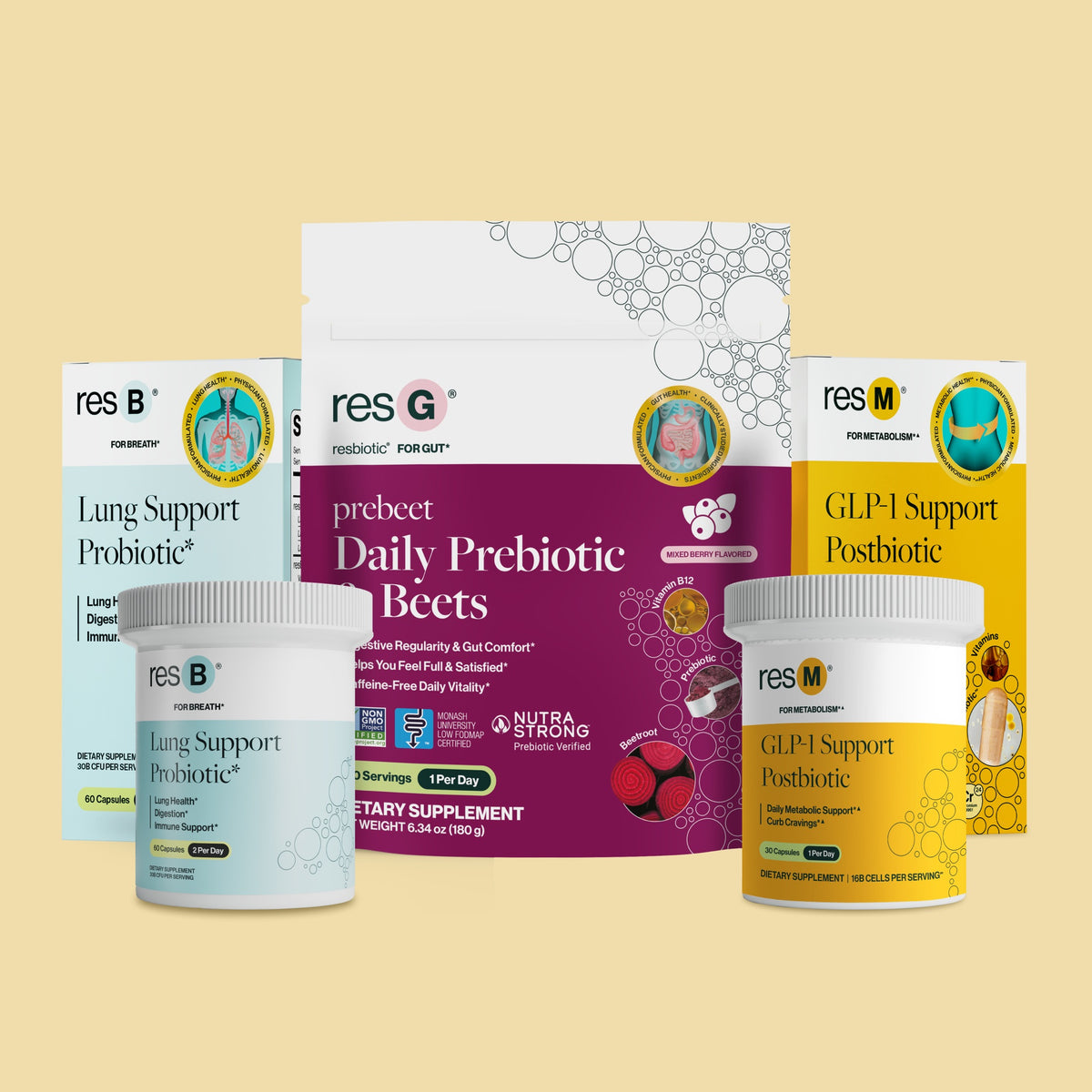
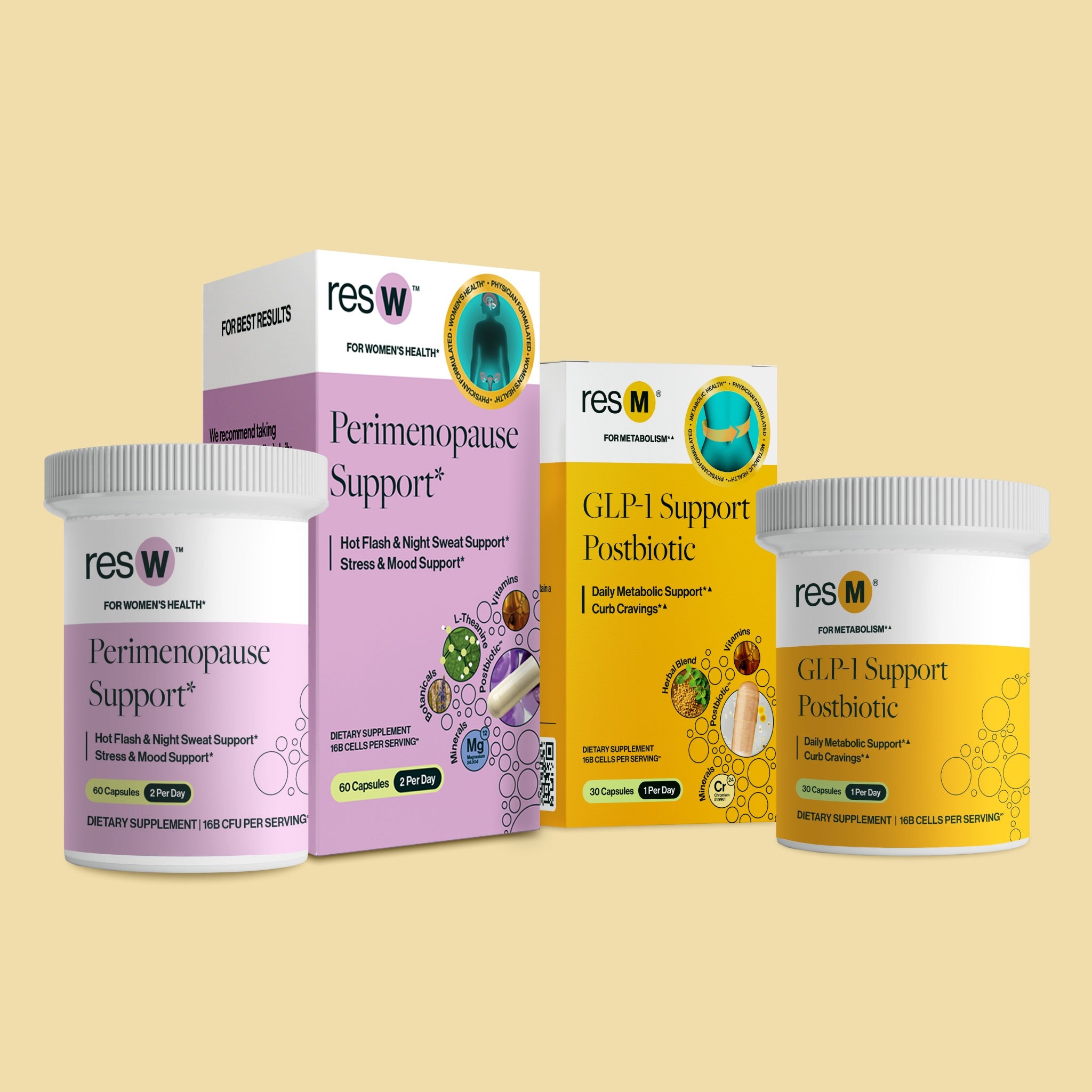
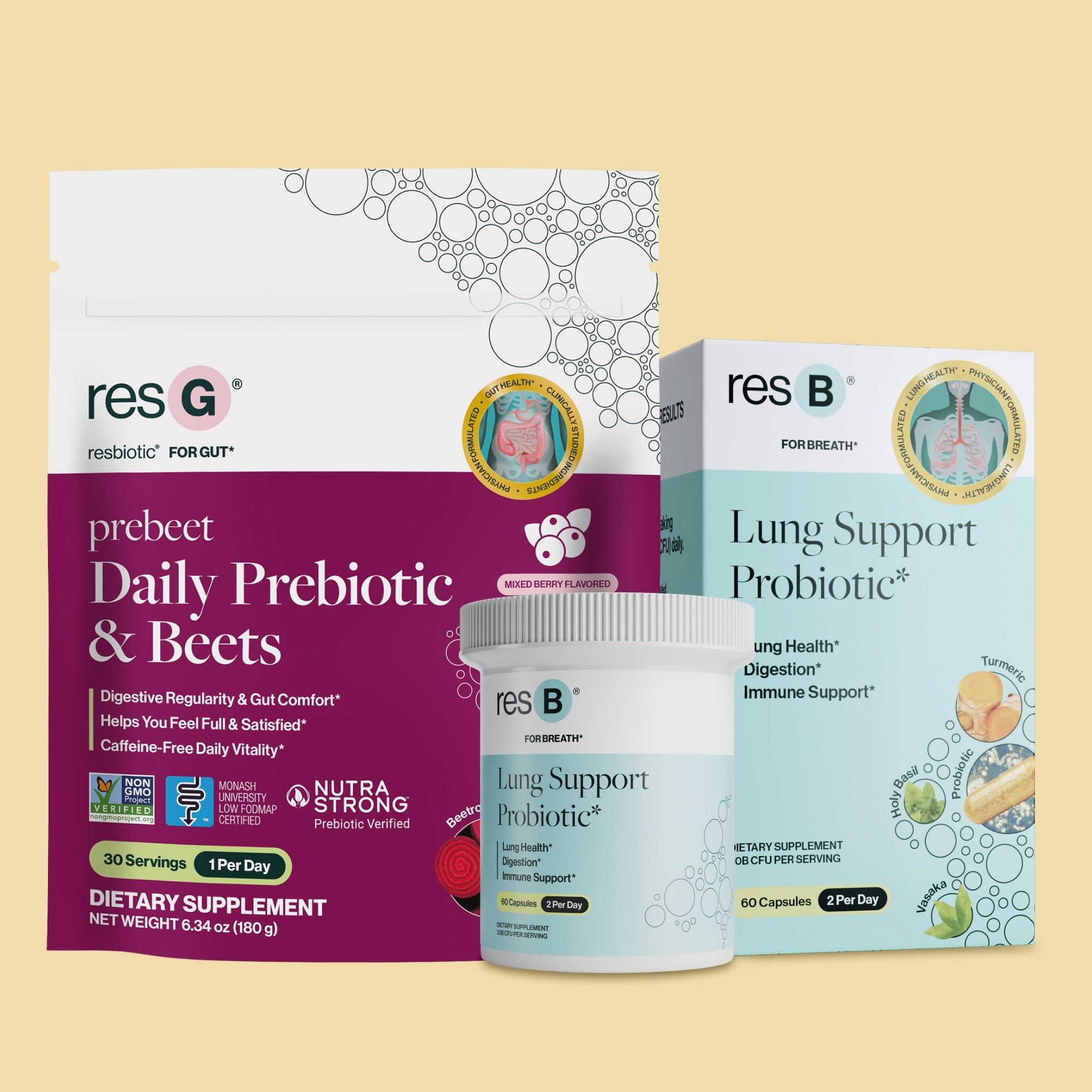
Learn about the compounds in each of these that make it a good fruit for the lungs, and other foods you should get in your diet regularly as well. We'll also introduce a better way to support respiratory function more consistently: resB, a clinically studied lung support probiotic.*
What Can Food Do For Lung Health?
More than most people realize. Your gut bacteria and your lung tissue are in constant communication through something researchers call the gut-lung axis.1 The microbes living in your intestines produce immune signals that travel directly to your respiratory tract - so the composition of your gut flora literally shapes how your lungs respond when pollution, allergens, or a virus show up.
Shift your diet and you shift which bacteria dominate. That shift changes the signals reaching your lungs. It's one reason vitamins for lung health matter beyond just filling nutritional gaps - they feed the microbial ecosystem that protects tissue you never consciously think about.
Three compound categories do the most for respiratory function:
- Antioxidants (vitamin C, vitamin E, beta-carotene): these neutralize the free radicals that cigarette smoke, exhaust, and industrial pollution deposit in your airway cells
- Omega-3 fatty acids (EPA and DHA, primarily from fatty fish): they reduce the chronic low-level inflammation that tightens airways over months and years
- Magnesium (nuts, seeds, leafy greens): your diaphragm and the intercostal muscles between your ribs depend on it to contract properly each time you inhale
Fruit delivers antioxidants better than almost any other food group. We cover omega-3 and magnesium sources further down, but first: what fruit is good for lungs?
What Fruit is Good For Lungs? Ranking the Best Fruit For Lungs
We've compiled a list of the best fruit for lungs that you can start eating on a daily basis.
Strawberries
59 mg of vitamin C per 100 g - more than oranges. Vitamin C is the front-line molecule your airways use against the free radicals generated by smoke, car exhaust, and even just breathing in a city. People with higher circulating vitamin C tend to lose lung function more slowly, and this holds true even among smokers.2
Strawberries also carry anthocyanins, the pigments behind their deep red color. Researchers publishing in the American Journal of Clinical Nutrition tracked anthocyanin consumption in a large population and found that higher intake correlated with slower age-related lung function decline.3
This multifaceted support makes strawberries our #1 recommendation for the best fruit for lungs.
Kiwis
Kiwis pack 92 mg of vitamin C per 100 g, the second highest concentration of ANY fruit (right behind guava).4 This fruit also provides vitamin E, potassium, folate, and fiber - all sorts of good stuff to support healthier lung function.
Research shows eating kiwis can boost immune function5 and support better respiratory outcomes, including less wheezing in children.6 Two kiwis a day is more than enough for your daily intake of vitamin C without any supplementation needed.
Oranges
Oranges have 53 mg of vitamin C per 100 g, along with unique flavonoids that have their own protective properties against oxidative stress in lung epithelial cells.7
Not the highest vitamin C concentration on this list, but easily the most convenient. Every grocery store stocks them year-round, they're cheap, and they require zero preparation. If someone asks what fruit is good for lungs when budget and convenience matter most, oranges win. One thing - eat the actual fruit. Juice strips out the fiber and most of the bioflavonoids that make oranges worth eating in the first place.
Apples
Are apples good for your lungs? A large cohort study set the bar at five per week - people who ate that many showed better lung function and lower rates of chronic respiratory problems compared to those who rarely ate apples.8 Johns Hopkins researchers found the same association in former smokers: those whose diets included lots of apples and tomatoes retained more lung capacity over time.9
Quercetin and catechin, two flavonoids concentrated almost entirely in the skin, appear to drive most of that benefit. So are apples good for your lungs if you peel them? Much less so. Keep the skin on.
Avocados
Not a fruit people associate with lung health, but avocados earn their spot. Vitamin E protects the fatty membranes that wrap every cell in your lung tissue, and avocados are one of the richest whole-food sources of it.10 The monounsaturated fat has a useful side effect too - it increases your body's absorption of fat-soluble vitamins from whatever else you eat in the same meal. Pair half an avocado with other best fruit for lungs on this list and your body actually pulls more nutrients from all of them. Potassium and vitamin K round things out.
Blueberries
Anthocyanin density sets blueberries apart. Gram for gram, they pack more of these compounds than any other common fruit. The protective mechanism is the same one that makes strawberries effective - anthocyanins slow the rate at which lung function naturally declines with age.3
Vitamin C, vitamin K, and manganese are also in the mix. Worth knowing: frozen blueberries retain their anthocyanin content through the freezing process, so a frozen bag works just as well as a fresh pint and costs significantly less when berries are out of season.
Pineapples
Pineapples have bromelain, a proteolytic enzyme with a studied ability to reduce mucus viscosity and ease airway congestion. That just means bromelain may help thin mucus and modulate inflammatory responses in the respiratory tract.
So, what fruit is good for lungs when mucus is the primary culprit behind your ailments? People dealing with seasonal congestion or sinus pressure need to eat more pineapple. Preferably, fresh pineapple - it has more active bromelain than canned.
Bananas
Bananas are potassium-rich (422 mg per medium banana). That supports respiratory muscle function, including the diaphragm and intercostal muscles that control breathing mechanics.
Potassium also keeps electrolytes balanced, in turn influencing smooth muscle tone in the airways. Bananas rarely come to mind when people ask what fruit is good for lungs, but respiratory muscle function shouldn't be overlooked.
Pomegranates
Punicalagin and ellagic acid - two antioxidants that specifically target the kind of oxidative damage air pollution leaves in lung tissue. Raw antioxidant capacity per ounce puts pomegranates ahead of most other fruits on this list. Fresh seeds or 100% pomegranate juice both deliver the goods. A warning on labels though: most “pomegranate drinks” sitting on store shelves are really apple juice with pomegranate flavoring and added sugar. Read before you buy.
Watermelon
Two things at once: lycopene (the same carotenoid antioxidant found in tomatoes) and serious hydration from a fruit that's over 90% water by weight. The antioxidant piece handles oxidative stress in airway tissue. The water piece keeps your airway mucus fluid enough for your cilia to actually sweep debris out instead of getting gummed up.
We think watermelon is the best fruit for lungs during warmer months when dehydration and poor air quality often coincide and can cause respiratory flare-ups. It's also one of the lowest-calorie options on this list, so indulge guilt-free!
Grapes
Are grapes good for lungs? Specifically the dark-skinned varieties - red, purple, black. The skins carry resveratrol, a polyphenol with documented anti-inflammatory activity in airway tissue. Green grapes don't have nearly as much.
You won't get supplement-level resveratrol from snacking on grapes. But eaten regularly alongside berries, pomegranates, and the other fruits above, they fill in another piece of the overall anti-inflammatory picture. Multiple sources at moderate levels adds up to more than megadosing any single fruit.
Other Foods That Support Lung Health
Fruit handles antioxidants well. Your lungs also need compounds that fruit can't provide in meaningful amounts - here's where to find them:
- Beets: nitrates in beets convert to nitric oxide in your body, widening blood vessels and pulling more oxygen from each breath into your bloodstream
- Tomatoes: rich in lycopene. The Johns Hopkins research that found apple benefits for ex-smokers showed an equally strong link with tomato consumption9
- Pumpkin: your body converts its beta-carotene into vitamin A, which maintains the epithelial lining that coats the inside of your respiratory tract. Vitamins C and E come along for the ride
- Leafy greens (spinach, kale, Swiss chard): magnesium, antioxidants, and prebiotic fiber that feeds gut bacteria and loops directly back into the gut-lung axis
- Nuts (almonds, walnuts): almonds cover vitamin E, walnuts bring plant-based omega-3s. A small handful daily does the job
What Foods to Avoid For Respiratory Health
Knowing what fruit is good for lungs loses its impact if the rest of your diet constantly irritates your airways. These are the main things to cut back on:
- Processed meats (bacon, hot dogs, deli cuts): nitrite preservatives used in curing have shown up in research linked to worse respiratory outcomes
- Excess salt: too much sodium drives fluid retention, which can increase how reactive your airways become to triggers
- Sugary drinks: chronic sugar consumption fuels systemic inflammation, and your airways are part of that system
- Fried foods: deep frying produces inflammatory oxidized fats that accumulate with regular exposure
- Heavy drinking: alcohol impairs immune cells in your airways and makes mucus harder to clear
- Refined carbohydrates (white bread, pastries): the blood sugar spikes they cause trigger inflammatory responses that reach airway tissue
More Ways to Support Lung Health Beyond Diet
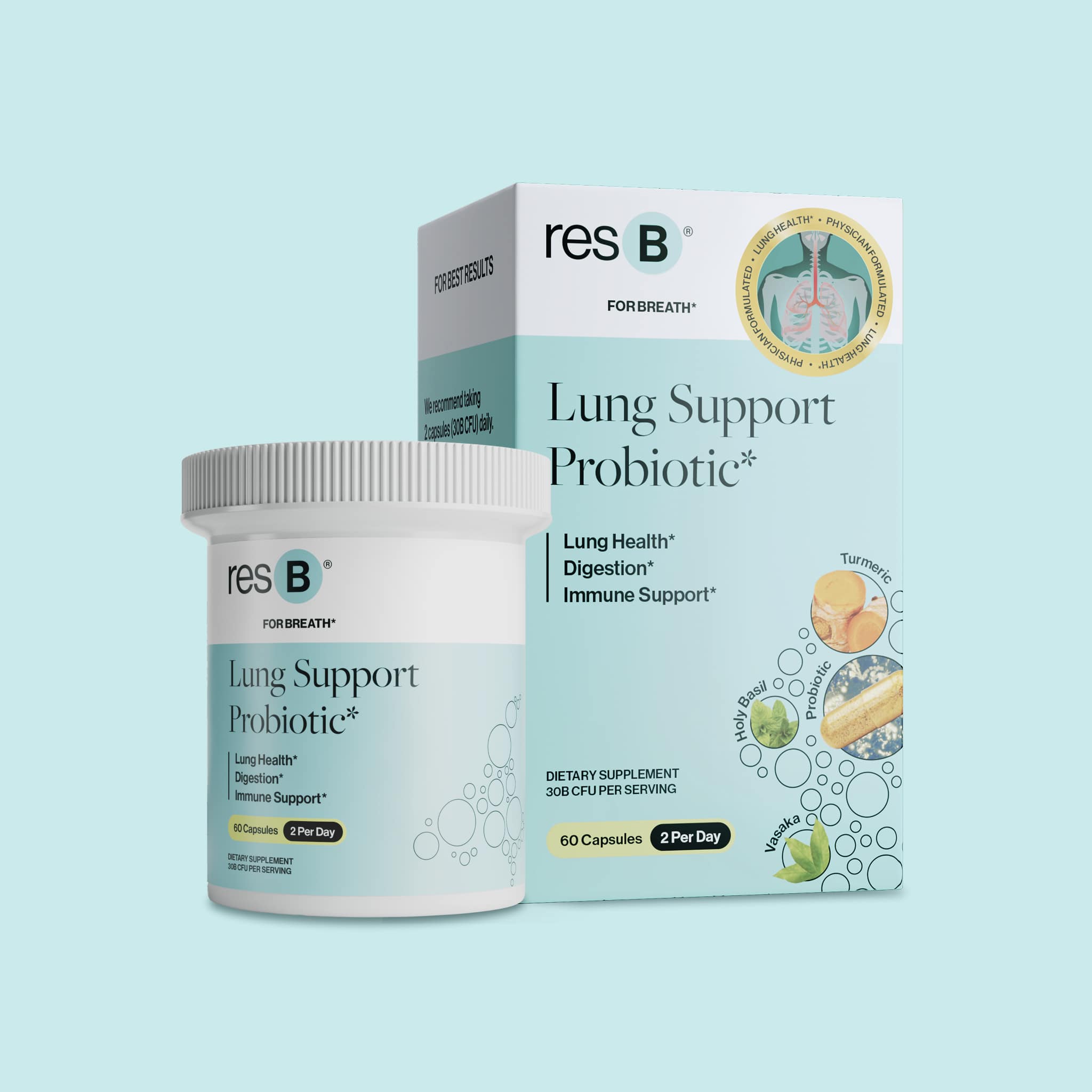
The best fruit for lungs gives your body raw materials to protect respiratory tissue. resB takes a different approach - three proprietary probiotic strains combined with vasaka, turmeric, and holy basil (some of the top herbs for lung detox) working through the gut-lung axis directly.* In clinical studies, 82% of resB users reported quality of life improvement.*
Diet lays the foundation. resB adds a daily layer of clinically studied compounds in standardized doses - no tracking or guesswork required. A few more things that make a real difference:
- Getting plenty of exercise strengthens respiratory muscles and improves oxygen exchange.
- Air quality management (HEPA filters, avoiding chemical irritants) reduces the daily oxidative load on your lungs.
- Staying hydrated keeps airway mucus thin enough for your cilia to clear efficiently.
Our blog has more tips on how to improve lung health naturally, including chronic congestion natural remedies. Start with the best fruit for lungs on your grocery list, order resB, then build from there.
References
- Dang AT, Marsland BJ. "Microbes, metabolites, and the gut-lung axis." Mucosal Immunology. 2019;12(4):843-850. PMC
- Schectman G, Byrd JC, Gruchow HW. "The influence of smoking on vitamin C status in adults." American Journal of Public Health. 1989;79(2):158-162. PubMed
- Mehta AJ, Cassidy A, Litonjua AA, et al. "Dietary anthocyanin intake and age-related decline in lung function." American Journal of Clinical Nutrition. 2016;103(2):542-550. PMC
- Richardson DP, Ansell J, Drummond LN. "The nutritional and health attributes of kiwifruit: a review." European Journal of Nutrition. 2018;57(8):2659-2676. PMC
- Carr AC, Maggini S. "Vitamin C and Immune Function." Nutrients. 2017;9(11):1211. PubMed
- Forastiere F, Pistelli R, Sestini P, et al. "Consumption of fresh fruit rich in vitamin C and wheezing symptoms in children." Thorax. 2000;55(4):283-288. Thorax
- Yoon JH, Lim TG, Lee KM, et al. "Protective effects of orange flavonoids on oxidative stress." Evidence-Based Complementary and Alternative Medicine. 2015;2015:957031. Hindawi
- Hyson DA. "A comprehensive review of apples and apple components and their relationship to human health." Advances in Nutrition. 2011;2(5):408-420. PMC
- Johns Hopkins Bloomberg School of Public Health. "Diet Rich in Apples and Tomatoes May Help Repair Lungs of Ex-Smokers, Study Suggests." 2017. JHU
- USDA FoodData Central. "Avocados, raw, all commercial varieties." USDA
*These statements have not been evaluated by the Food and Drug Administration. This product is not intended to diagnose, treat, cure, or prevent any disease.