





It’s probably not breaking news that your diet is linked to your gut health. The foods you eat can go through your digestive system, where they can be helpful or harmful. In fact, dietary changes can reshape bacterial communities in as little as one day.1
We’re going to discuss the 7 WORST foods for gut health today, because chances are, you’re eating some of these and wreaking havoc in your digestive system without even knowing it. There are the obvious offenders, such as processed foods, but even too much meat and certain veggies, fruits, and legumes can be harmful to sensitive individuals.2
Learn more below, including strategies to improve gut health beyond diet.
Key Takeaways
- Refined sugars, artificial sweeteners, fried foods, excess red meat, trans fats, and alcohol are some of the worst foods that destroy gut health.
- The foods you want to steer clear of share the common theme of either disrupting microbial balance or triggering intestinal inflammation.
- FODMAPs aren’t harmful for everyone, but they can be a driver of symptoms if you suffer from IBS or sensitivity.
- Most of these foods are triggering through overconsumption. Frequency is an important factor.
- Supporting your microbiome with prebiotic fiber, postbiotics, and key vitamins can help offset dietary triggers.
What’s the Connection Between Diet and Gut Health?
Your gut is home to around 100 trillion microorganisms all working in synergy - and what you eat determines which species thrive. Poor dietary habits can create an imbalance in the gut (known as dysbiosis). The wrong species take hold, crowding out the good ones.3
For example, short-chain fatty acids like butyrate feed the cells lining your intestinal wall and help regulate inflammation throughout the body. But if you eat too many foods that destroy gut health, these protective species lose their footing while the type of bacteria linked to chronic inflammation and metabolic dysfunction take over.
Good foods for gut health is a whole other conversation. We just want to highlight the worst foods for gut health so you can keep these off your plate.
7 Worst Foods For Gut Health
Whether it’s feeding the harmful bacteria you want to keep at bay or weakening the gut lining, triggering inflammatory cascades, or just being difficult to break down, these are all bad gut foods - in excess, of course. You’re unlikely to cause severe damage in one meal. Just don’t let these foods become habits.
1. Refined Sugars
Inflammatory gut bacteria feed on sugar, which can slowly but surely lead to an imbalance of species that produce beneficial short-chain fatty acids.4 Beneficial families like Lachnospiraceae and Lactobacillaceae decline, while bacterial endotoxins (lipopolysaccharide) can more easily make their way through the intestinal barrier.
Sugar shows up in everything from sweetened drinks to processed snacks. Eating too much of it can lead to a constant, cumulative, low-grade inflammatory response in the gut.
2. Artificial Sweeteners
Zero-calorie sweeteners were meant to be a safer option. But studies show that saccharin, sucralose, and aspartame can change gut microbiota and lead to glucose intolerance.5 The tricky part is the “sugar-free label” leads you to believe you’re making a smarter choice.
3. Ultra-Processed Foods
Also known as UPFs, these are engineered with additives, emulsifiers, and artificial ingredients. Your gut was never meant to handle these things. Research shows that UPFs can negatively impact gut bacteria diversity and compromise the integrity of the gut lining as well. This makes it easier for harmful compounds to work into the bloodstream.
4. Excess Red Meat
Red meat isn’t the enemy it has been made out to be - but too much of anything can be harmful, and that’s the case here. The L-carnitine compound in red meat gets turned into trimethylamine in the gut, which your liver then oxidizes into TMAO. This is a potential harmful metabolite associated with cardiovascular disease and inflammation.6
5. Trans Fats
You could make the case for artificial trans fats as the worst food for your gut, and most people don’t even know they’re eating them. The FDA restricted partially hydrogenated oils in processed foods, but a little still shows up in the food you eat at restaurants and the stuff that gets imported.
The reason you need to steer clear of these types of bad gut foods has been traced back to a strong link between trans fats and intestinal inflammation.8 It has also been shown that trans fats decrease an essential cytokine for maintaining the intestinal barrier (IL-22).7
6. Alcohol
It’s not food, but it’s one of the worst things for your gut. There are two different ways it causes problems. First, it shifts the makeup of bacteria in the gut for the worse. It reduces Bacteroidetes and boosts Proteobacteria, which contain lipopolysaccharides triggering inflammation.8
Meanwhile, alcohol increases intestinal permeability. In other words, it weakens the gut wall itself, making it even easier for pathogenic bacteria and toxins to slip in.9 The first and second mechanism sort of compound one another in this sense.
7. FODMAPs
FODMAPs (fermentable oligosaccharides, disaccharides, monosaccharides, and polyols) are carbohydrates found in wheat, garlic, onions, beans, and certain fruits. They’re not inherently the worst foods for gut health - that is, unless you have IBS or some other sensitivity to FODMAPs.
The issue is that FODMAPs ferment fast in the large intestine, which can lead to bloating, gas, and discomfort.2 But, long-term FODMAP restriction can negatively impact beneficial bifidobacteria populations.10 You must find a middle ground.
Speaking of which…
Balance is Everything!
Most of the damage these bad gut foods cause comes from volume and consistency rather than a single serving. A slice of cake at a birthday party isn’t going to set you back weeks. But sugary drinks every single day might. The same goes for eating red meat and high-FODMAP food every day.
We didn’t put together this list of foods to show you items you can never touch again, but merely to warn you about overconsuming certain foods.
More Ways to Improve Gut Health
Avoiding foods that destroy gut health is a good starting point, but you should make other changes to actively feed the bacteria you want to thrive.
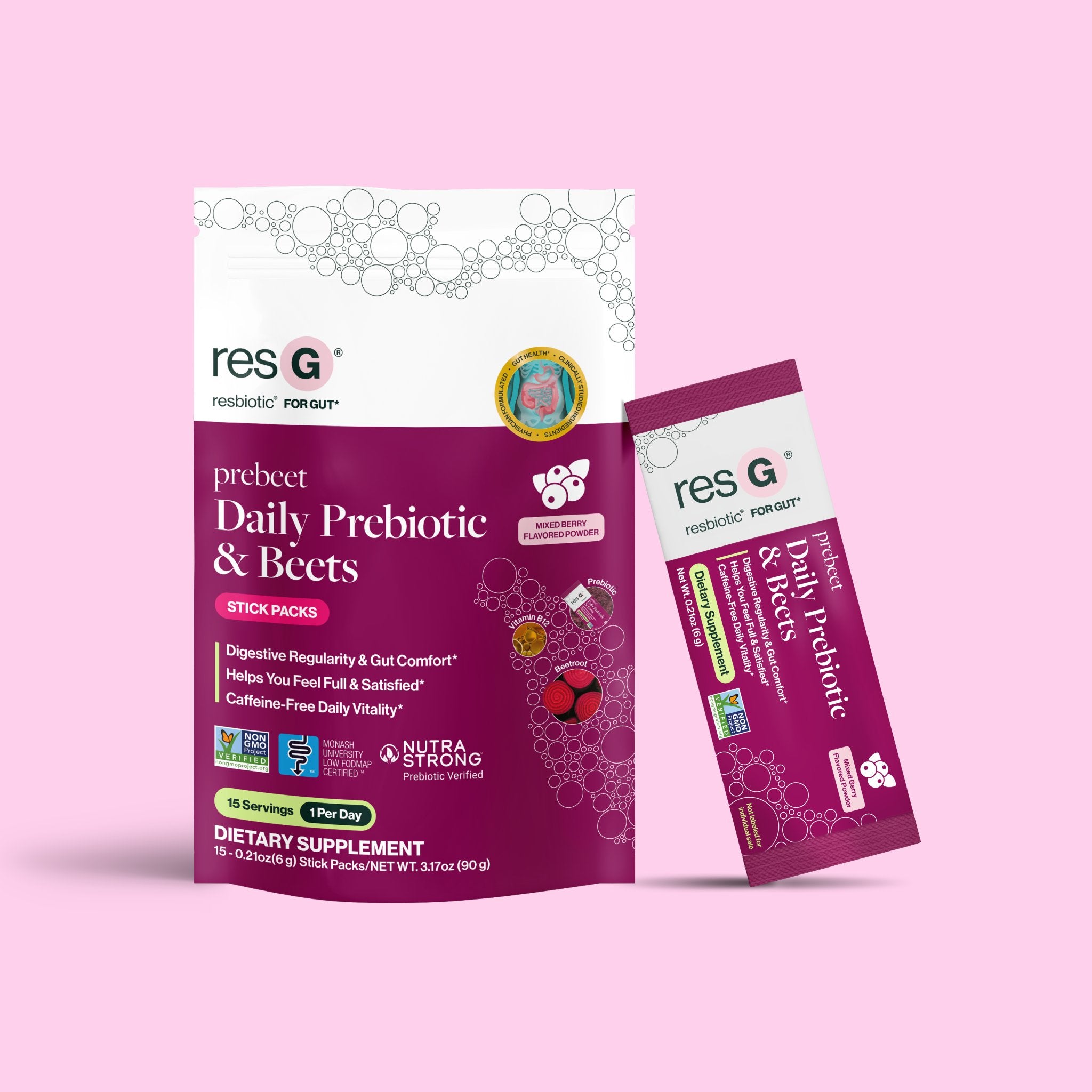
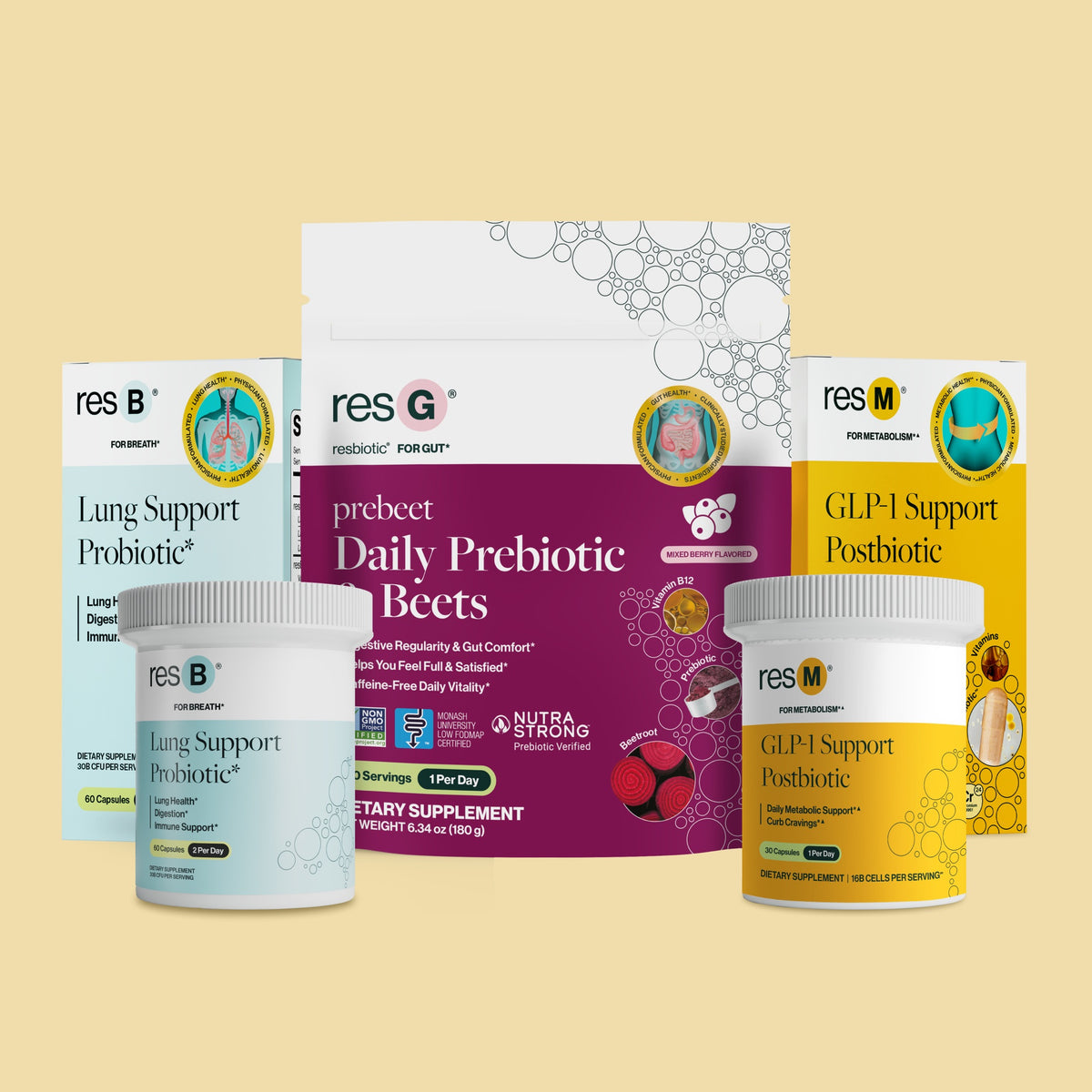
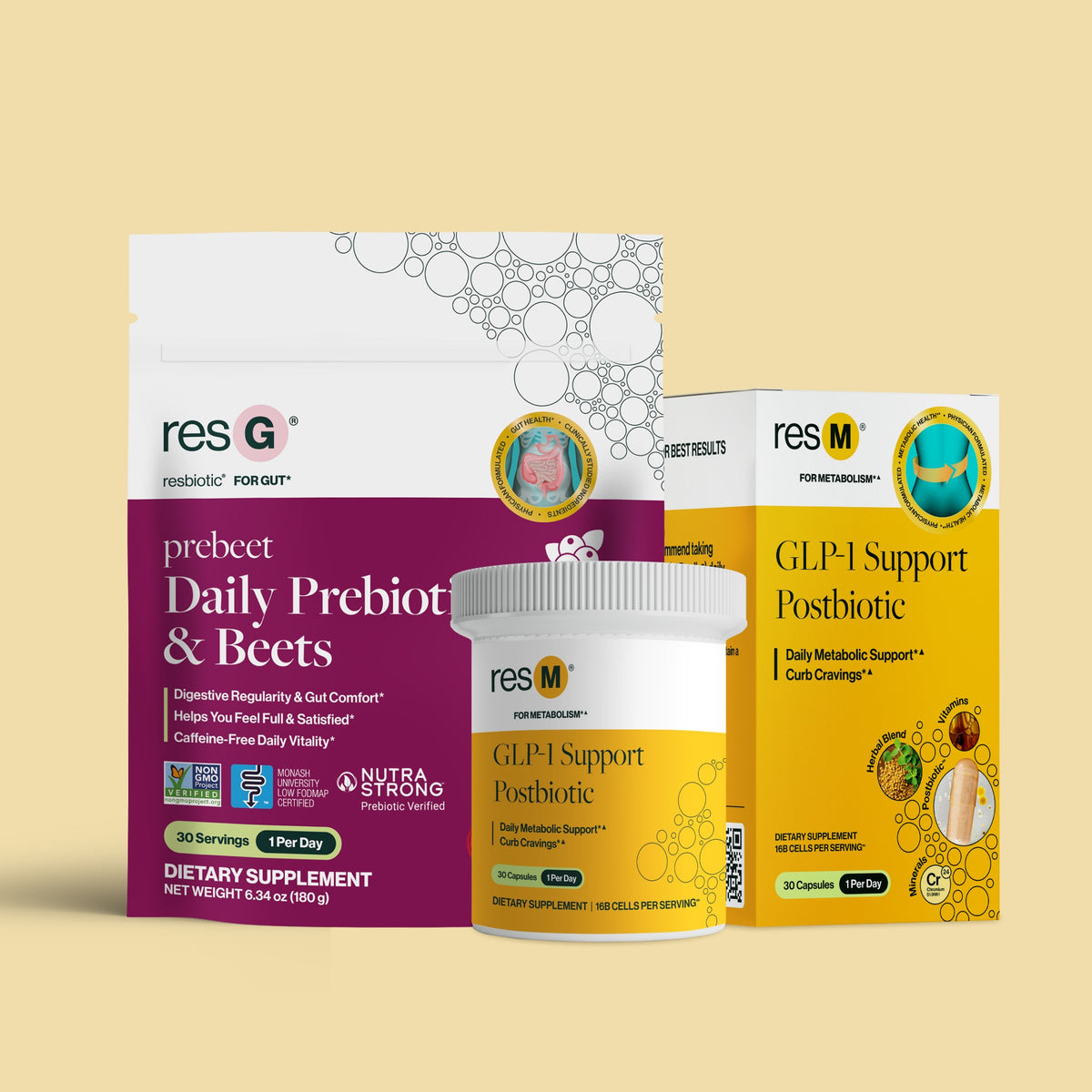
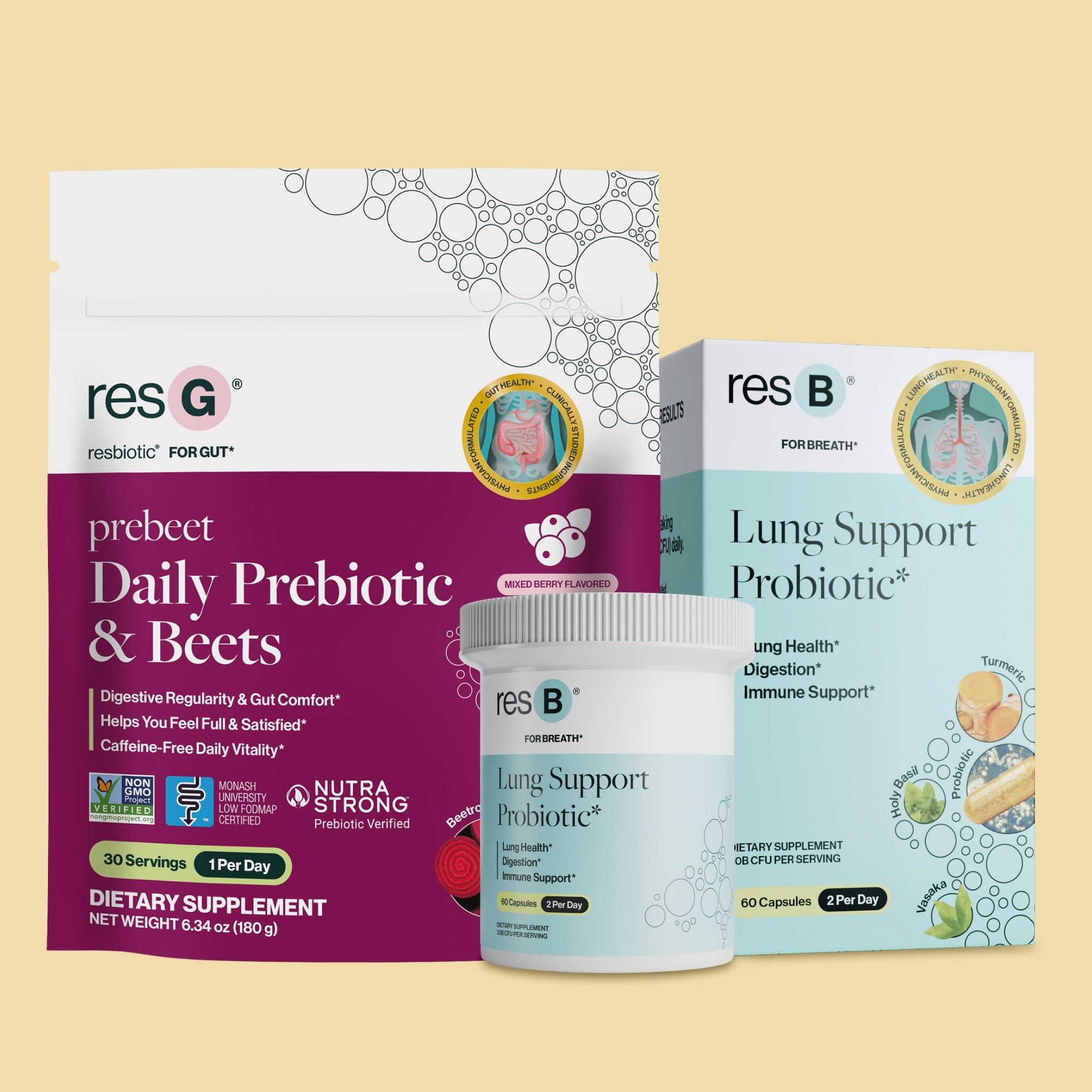
Prebiotic fiber can help fuel helpful species such as Akkermansia and Bifidobacterium that strengthen your intestinal lining.11 That’s why it’s worth adding resbiotic’s resG® prebeet to your daily ritual. It combines resistant potato starch with beetroot to support that process.*
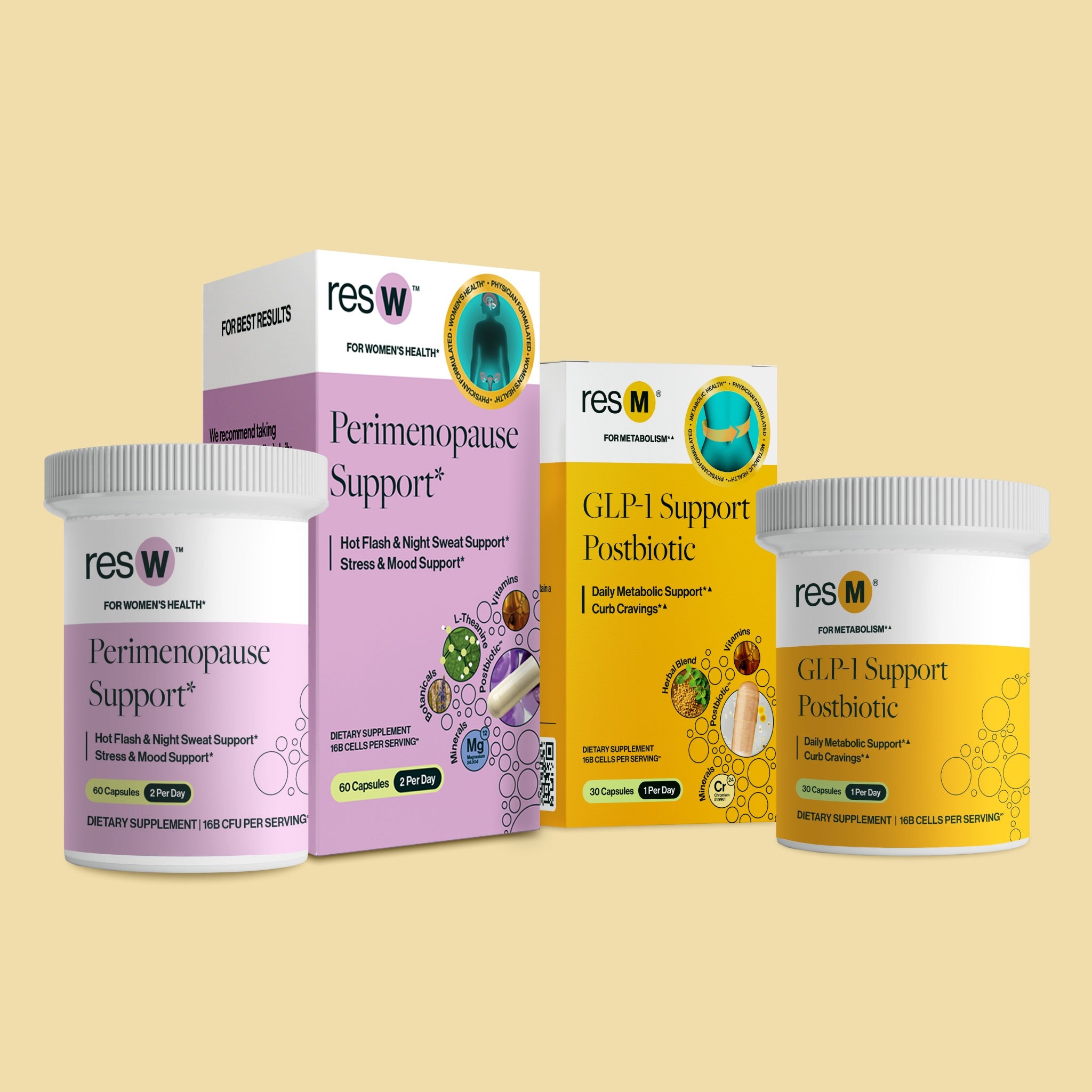
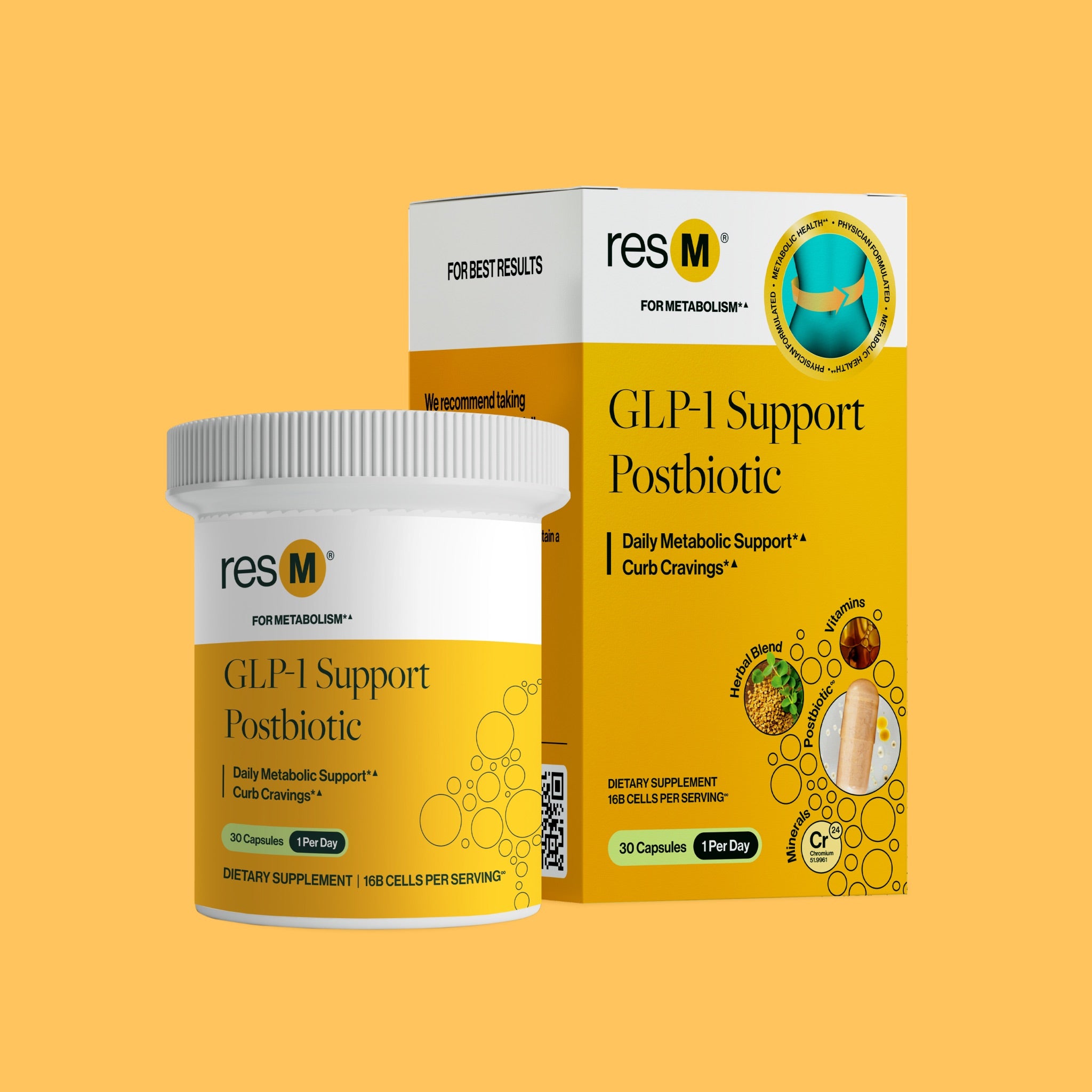
Meanwhile, resbiotic’s resM helps support metabolic health through the gut.* It’s a powerful GLP-1 probiotic made up of postbiotics, chromium, and vitamins for gut health such as D, B12, and B6.
Final Words on Bad Gut Foods
It’s clear that what you eat can help gut health or hold it back. Given the role of the digestive system in overall wellbeing, this is not something you should take lightly. Limit the worst foods for gut health and focus on the good ones that nourish beneficial gut bacteria.
Diet aside, you can foster a healthier gut microbiome with clinically studied supplements at res!* Shop online or in stores near you.
Frequently asked questions
What foods are bad for the gut?
Refined sugars, artificial sweeteners, fried foods, excess red meat, trans fats, and alcohol are all foods that destroy gut health.
Do certain foods actually kill beneficial bacteria in the gut?
Artificial sweeteners can alter microbial composition, and high-sugar diets suppress the species that create short-chain fatty acids. “Kill” is a strong word, though. More like “starve out.”
How fast will I notice gut health improvements from dietary changes?
Noticeable improvement in symptoms, such as less bloating and more regularity, could take a few weeks of making measurable changes to your diet and lifestyle.
Related Resources
Akkermansia for weight loss | Supplements to balance hormones and lose weight
References
- David LA, Maurice CF, Carmody RN, et al. "Diet rapidly and reproducibly alters the human gut microbiome." Nature. 2014;505(7484):559-563. PubMed
- Halmos EP, Power VA, Shepherd SJ, et al. "A diet low in FODMAPs reduces symptoms of irritable bowel syndrome." Gastroenterology. 2014;146(1):67-75. PubMed
- Randeni N, Gómez-Arango LF, Gallo LA, Tran CD. "A Comprehensive Review of the Triangular Relationship among Diet–Gut Microbiota–Inflammation." International Journal of Molecular Sciences. 2024;25(17):9366. PubMed
- Ma X, Nan F, Liang H, et al. "Excessive intake of sugar: An accomplice of inflammation." Frontiers in Immunology. 2022;13:988481. PubMed
- Suez J, Korem T, Zeevi D, et al. "Artificial sweeteners induce glucose intolerance by altering the gut microbiota." Nature. 2014;514(7521):181-186. PubMed
- Koeth RA, Wang Z, Levison BS, et al. "Intestinal microbiota metabolism of L-carnitine, a nutrient in red meat, promotes atherosclerosis." Nature Medicine. 2013;19(5):576-585. PubMed
- Okamura T, Hashimoto Y, Majima S, et al. "Trans Fatty Acid Intake Induces Intestinal Inflammation and Impaired Glucose Tolerance." Frontiers in Immunology. 2021;12:669672. PubMed
- Mutlu EA, Gillevet PM, Rangwala H, et al. "Colonic microbiome is altered in alcoholism." American Journal of Physiology-Gastrointestinal and Liver Physiology. 2012;302(9):G966-G978. PubMed
- Leclercq S, Matamoros S, Cani PD, et al. "Intestinal permeability, gut-bacterial dysbiosis, and behavioral markers of alcohol-dependence severity." PNAS. 2014;111(42):E4485-E4493. PubMed
- Staudacher HM, Lomer MCE, Anderson JL, et al. "Fermentable carbohydrate restriction reduces luminal bifidobacteria and gastrointestinal symptoms in patients with irritable bowel syndrome." Journal of Nutrition. 2012;142(8):1510-1518. PubMed
- Bush JR, Baisley J, Harding SV, Alfa MJ. "Consumption of Solnul Resistant Potato Starch Produces a Prebiotic Effect in a Randomized, Placebo-Controlled Clinical Trial." Nutrients. 2023;15(7):1582. PubMed