






We get asked all the time, is holy basil good for lungs? People wonder why we include it alongside other herbs for lungs in our lung support probiotic. It has no shortage of anecdotal evidence in Ayurvedic medicine. But what does modern research say?
The benefits of holy basil for lungs can be traced back to what eugenol does in airway tissue. It appears to support healthier inflammatory responses while protecting against the oxidative damage caused by pollution and chronic immune activity.*1,2
We'll take a closer look at all the benefits of tulsi for lungs below.
What is Holy Basil (Tulsi)?
Also known as tulsi (Ocimum sanctum), this herb grows across India and Southeast Asia. Don't let the name fool you, though. It's not the sweet basil you're used to. It's mostly used for therapeutic purposes, not flavor enhancement.
Ancient Ayurvedic medicine has relied on it for respiratory ailments forever - coughs, bronchitis, asthma, and even recurring infections.3 It also qualifies as an adaptogen, though, meaning it helps your body become more resilient against stress.
But you came here to learn specifically about the respiratory potential behind this herb. So, why is holy basil good for lungs?
Is Holy Basil Good for Lungs?
Let's start by unpacking the compounds and properties that make holy basil so powerful for respiratory health - then we'll show you exactly who should add it to their regimen.
Compounds and Properties That Support Respiratory Health
Most of the benefits of holy basil for lungs can be attributed to a single compound - eugenol. It cut the inflammatory cytokine response and protected the tissue in a 2015 acute lung injury model.1
A separate study showed it dropped lung resistance and shut down NF-kB signaling - the same pathway responsible for allergic airway reactions.2
The other compound in holy basil that's worth knowing about is rosmarinic acid. It fights the oxidative damage that all of us deal with from breathing in polluted air on a daily basis. It also helps calm the adverse effects that come from your immune system running hot for too long.
There's immune data behind holy basil now as well. A double-blind human trial put healthy volunteers on tulsi extract for four weeks. The results were incredible - T-helper cells, natural killer cells, and IFN-gamma all climbed.4 Using holy basil for lungs primes your immune system to respond better to respiratory threats instead of overreacting to them and firing off all those symptoms you feel - congestion, coughing, sore throat, etc.
Who Could Benefit From Holy Basil?
So, is holy basil good for lungs if you're otherwise healthy? Yes, and this is a common misconception we see. You don't need a respiratory diagnosis to consider adding this herb to your wellness regimen.
A 2023 COPD model demonstrated that holy basil extract could undo alveolar damage from cigarette smoke, while reigniting antioxidant enzyme activity.5 Even though that particular study was a disease model, it's the same type of oxidative stress you end up with from breathing in city air, dealing with seasonal allergies, and years of past smoking.
Anyone who wants to keep breathing well for the long haul can find reason to include holy basil. Your lungs start losing capacity around the time you turn 35, whether you notice or not. Inflammation only speeds that deterioration up.
So, you don't need a diagnosis to justify using holy basil for lungs. You can tap into its anti-inflammatory and antioxidant potential if your airways are exposed to any sort of ongoing stress.
Other Potential Benefits of Holy Basil
The respiratory data is just one of many reasons to add holy basil to your supplement stack. The adaptogen side of things is just as exciting. It also ties back into how this herb supports respiratory health.
Your immune system takes the hit from high cortisol (as a result of chronic stress). This spikes inflammation throughout the body, airways included. Holy basil may help get that under control by beefing up your body's stress response.
There's really no catch here, either. A systematic review of 24 human studies showed its potential for blood sugar regulation, cholesterol management, cognitive performance, and stress response, with no significant side effects across the board.6
How to Use Holy Basil For Lungs
You're sold. So how do you actually bring the benefits of holy basil for lungs into your daily routine? Tulsi tea is the easiest way. Steep dried holy basil leaves for 5-10 minutes. You might have a hard time getting your hands on fresh leaves, but they're bursting with potential.
The issues with tea are that 1) it's not the most enjoyable flavor and 2) it's a hassle to brew up every single day. You may not be getting the clinical dosage you need, either. That's why you should consider the best lung supplements instead.
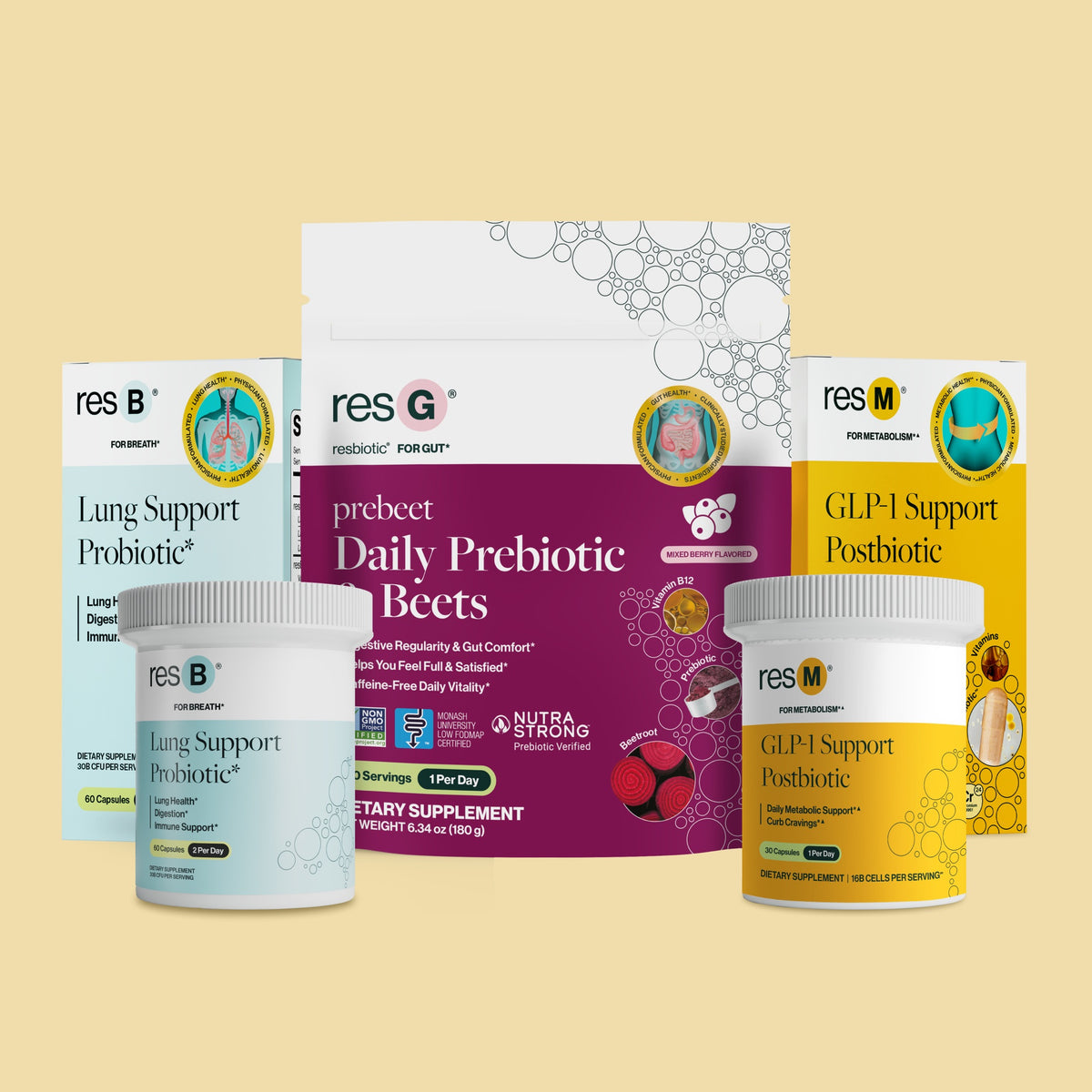
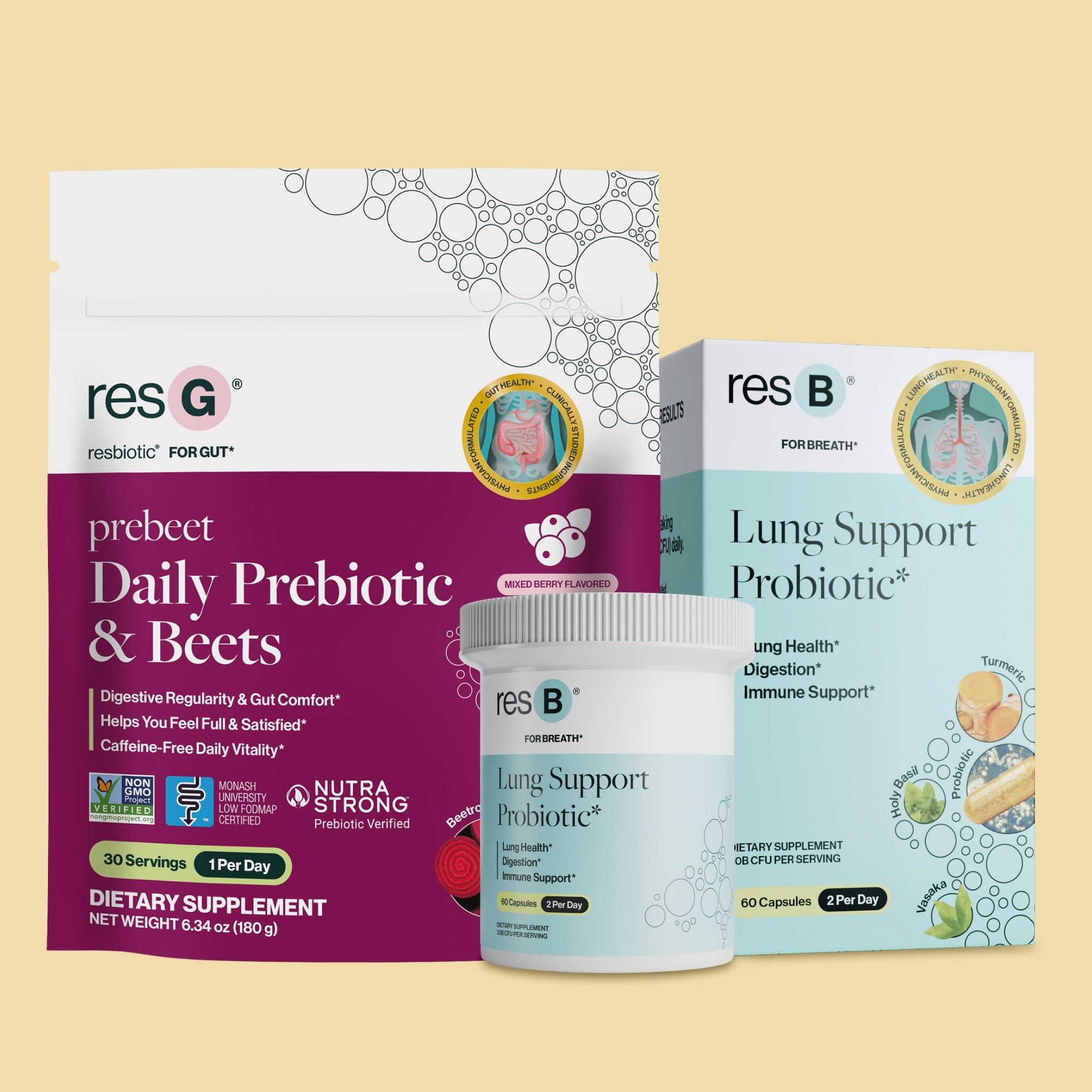
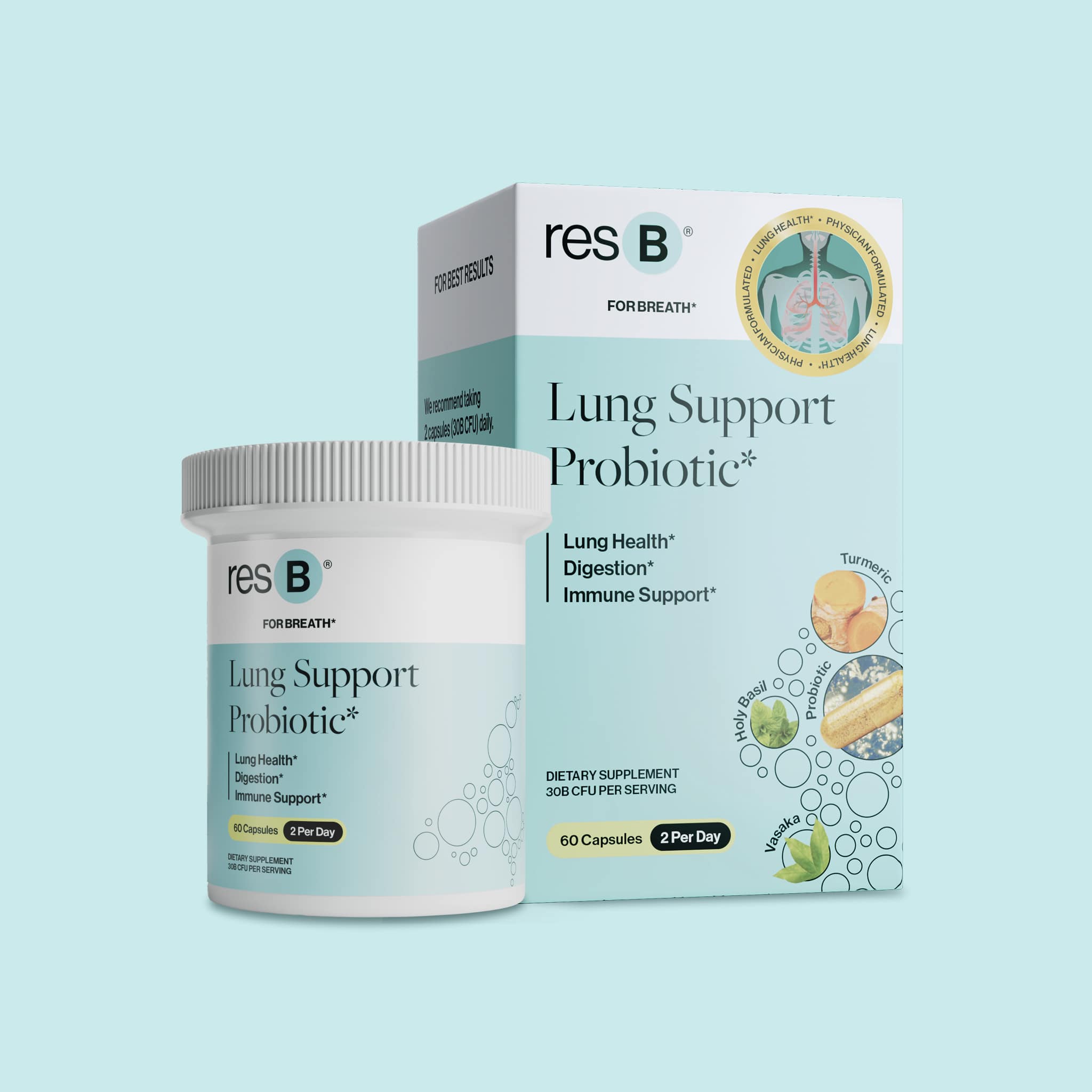
resB® lung support probiotic is a physician-formulated supplement that brings multi-faceted respiratory support
- Turmeric for NF-kB-driven inflammation*
- Vasaka for mucus clearance and bronchial relaxation*
- Holy Basil for immune modulation and adaptogenic stress response.*
It also features three proprietary probiotic strains (L. plantarum RSB11, L. acidophilus RSB12, L. rhamnosus RSB13). These tap into the gut-lung axis, where gut immune signaling directly influences airway health.*
The clinical results speak for themselves - 72% of participants felt as if their lung function got better. 82% noticed quality of life improvement. 100% reported no adverse effects. 30-day money-back guarantee - order now and breathe better in as little as 90 days!*
Frequently Asked Questions
Does holy basil help with coughing?
Yes. Its eugenol content calms overactive bronchial tissue and quiets the inflammation behind the cough.2 Works best for coughs caused by allergies or from breathing in irritants.
How much holy basil should you take per day?
300-600mg of standardized extract per day is the range most studies land in.6 The human immune trial dosed at 300mg twice daily.4 2-3 cups of tulsi tea gets you in that range, just way less practical/convenient.
Should I take holy basil at night or morning?
Doesn't really matter - consistency is what's actually important. Pick whichever time you'll actually remember to stick with every single day.
Related Resources
Lung health vitamins | Best fruits for lungs | Why do I keep coughing?
References
- Huang X, et al. "Anti-inflammatory effects of eugenol on lipopolysaccharide-induced inflammatory reaction in acute lung injury." Int Immunopharmacol. 2015;29(2):370-376. PMID: 25863235.
- Magalhaes CB, et al. "In vivo anti-inflammatory action of eugenol on lipopolysaccharide-induced lung injury." J Appl Physiol. 2010;108(4):845-851. PMID: 20075264.
- Prakash P, Gupta N. "Therapeutic uses of Ocimum sanctum Linn (Tulsi) with a note on eugenol and its pharmacological actions: a short review." Indian J Physiol Pharmacol. 2005;49(2):125-131. PMID: 16170979.
- Mondal S, et al. "Double-blinded randomized controlled trial for immunomodulatory effects of Tulsi (Ocimum sanctum Linn.) leaf extract on healthy volunteers." J Ethnopharmacol. 2011;136(3):452-456. PMID: 21619917.
- Srivastava A, et al. "Potential of hydroethanolic leaf extract of Ocimum sanctum in ameliorating redox status and lung injury in COPD." Sci Rep. 2023;13(1):1256. PMID: 36670131.
- Jamshidi N, Cohen MM. "The Clinical Efficacy and Safety of Tulsi in Humans: A Systematic Review of the Literature." Evid Based Complement Alternat Med. 2017;2017:9217567. PMID: 28400848.
- Eftekhar N, et al. "Ocimum basilicum affects tracheal responsiveness, lung inflammatory cells and oxidant-antioxidant biomarkers in sensitized rats." Drug Chem Toxicol. 2019;42(3):286-294. PMID: 29683006.