





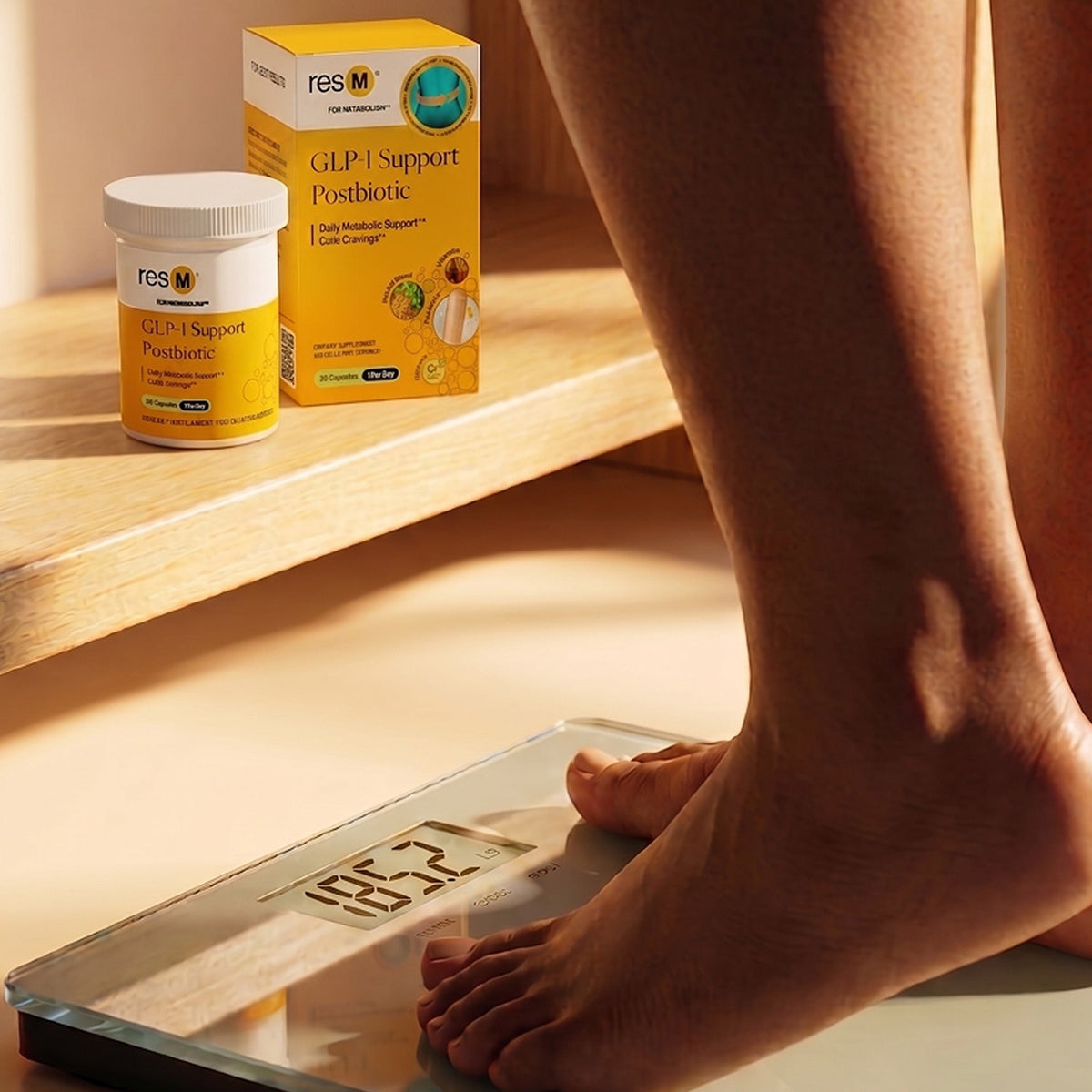



Most people associate vitamin D3 with bone health and immunity - but can vitamin D3 help with weight loss, too? We’re going to pull from the research to show you why this ingredient was specifically included in our r GLP-1 probiotic, resM.*
Vitamin D deficiency is 35% more prevalent in obese people compared to those of a healthy weight.1 That’s not a coincidence, according to the evidence. Vitamin D3 is involved in insulin sensitivity, inflammatory response, and fat metabolism.
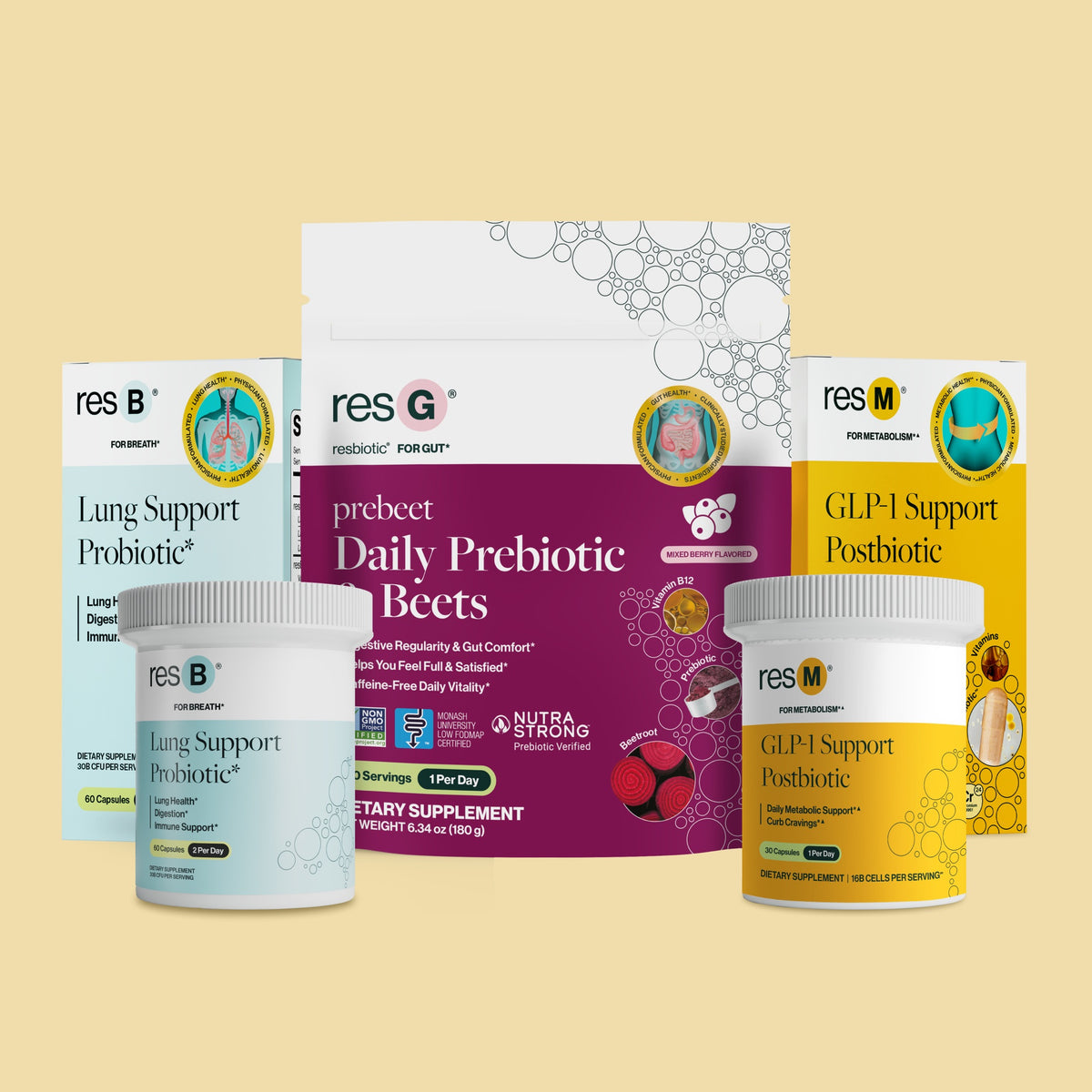
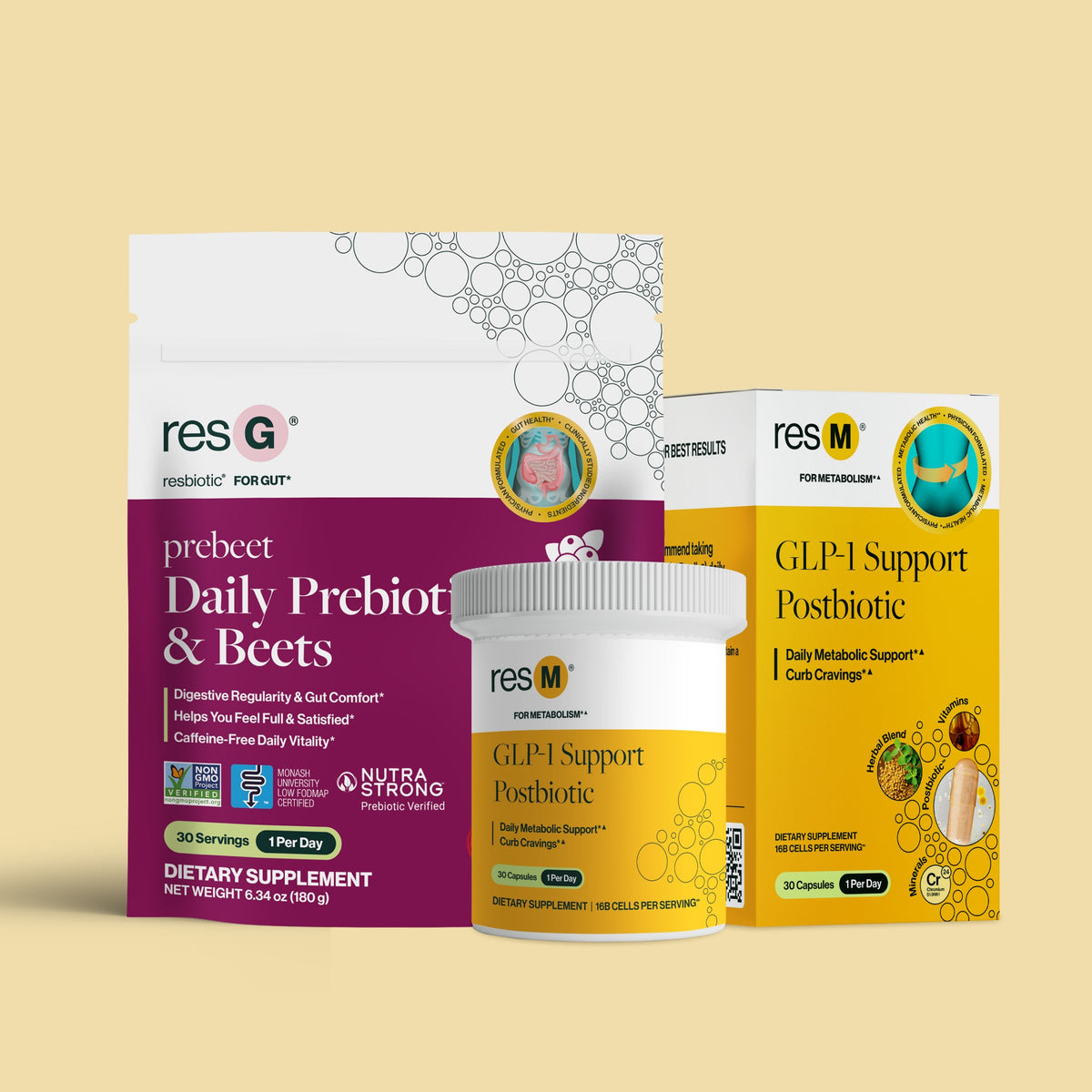
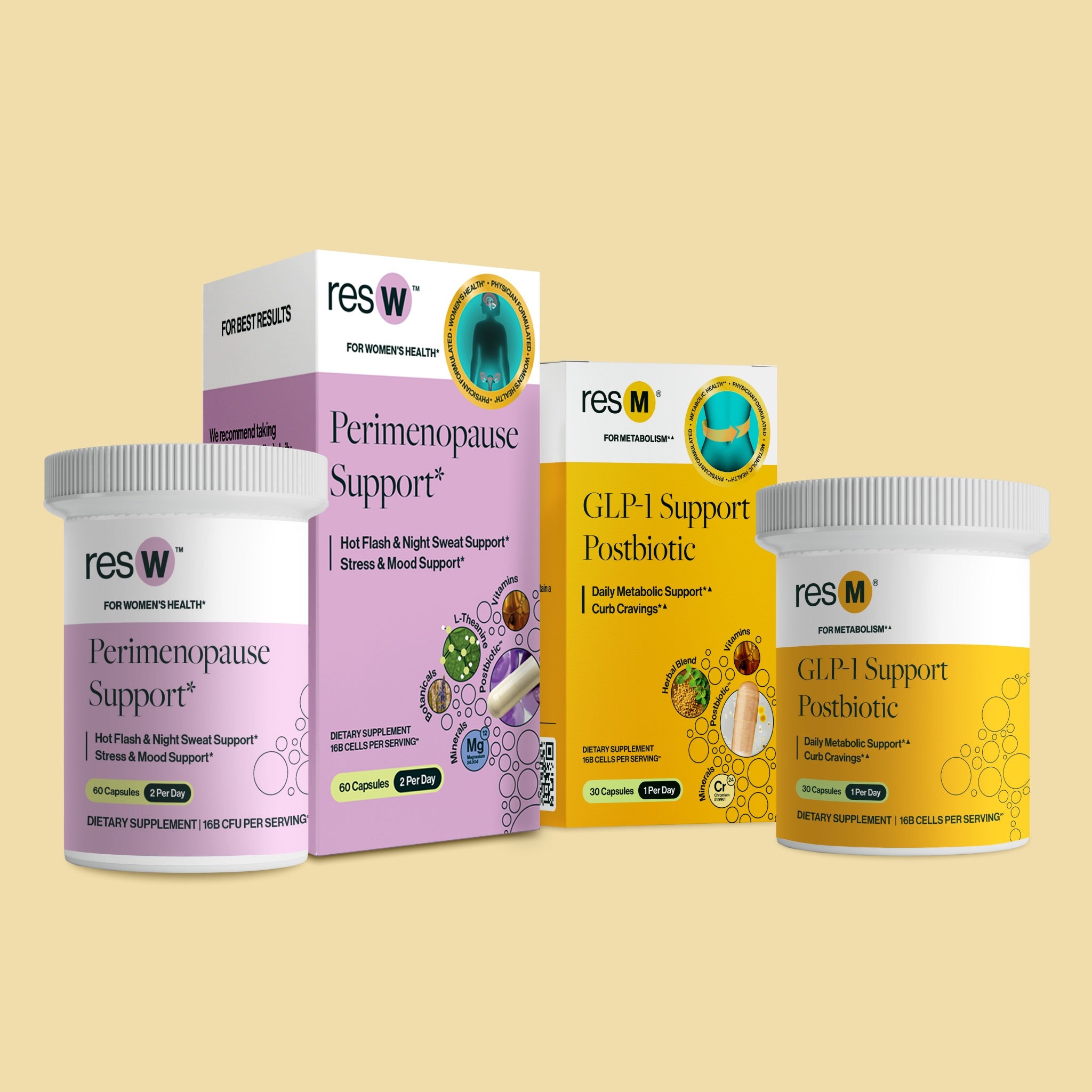
The tricky part is correcting a deficiency since the best form of vitamin D comes from sunlight on your skin, and few foods contain enough bioavailable D to move the needle. A supplement is your best bet, and resbiotic’s resM combines D3 with a postbiotic, chromium, fenugreek, and other clinically studied ingredients to help support healthy weight management, ease cravings, and stabilize blood sugar already in normal range.* Learn more about the science behind vitamin D3 for weight loss below.
Key Takeaways
- Correcting a vitamin D deficiency is correlated with measurable reductions in BMI and waist circumference.2
- Vitamin D3 for weight loss mostly makes a difference in individuals with low baseline levels.3
- D3 (cholecalciferol) is more potent than D2 (ergocalciferol) and thus better for supplementation.4
- Some studies suggest vitamin D3 also helps boost beneficial gut bacteria like Akkermansia.5
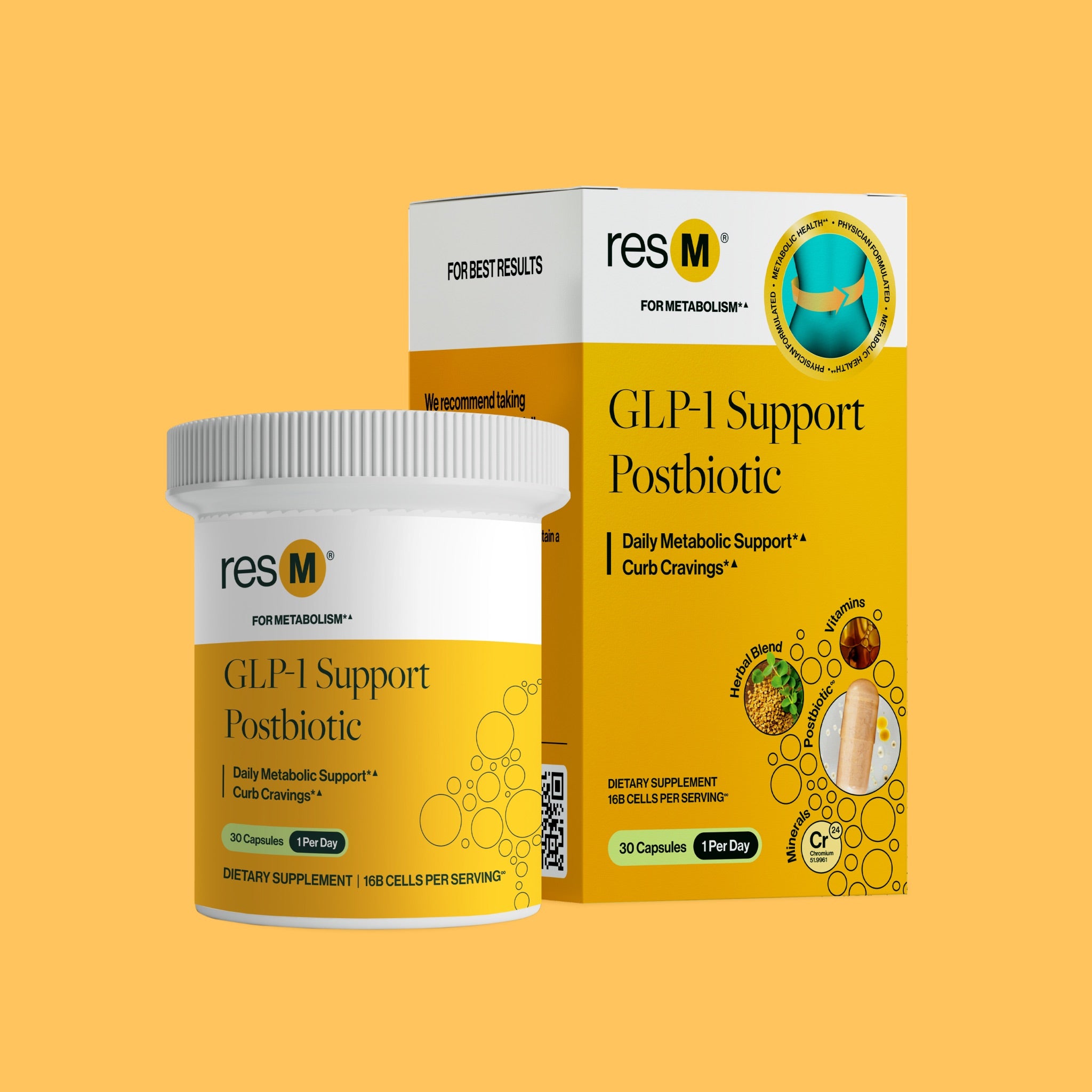
- resbiotic’s resM is a physician-formulated supplement that can help manage cravings for steady weight loss. 11
What Does Vitamin D3 Do?
This fat-soluble vitamin is made within the body when sunlight hits your skin. It’s best known for bone health and supporting calcium absorption. But vitamin D can do so much more. There are vitamin D receptors in fat cells, pancreatic beta cells, immune cells, and most other tissues in the body. That means it can:
- Help pancreatic cells properly secrete insulin by upholding the ideal calcium balance within cells6
- Help calm an overactive inflammatory response 6
- Influence how fat cells store and release energy6
The problem is many people are deficient in vitamin D3 without even knowing it. All of these functions can start degrading when blood levels fall under 20 ng/mL, and deficiency rates are particularly high in those who are overweight.1
Can Vitamin D3 Help With Weight Loss?
There’s clinical research showing the link between vitamin D3 and weight loss, but with a key caveat - it works best in people who are actually deficient. That’s a lot of people, but certainly not everyone.
One analysis showed that vitamin D3 supplementation was able to bring BMI down by 0.32 kg/m² while lowering waist circumference by 1.42 cm.2 Those results are modest, sure, but they came directly from supplementation with no other changes to diet or exercise.
That is to say, the vitamin D3 weight loss results can be amplified with additional lifestyle changes. A randomized controlled trial confirmed this by giving obese, vitamin D deficient adults either 50,000 IU of vitamin D weekly or a placebo. Both groups also followed a calorie-restricted diet for 12 weeks. The vitamin D group lost much more weight and had less inflammation.3
The inflammation side of that study is intriguing. Chronic, low-grade inflammation can hinder fat loss because it gets in the way of insulin signaling and encourages the body to store more fat.
There’s one other study we think you should be aware of if you’re wondering: can vitamin D3 help with weight loss? Supplementing vitamin D3 with calcium led to much greater visceral fat reductions, even when the groups lost a similar amount of weight.7 That’s the type of fat that can be considered dangerous since it wraps around your organs.
How Do Other Forms of Vitamin D Compare For Weight Loss?
We’re talking specifically about vitamin D3 for weight loss, but is vitamin D in general good enough if you’re trying to embark on a weight management journey? Not necessarily. The form does matter.
The only other type of vitamin D you’ll come across is D2. It’s plant-derived, whereas vitamin D3 is animal-derived. The distinction matters because vitamin D3 is up to 87% more potent than D2, leading to much higher levels in the blood.4 One study comparing the two found that D3 was able to produce 2-3x more vitamin D storage at the same dose.8
Should You Get Vitamin D Levels Tested?
The only way to know with any level of certainty that you’re actually deficient in vitamin D is getting your bloodwork done. A simple draw measuring 25-hydroxyvitamin D [25(OH)D] tells you exactly where you stand.
According to the Endocrine Society, anything under 20 ng/mL is deficient. 21-29 ng/mL is insufficient. You want to see the result come back at 30 ng/mL or more.9
Optimal Vitamin D3 Dosage For Weight Loss
The standard daily recommendation for vitamin D is 600-800 IU. But that recommendation is given for general bone health and overall well-being. You may need more if you’re actively correcting a deficiency for weight loss.
There’s not necessarily a one-size-fits-all answer on the ideal vitamin D3 dosage for weight loss, though, because it depends on how much you get from sunlight and diet already - or how deficient you are.
We can tell you that deficient patients took a range of 2,000-4,000 IU daily to reach 30 ng/mL or higher, and that group also ended up with more substantial decreases in weight, BMI, and waist circumference.10
How Can You Get Vitamin D3 For Weight Loss?
One way to get vitamin D naturally is by spending more time outside, letting the sun hit your skin. But there’s no way to really gauge how much vitamin D you actually get through sunlight. And this is not a consistent supplementation strategy because you may not have sunlight year-round where you live. You must turn to diet and supplements to fill in the gap.
Food Sources
There is a relatively short list of foods that contain enough vitamin D3 to actually justify adding them to your diet:
- Fatty fish (salmon, mackerel, sardines): 400-1,000 IU per serving
- Cod liver oil: ~1,360 IU per tablespoon
- Egg yolks: ~40 IU each
- Fortified milk and orange juice: ~100 IU per cup
You can see why diet isn’t the best way to use vitamin D3 for weight loss. You’d have to eat salmon almost every day to get 2,000 IU from food alone.
Supplements
Supplementation takes the guesswork out of how much vitamin D3 you’re actually getting on a daily basis. The reason consistency and measurability matter is because studies have found that higher doses of vitamin D3 are connected to more Akkermansia, a beneficial bacterium linked to healthier metabolism and lower body fat.5
resbiotic’s resM is a great choice if you’re trying to tap into the benefits of vitamin D3 for weight loss because it has not just this vitamin but also vitamin B12, chromium, fenugreek, white mulberry, and a clinically studied postbiotic.*
The physician-formulated supplement is backed by clinical data showing that 97.5% of participants taking resM lost weight during the 8-week study and more than half of participants lost at least 5 pounds.11
Healthy weight management starts in the gut, and resM could be what you need to jumpstart this journey. Learn more about the science behind resM today. You can buy it online or in stores near you.
Frequently asked questions
What vitamin D is best for weight loss?
Vitamin D3, the active form of Vitamin D, is proven to be more potent than vitamin D2 in raising blood levels and correcting a deficiency.4
Does vitamin D3 help lose belly fat?
Yes. One study showed that supplementing with vitamin D3 and calcium at the same time could reduce visceral belly fat better than a placebo, even though both groups lost around the same amount of weight according to the scale.7
What is the best time of day to take D3?
Timing doesn’t matter nearly as much as consistency. You might want to take your daily dose with a meal that includes fat because this vitamin is fat-soluble, though.
Can I get enough vitamin D3 from the sun alone?
It’s rare. It depends on where you live and your skin tone, though. There are parts of the world that don’t get nearly enough sunlight year round for this to be a viable option.
Related Resources
Best supplements for perimenopause belly fat | Byetta vs Ozempic
References
- Pereira-Santos M, Costa PRF, Assis AMO, et al. "Obesity and vitamin D deficiency: a systematic review and meta-analysis." Obesity Reviews. 2015;16(4):341-349. PubMed
- Perna S, Pedrolli C, Cerea K, et al. "Is Vitamin D Supplementation Useful for Weight Loss Programs? A Systematic Review and Meta-Analysis of Randomized Controlled Trials." Medicina (Kaunas). 2019;55(7):368. PubMed
- Lotfi-Dizaji L, Mahboob S, Aliashrafi S, et al. "Effect of vitamin D supplementation along with weight loss diet on meta-inflammation and fat mass in obese subjects with vitamin D deficiency." Clinical Endocrinology. 2019;90(1):94-101. PubMed
- Tripkovic L, Lambert H, Hart K, et al. "Comparison of vitamin D2 and vitamin D3 supplementation in raising serum 25-hydroxyvitamin D status: a systematic review and meta-analysis." American Journal of Clinical Nutrition. 2012;95(6):1357-1364. PubMed
- Charoenngam N, Shirvani A, Kalajian TA, et al. "The Effect of Various Doses of Oral Vitamin D3 Supplementation on Gut Microbiota in Healthy Adults: A Randomized, Double-blinded, Dose-response Study." Anticancer Research. 2020;40(1):551-556. PubMed
- Szymczak-Pajor I, Drzewoski J, Sliwinska A. "The Molecular Mechanisms by Which Vitamin D Prevents Insulin Resistance and Associated Disorders." International Journal of Molecular Sciences. 2020;21(18):6644. PubMed
- Zhu W, Cai D, Wang Y, et al. "Calcium plus vitamin D3 supplementation is associated with decreased abdominal visceral adipose tissue in overweight and obese adults." American Journal of Clinical Nutrition. 2012;95(1):101-108. PubMed
- Heaney RP, Recker RR, Grote J, et al. "Vitamin D3 Is More Potent Than Vitamin D2 in Humans." Journal of Clinical Endocrinology & Metabolism. 2011;96(3):E447-E452. PubMed
- Holick MF, Binkley NC, Bischoff-Ferrari HA, et al. "Evaluation, Treatment, and Prevention of Vitamin D Deficiency: An Endocrine Society Clinical Practice Guideline." Journal of Clinical Endocrinology & Metabolism. 2011;96(7):1911-1930. PubMed
- Bassatne A, Chakhtoura M, Saad R, Fuleihan GE. "Vitamin D supplementation in obesity and during weight loss: A review of randomized controlled trials." Metabolism. 2019;92:193-205. PubMed
- Pala OSK, Nicola T, Madhvacharyula T, et al. An oral heat-inactivated postbiotic increases endogenous GLP-1 and promotes weight loss in adults with overweight or obesity: a randomized placebo-controlled trial. medRxiv. Preprint posted August 3, 2026. doi:10.64898/2026.07.23.26358809