

Amidst the hot flashes and night sweats, the irritability, the brain fog, and all the other symptoms that come with perimenopause, there’s one question women always ask us during this stage of life - what helps with perimenopause weight gain?
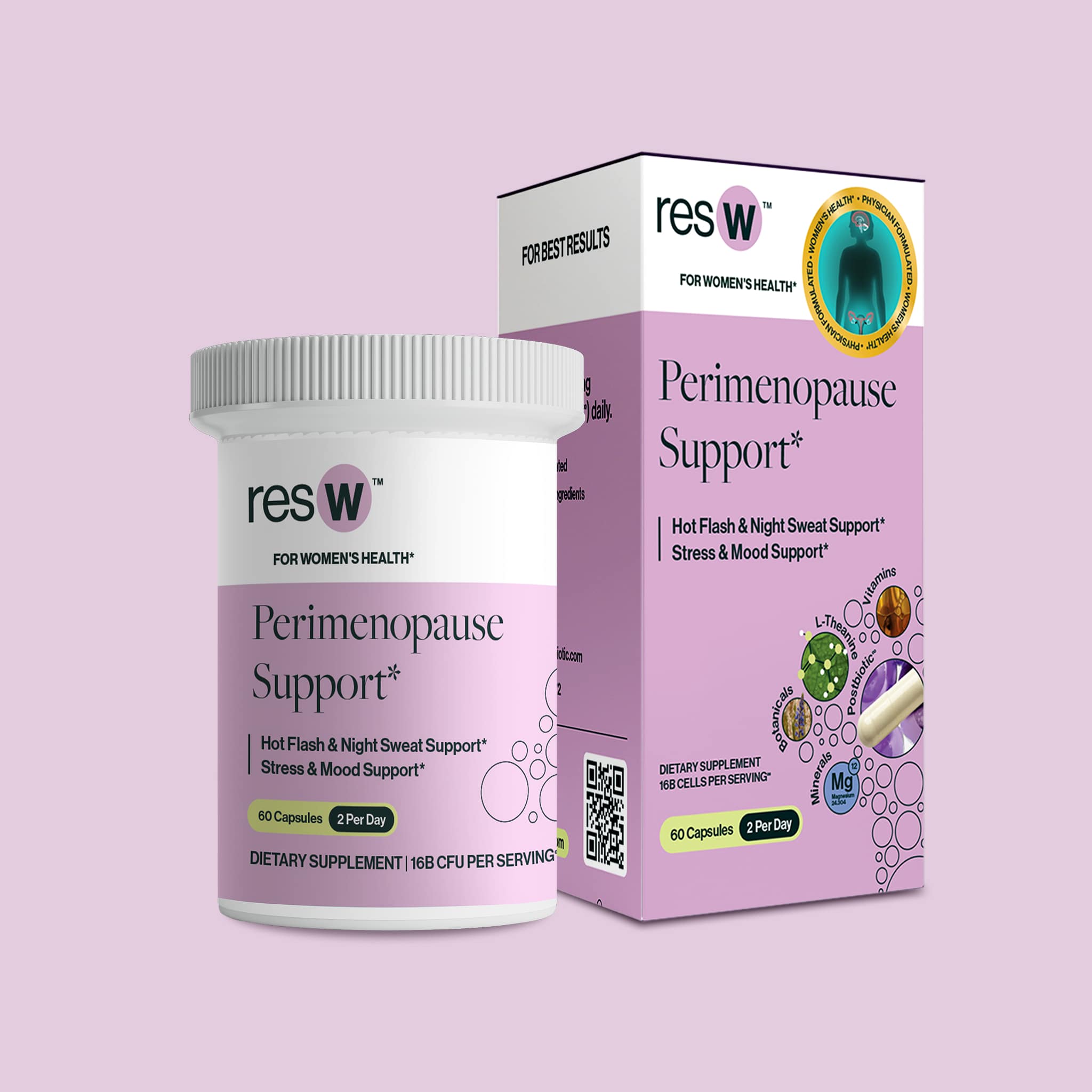
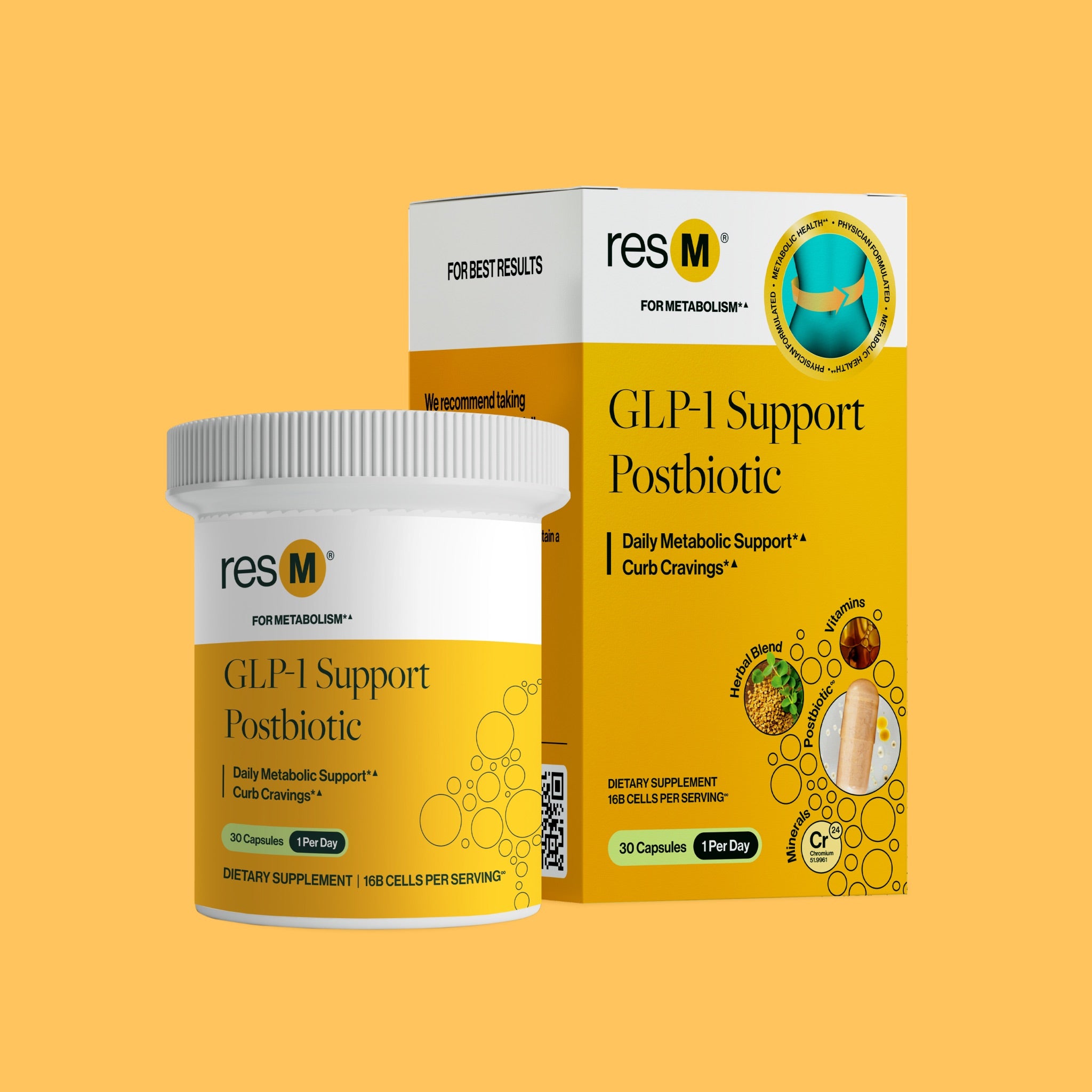
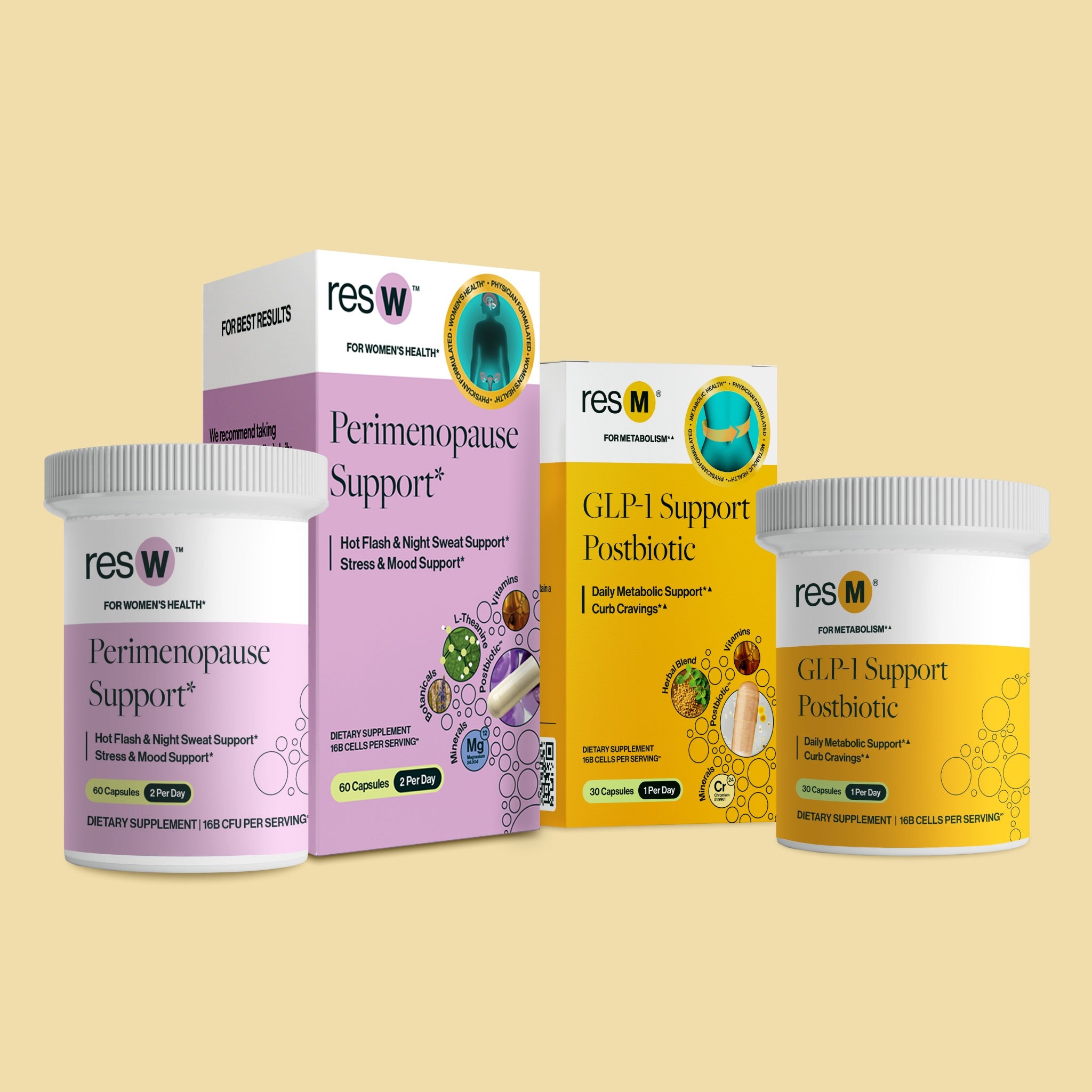
From probiotics/postbiotics to vitamins, magnesium, creatine, protein, and more, we’ve put together this guide to help you uncover the best supplements for perimenopause weight gain. We’ll also share lifestyle adjustments and complementary therapies you can use alongside our resW perimenopause support and resM GLP-1 postbiotic.
“resW didn’t work overnight, but with patience I noticed real progress. It’s worth sticking with.” - Margaret
“This fits easily into my routine. Two capsules and done.” - Angela
“I like that it doesn’t mess with my stomach.” - Janet
Individual experiences may vary, and testimonials reflect personal experiences rather than guaranteed results
Key Takeaways
- Perimenopause brings about a sea of changes as hormones (specifically estrogen and progesterone) start fluctuating.
- Stress, slower metabolism, shrinking muscle mass, lack of sleep, and body fat redistribution all lead to perimenopause weight gain.
- The best supplements for perimenopause weight gain lean on ingredients like postbiotics, vitamins D3 and B12, magnesium, protein, calcium, and more.
- resW is designed to support women during perimenopause by combining time-honored botanicals, essential nutrients, and a clinically studied postbiotic to support gut–hormone communication and metabolic signaling pathways, including those related to GLP-1, sleep quality, and temperature comfort*
What Causes Weight Gain in Perimenopause?
Perimenopause is the stage right before menopause. Estrogen and progesterone start fluctuating, and a cascade of changes throughout the body and mind ensues. A few of these are how your body stores fat, uses insulin, and builds muscle. That’s where perimenopause weight gain becomes such a challenge.
Metabolism can slow to a halt as estrogen dips. Fat storage shifts from other areas of the body towards the midsection (which is where the term “meno belly” comes from).
All the while, sleep disruption, higher stress levels, and appetite changes can make it harder to manage cravings or recover from workouts. You’re exhausted from sleeplessness, so you might not make it into the gym as often (or hit it as hard) as you once did.
Muscle mass begins declining with age as well, so your body burns fewer calories at rest than it did before. All of these factors add up to why your diet and routine can more or less stay the same, but weight management starts feeling impossible.
Other Common Perimenopause Symptoms
Weight changes aren’t the only symptom that pops up for women in perimenopause - there are quite a few others you should brace yourself for if you haven’t felt them already, including:
- Hot flashes and night sweats
- Poor or fragmented sleep
- Mood swings or irritability
- Brain fog or low motivation
- Bloating or slower digestion
- Fatigue or low energy
We know firsthand how overwhelming all of this can be, especially realizing this is your new normal for the next few years. But it doesn’t have to be something you put up with or push through. There are plenty of ways you can support yourself during this transition and make it more comfortable. So, what helps with perimenopause weight gain?
What Helps With Perimenopause Weight Gain?
We want to be clear in saying that real support that makes a lasting change isn’t found in the “best supplements for perimenopause.” It comes from a multi-layered plan.
Yes, supplements can help support easier weight management during perimenopause, but they need to be combined with consistent movement, enough protein, better sleep, and - when needed - guidance from a healthcare professional.
That said, here’s what you’ll find in the best supplements for perimenopause weight gain.
Probiotics and Postbiotics
Probiotics are a powerful way to support weight management because they work through a few different angles. They can help with digestion, minimize bloating, and influence how the body handles blood sugar and inflammation.
A healthier gut environment may help support appetite cues feel clearer and digestion less sluggish.* But while the best probiotics for perimenopause have their place, postbiotics go even further. These are the active compounds beneficial bacteria actually make, and they don’t need to survive digestion to work their magic.
Postbiotic L. plantarum RSB11® in resW encourages stronger gut-hormone communication and stress balance. Both of these connections matter when weight changes can be traced back to stress, sleep disruption, and a stagnant metabolism.*
Vitamins D3 and B12
A great multivitamin is worth adding to your perimenopause weight management regimen, but there are two vitamins in particular we want to highlight.
The first is Vitamin D3, which plays a role in insulin sensitivity and muscle function - two things linked to a healthy metabolism. Low levels of this vitamin are quite common, especially in people who live in areas with low sunlight. Deficiencies can become even more prominent during perimenopause.
The other is Vitamin B12, which helps your body produce the energy necessary to stay active and consistent in your exercise routine. Vitamin B12 can also support nervous system function. It’s one of the best vitamins for perimenopause.
Magnesium
Magnesium is linked to hundreds of biochemical reactions in the body, so it’s no secret that it can help manage weight gain during perimenopause. It supports blood sugar regulation, muscle recovery, and sleep quality.* Poor sleep and high stress can cause weight gain to accelerate, especially around the midsection.
What type of magnesium is best for perimenopause, though? We use magnesium glycinate because it’s really gentle on the digestive system and a highly bioavailable form of magnesium chosen for its role in supporting relaxation, sleep quality, and nervous system balance during perimenopause. It also helps keep you cool, calm, and collected without some of the daytime sluggishness other forms of magnesium are known for.
Protein
Eating more protein isn’t necessarily going to melt belly fat away. But what helps with perimenopause weight gain more than most people think? More muscle mass. Remember, atrophy is normal with age. The less muscle mass you have, the fewer calories you burn at rest.
It’s imperative that you’re consuming enough protein, not just because it helps you preserve (or grow) muscle mass but because this nutrient keeps you feeling full for longer compared to fats and carbs. In this sense, it can help you keep cravings at bay.
Berberine
Berberine has been studied for its role in supporting healthy blood sugar and insulin response.* Some women use it to help manage cravings and energy crashes tied to carb-heavy meals. It’s typically used in the short term and works best alongside dietary changes.
Omega-3 Fatty Acids
Omega-3 fatty acids may help with body composition by supporting muscle recovery and insulin sensitivity. Fatty fish or high-quality supplements are great sources, or you can get your daily needs through a high-quality supplement.
This isn’t just one of the best supplements for perimenopause weight gain. Omega-3 fatty acids play an important role in human health in general. They support metabolic health, ease stiff joints, and even have potential benefits for vision!
Creatine
Creatine may not be the first thing you think about when it comes to what helps with perimenopause weight gain, but it has a similar role to protein. This supplement supports muscle strength and performance, which you know now can decline during perimenopause.*
Don’t worry, you’re not going to get all big and bulky with 5g of creatine a day. You may, however, find yourself recovering faster, feeling more energized, and noticing that weight management becomes a little easier.
Choosing the Right Supplement for Perimenopause Weight Gain
A good supplement for perimenopause weight gain addresses why you’re struggling in the first place. That’s usually slower digestion, shakier blood sugar control, higher stress hormones, and gradual muscle loss. It’s not necessarily a lack of willpower. Look for ingredients with some level of clinical research on how they support gut function, metabolic signaling, and recovery.
It’s easy to want to start researching Zepbound vs Wegovy or Tirzepatide vs Ozempic, but you need to be aware of the side effects and long-term commitment that come with some of these drugs marketed towards women in perimenopause. You need something that works with your lifestyle that you can stick with, and for many women, that’s not a weekly injection.
More Tips on Perimenopause Weight Management
Aside from what helps with perimenopause weight gain from a supplement perspective, the old ages still ring true - move your body every day, manage stress, get enough sleep, and rethink your diet. Here are some parting tips to incorporate alongside your supplements:
- Do strength training two to three times per week to preserve muscle and support metabolism.
- Eat more protein across meals to support satiety and recovery.
- Keep stress in check, since elevated cortisol is closely tied to midsection weight gain.
- Get enough sleep so your metabolism stays steady, you recover well, and you don’t give into late night cravings.
- Consume fiber-rich foods to support digestion and blood sugar balance.
- Stay consistent with movement, even on lower-energy days. A walk around the neighborhood still beats doing nothing.
Pair these lifestyle adjustments with the best supplements for perimenopause and be patient. It won’t happen overnight, but you’ll slowly but surely get back on track before you know it!
Final Words on What Helps Perimenopause Weight Gain
Now that you know what helps with perimenopause weight gain, it’s time to set yourself up for success as you work your way through this next chapter in life. It’s just a matter of supporting the systems that change most during this stage of life:
- Digestion
- Blood sugar control
- Stress response
- Muscle mass
Addressing each of these pieces together makes weight feel a little less stubborn. resbiotic offers science-backed support through formulas like resW, resM, and resG, each designed to support gut-based communication pathways related to metabolism, appetite signaling, stress response, and daily comfort during perimenopause. Explore the full range today.
Frequently asked questions
What supplement supports perimenopause healthy weight management?
The best supplements for perimenopause weight management support digestion, appetite signaling, stress response, and muscle health at the same time. Consider postbiotic-based formulas like resW for multi-faceted support.
How do I stop gaining weight during perimenopause?
There are a lot of things you can do besides turn to supplements. Take a look at your diet, rethink your exercise routine, find healthy ways to manage stress, and get enough sleep.
What role do probiotics play?
Probiotics support digestion and may influence how the body handles blood sugar and inflammation. Postbiotics go a step further because they’re the end result compounds your body actually uses to support gut-hormone communication.
What can I take to lose weight during perimenopause?
Many women use a combination of postbiotics, magnesium, vitamin D, protein support, and metabolic ingredients like berberine alongside lifestyle changes. What helps with perimenopause weight gain in one case may not align with your experience. Be willing to tweak your routine until you find what clicks.
How do I shed belly fat specifically during perimenopause?
Midsection weight is often tied to cortisol, sleep disruption, and insulin sensitivity. So, just follow the science-backed research on what helps with perimenopause weight gain to regain control.