





When you think about what helps sore muscles and joints, you probably assume your best bet is ibuprofen, Tylenol, or some other non-steroidal anti-inflammatory (NSAID). These might provide temporary relief, but they are generally intended for short-term use rather than ongoing daily support.
That’s why our advice on what to take for sore muscles and joints is radically different. You should support the systems involved in healthy joint comfort, recovery, and mobility for longer-term support instead. That means you should consider:
- Postbiotics
- Curcumin
- Bromelain
- Glucosamine
- Chondroitin
- Methyl Sulfonyl Methane (MSM)
- Boswellia Serrata
- Vitamin D
You could also look into collagen, CBD, omega-3 fatty acids, cherry juice extract - the list goes on and on. We’re going to unpack all the natural remedies you can rely on when stiffness and discomfort get in the way of living life to the fullest.
Why Anti-Inflammatory Drugs Aren’t Great for Ongoing Muscle and Joint Soreness
Over-the-counter (OTC) anti-inflammatory drugs block the enzymes involved in inflammation and pain signaling. Sounds great, right? It can be for short-term soreness like a muscle strain or a minor injury. The problems start to creep in when they’re used day after day for stiffness and soreness.
Relying on NSAIDs and other OTC pain relievers can irritate the stomach lining, increase the risk of ulcers, and strain the kidneys. You’re not addressing the root cause of the issue most of the time, either. That’s why you feel rebound soreness when the dose wears off.
These drugs are not designed to rebuild cartilage, support connective tissue, or address the low-grade inflammation, addressing symptoms rather than underlying tissue support. That’s why our advice on what to take for sore muscles and joints is quite different.
What to Take For Sore Muscles and Joints
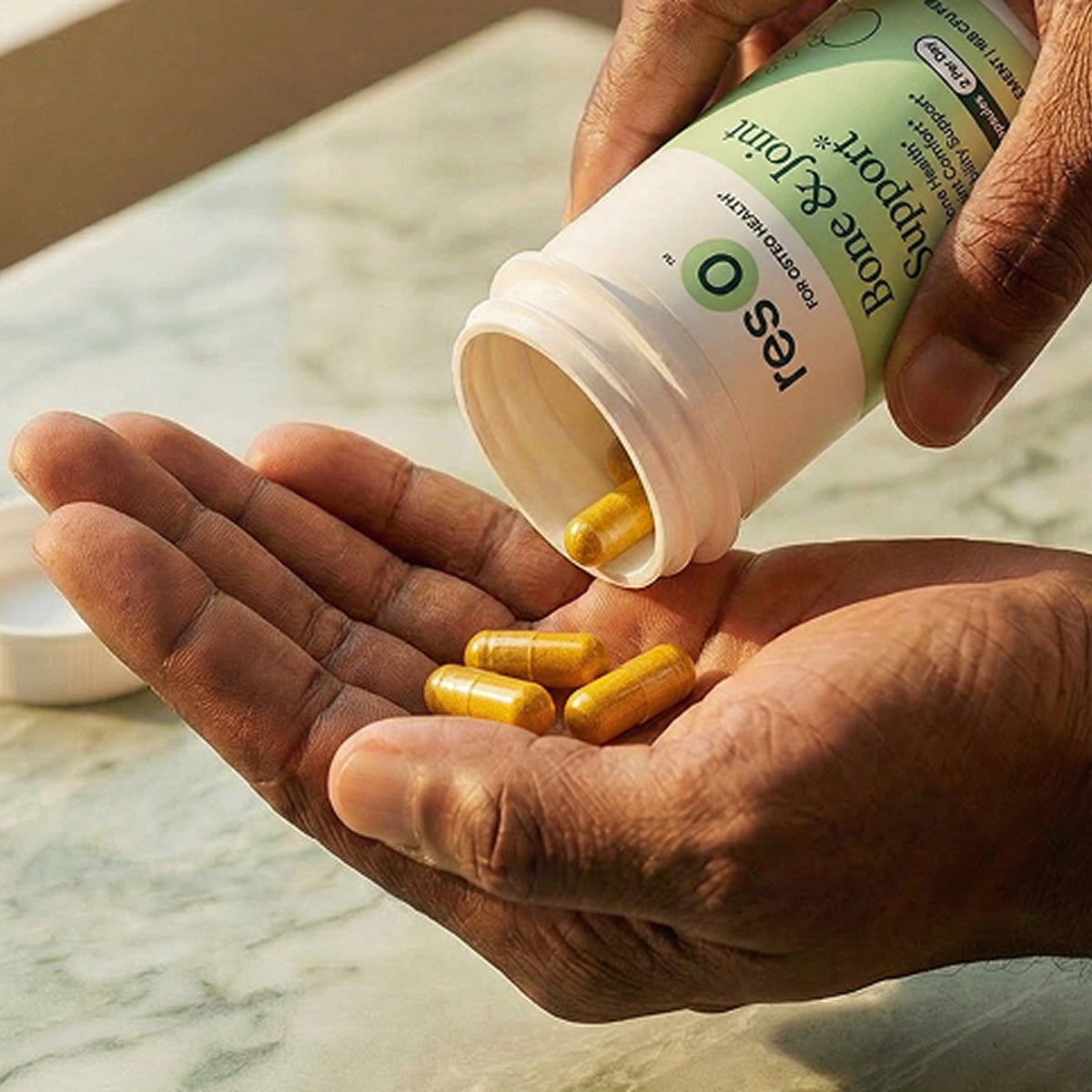
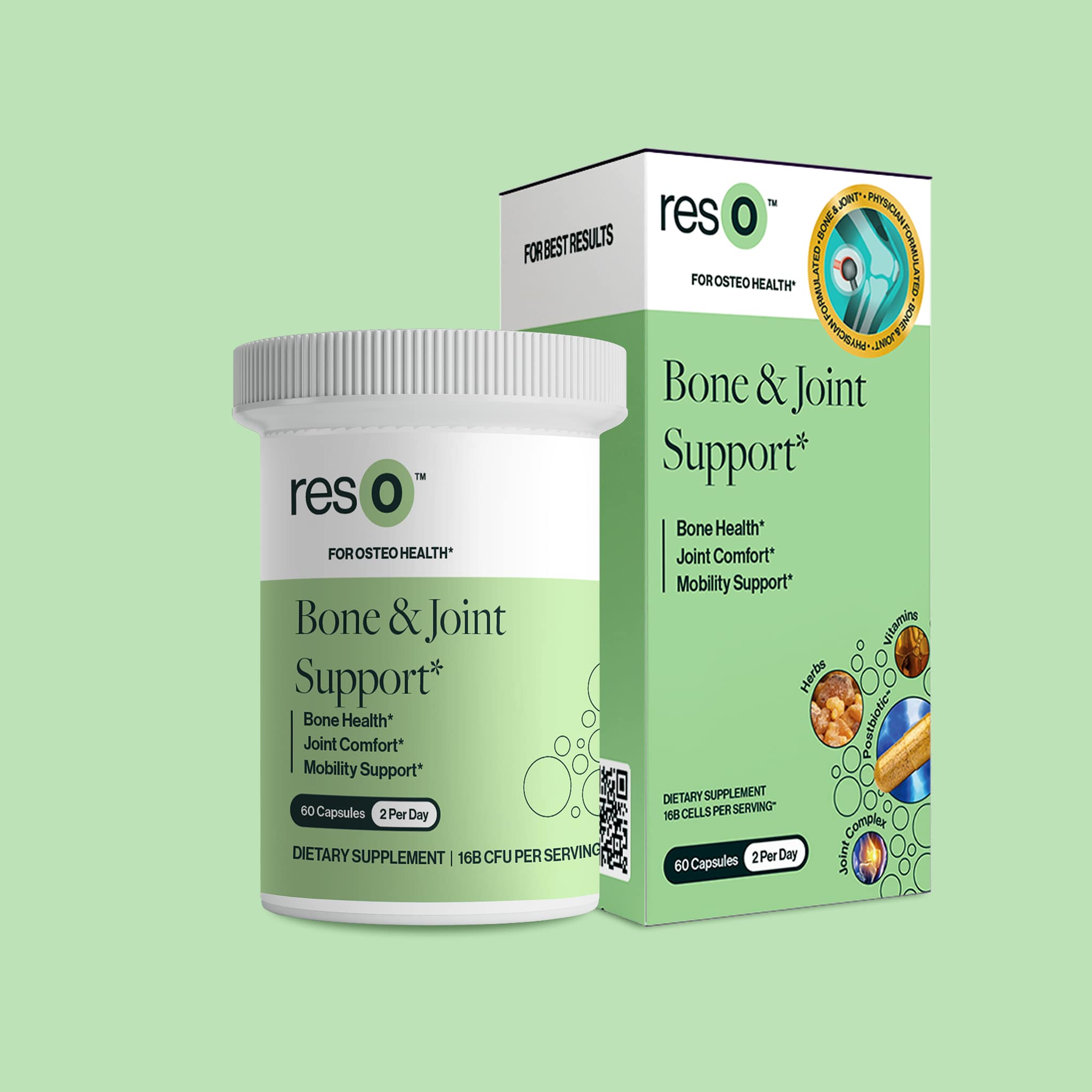
We’ve compiled a list of clinically studied ingredients and supplements that support joint comfort, mobility, and recovery, many of which are brought together in resbiotic’s resO*.
Turmeric / Curcumin
Curcumin is the active compound that makes turmeric so powerful. It’s backed by research showing it may support a healthier inflammatory response, interacting with the pathways involved in oxidative stress.* This is often associated with stiff joints or soreness that lingers longer than it should.
Omega-3 Fatty Acids
This is one of the most popular recommendations you’ll see for what to take for sore muscles and joints. These are derived from fish oil or algae, and they can help support joint discomfort by influencing inflammatory signaling throughout the body over time.
The body doesn’t produce these fats on its own, so you need to get them through diet or supplementation. People who feel aches post-workout in particular could benefit from an omega-3 supplement.
Postbiotics
You’re plenty familiar with probiotics, so what are postbiotics? These are the bioactive compounds beneficial bacteria actually produce. Research continues to show how closely connected the gut is to imbalance, immune response, musculoskeletal comfort, and joint mobility through what is often referred to as the Gut–Bone–Joint Axis.*
One advantage of postbiotics is that they do not rely on survival or colonization to exert their effects. Certain strains, including heat-inactivated forms of L. plantarum, are potentially more effective and efficient.*
Glucosamine and Chondroitin
These two compounds are naturally found in joint cartilage and go hand-in-hand as far as what to take for sore muscles and joints. Here’s the role each plays:
- Glucosamine supports cartilage structure and joint lubrication.
- Chondroitin helps cartilage retain water and absorb impact.
They’re often used together when joint discomfort is linked to aging or repetitive movement (running, weightlifting, etc.). Benefits build gradually, though, so you need to be patient when adding these supplements to your regimen.
Boswellia Serrata
This resin extract has been used to manage joint discomfort for centuries. Its compounds work with the enzymes involved in inflammatory pathways. More specifically, those related to joint stiffness and mobility challenges. It’s pretty similar to curcumin in this sense.
People turn to Boswellia when they want plant-based support without relying on daily anti-inflammatory medications. It’s well-tolerated and can make a difference in how you feel if you’re consistent and give it time.
Bromelain
Bromelain is an enzyme that comes from pineapple. It supports the body’s natural inflammatory response and has a strong reputation for use in easing post-workout soreness.
It is also associated with processes involved in circulation and may even support nutrient delivery as part of recovery.
Cherry Juice Extract
Tart cherry juice is often used for sleep support, but you’ll also see it come up in conversations on what to take for sore muscles and joints. That’s because it has compounds known as anthocyanins, which have a key role in muscle recovery and post-workout soreness.
Athletes often use it to support post-exercise stiffness and manage recovery between workouts. It can be taken as a concentrated extract or juice, but extracts tend to be more practical.
Methyl Sulfonyl Methane (MSM)
This sulfur-containing compound is involved in connective tissue health. It can help when you’re struggling with joint inflexibility or even just discomfort. MSM supports connective tissue comfort and is commonly used alongside glucosamine and chondroitin for joint mobility support. It’s a wonderful complement to glucosamine and chondroitin.
CBD
No guide on what to take for sore muscles and joints would be complete without mentioning CBD, a non-psychoactive cannabinoid derived from hemp that has been widely studied for its role in supporting the body’s endocannabinoid system, a regulatory network involved in balance and stress response.
While CBD is often discussed broadly for a range of wellness applications, emerging research suggests it may support comfort and recovery, particularly when applied topically. Its effects are thought to relate to how the endocannabinoid system helps the body modulate sensations such as tension and discomfort.
CBD is discussed here as a general wellness option and is not an ingredient in resO.
Collagen
Collagen provides amino acids used to support cartilage, tendons, and connective tissue. The problem is, natural collagen production plummets with age. That’s why it’s a great addition to your wellness regimen if you’ve been struggling with lingering soreness and discomfort. It works best when paired with vitamin C so the body can actually use those amino acids.
Vitamin D
It’s not just one of the best vitamins for perimenopause or vitamins for gut health. Vitamin D has been studied for its role in supporting bone strength, muscle function, and immune regulation.
Low levels of vitamin D are quite common since it’s not available in many dietary sources, and people don’t get nearly as much sunlight as they should. It’s no wonder so many people suffer from general aches and muscle weakness!
Topicals vs Oral Supplements
You know what to take for sore muscles and joints - but how you take it matters. There are two main categories you’ll come across as you look for ways to ease discomfort:
- Topical supplements (lotions, balms, soaks): These go directly on your skin wherever you’re struggling with aches and soreness, be it your hips, ankles, wrists, back, or neck. They’re great for targeting a specific area.
- Oral supplements (capsules and powders): These are consumed internally so the good stuff can work throughout your entire body. They don’t just support the areas currently bugging you.
You’ll probably want both in your routine so you can stay ahead of soreness with oral supplements, and help support discomfort when it flares up. Oral supplements like resbiotic’s resO are intended for consistent, daily support rather than immediate, single-use relief*.
Movement is Medicine - So Don’t Forget to Move Your Body!
It can feel counterintuitive, but staying still is only going to make matters worse and prolong your road to recovery. Motion is lotion, movement is medicine - whatever old adage you prefer, it’s true.
Regular movement keeps joints lubricated, supports circulation, and helps muscles recover more efficiently. We’re not telling you to go hard in the gym, either. All it takes is consistency. Walking, a quick resistance training workout, or even playing with the dog/kids can help the body as it ages.
Movement also supports posture and balance, minimizing unnecessary strain on joints over time. Pair consistent exercise with clinically-studied supplements and you’ll feel better before you know it!
Closing Thoughts on What Helps Sore Muscles and Joints
What helps sore muscles and joints most is a combination of smart movement, consistent recovery habits, and ingredients that support healthy inflammatory responses and tissue recovery from the inside out.
It’s not a matter of chasing the latest trend or finding a quick fix. These usually provide super short-term relief or leave you underwhelmed and worse off.
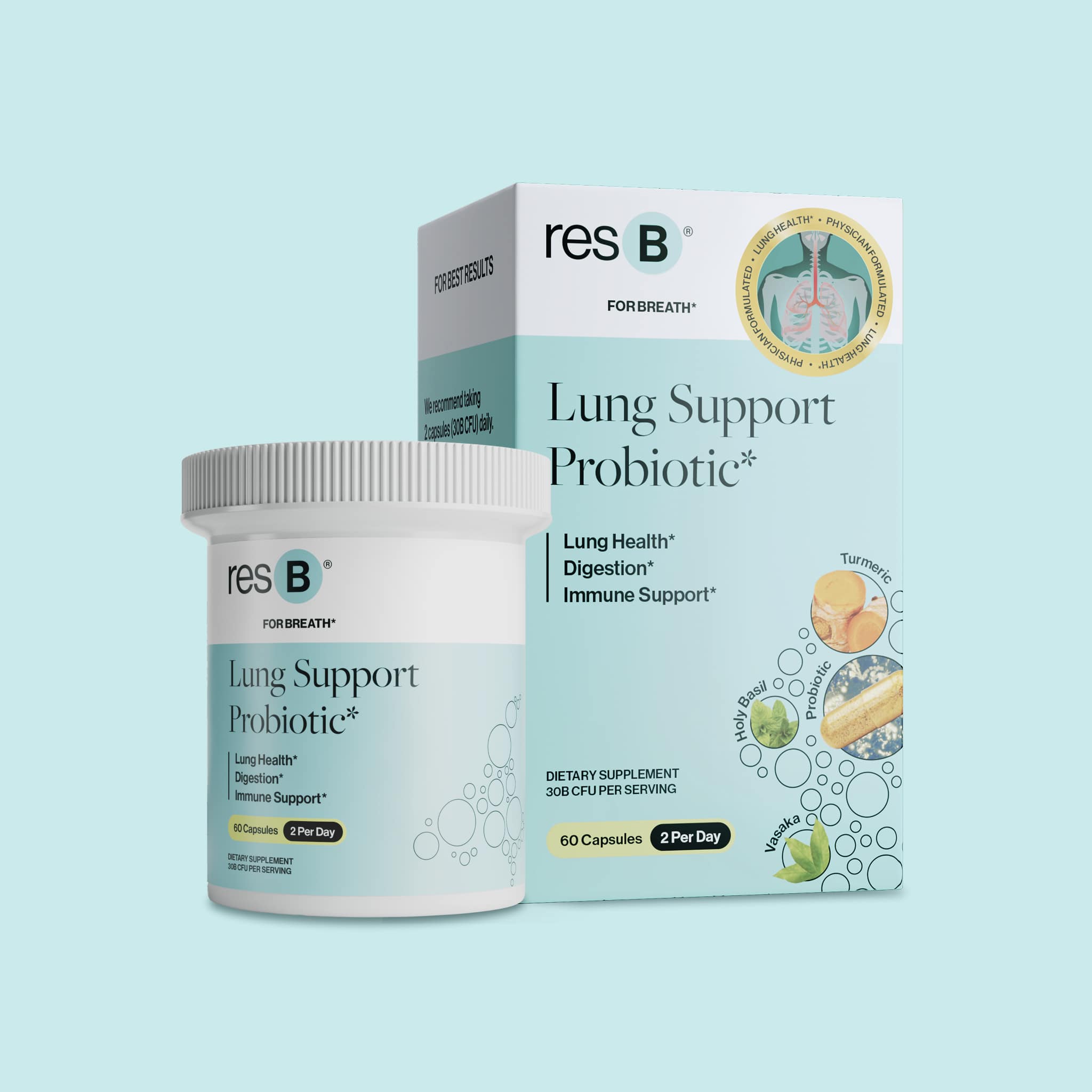
Our blog has more resources on topics like the best lung health supplements, the best supplements for perimenopause, Tirzepatide vs Ozempic, and much more. We’re here to help you take control of your wellness regimen.
The last piece of advice we have on what to take for sore muscles and joints, though, is to try resbiotic’s resO Bone & Joint. This new supplement brings together many of the clinically studied ingredients we talked about above. Learn more about how it works at resbiotic.