

The best vitamins for gut health include Vitamins A, D, and the B complex. But gut health vitamins are just one piece of the puzzle, and there are so many other nutrients you need to encourage a healthy, balanced gut microbiome. You should make sure you're getting probiotics, prebiotics, and more in addition to vitamins for digestive system.
resM is a unique GLP-1 probiotic that contains vitamins D3 and B12 alongside a clinically studied postbiotic, chromium, fenugreek, and white mulberry. 1 capsule a day supports appetite control, weight, and healthy blood sugar already in a normal range for your day ahead.*
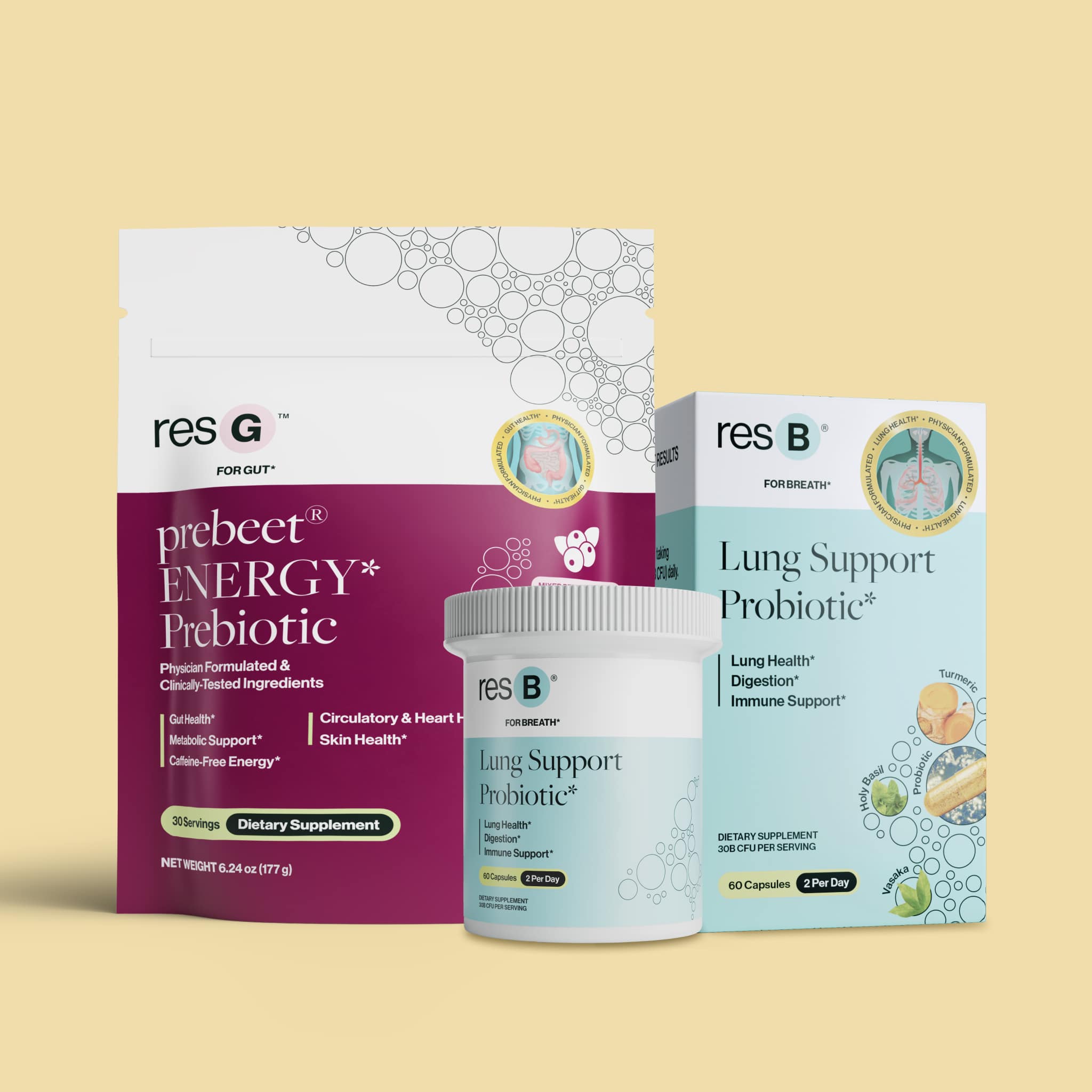
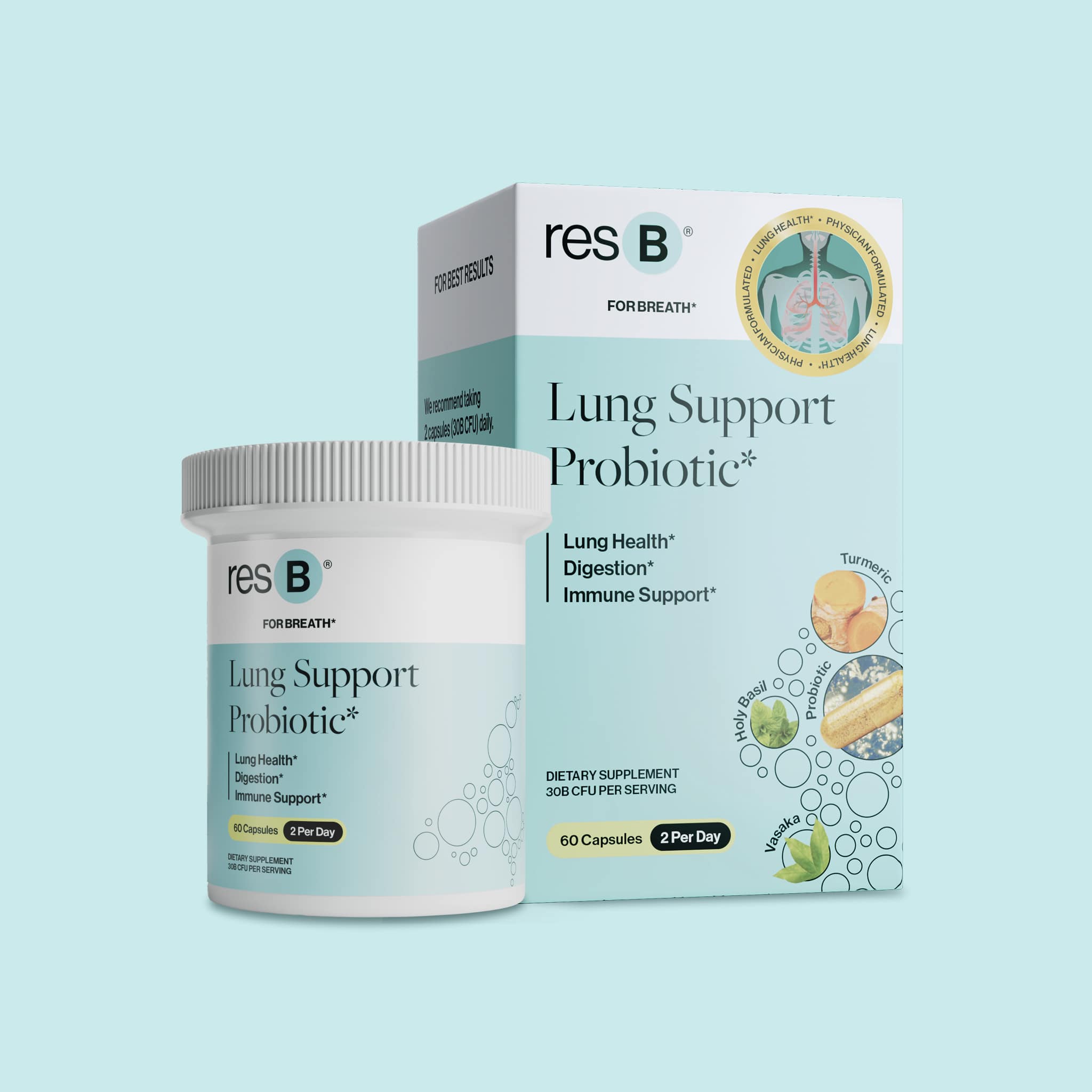
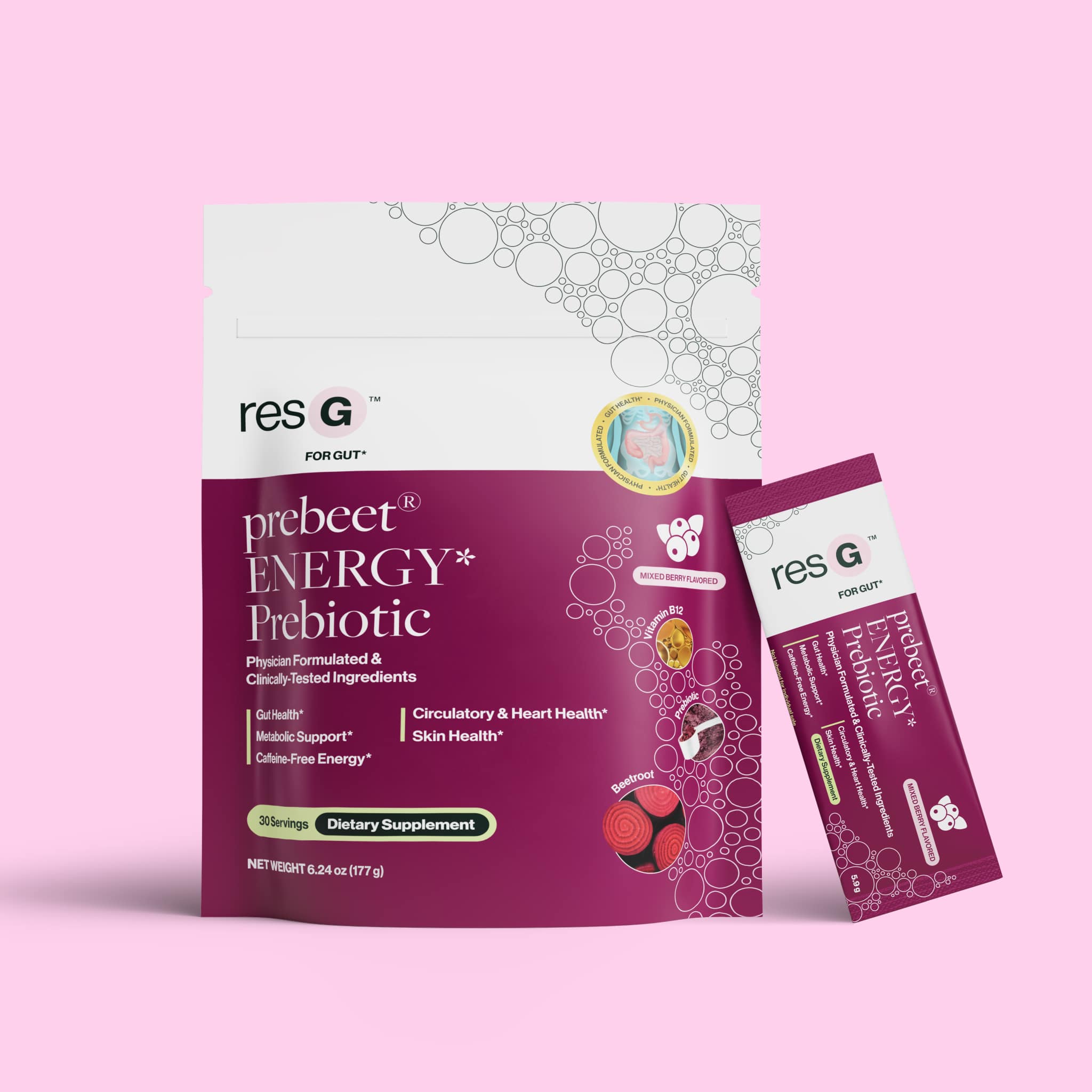
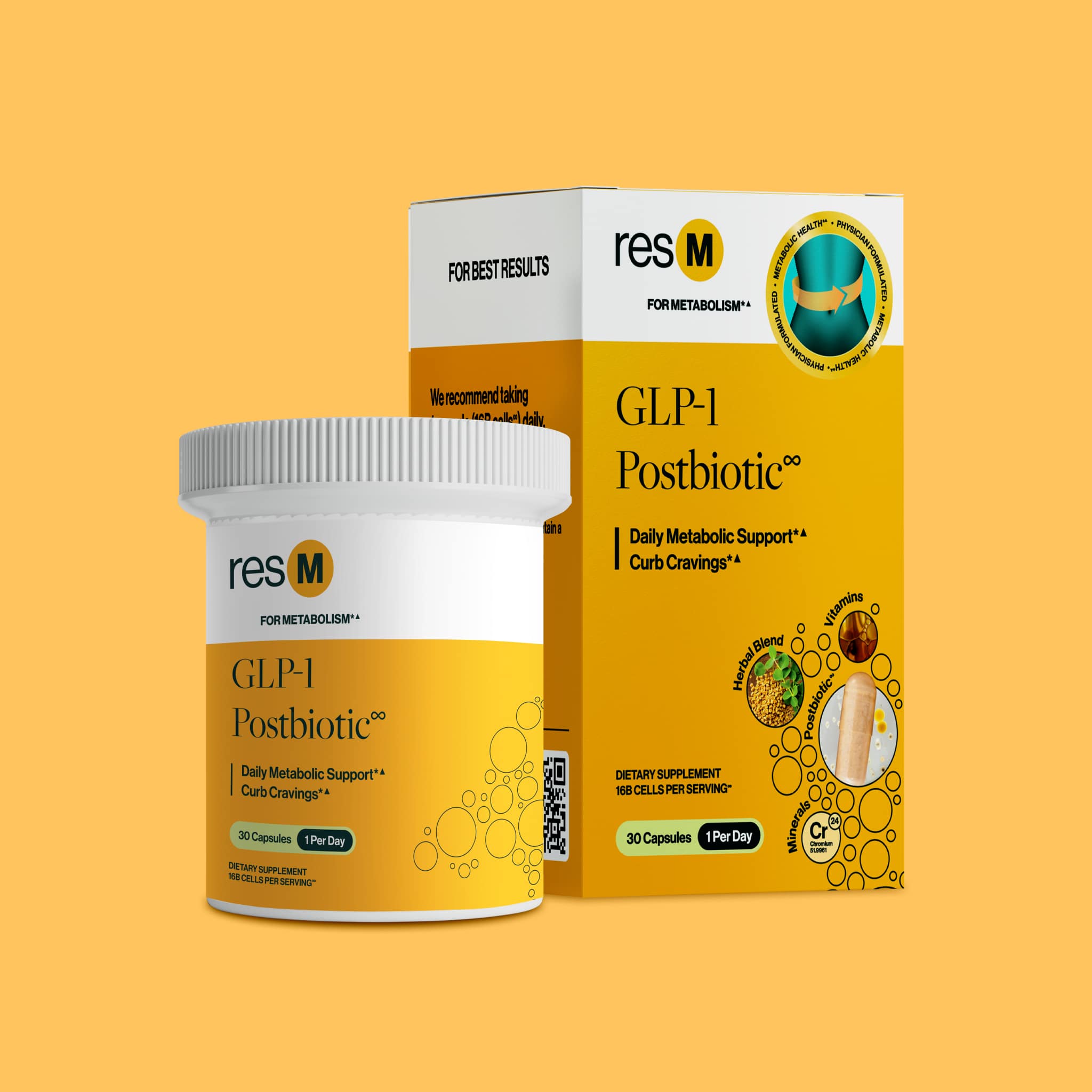
Why Gut Health Matters Beyond Digestion
Your gut not only processes food, but serves as a signaling hub that communicates with nearly every major system in your body. Here are just a few things that the gut touches:
- Immune function: The gut lining houses up to 70% of the body's immune cells, training them to distinguish threats from harmless substances.1
- Brain and mood: The gut-brain axis links intestinal microbes to neurotransmitter production, stress response, and cognitive function.3
- Respiratory health: Immune signals from gut bacteria travel through the gut-lung axis to support a better inflammatory response in airway tissue.4
- Hormones and metabolism: Gut microbes help regulate appetite hormones, insulin sensitivity, and metabolic rate.5
- Nutrient absorption: A weak gut lining can't fully absorb vitamins and minerals, creating a cycle where deficiency worsens the damage slowly but surely over time.
Vitamins for gut health keep these systems working by protecting the intestinal lining, feeding beneficial bacteria, and calibrating immune responses. So what are the BEST vitamins for digestive system health?
What Vitamins Are Good For Gut Health?
Each of these vitamins protects a different piece of intestinal health - lining repair, microbiome composition, immune regulation, or enzyme function. Here are the best vitamins for gut health and what each one does.
Vitamin A
Vitamin A drives supports epithelial cell growth and repair. These cells make up the protective barrier lining your entire digestive tract.6 That barrier weakens when vitamin A levels drop, so harmful substances can make their way into the bloodstream. Vitamin A also regulates gut immune responses, preventing overreaction to substances that aren't actually harmful.
A supplement is the best way to make sure you're consistently getting the vitamins for digestive system support you need, and Vitamin A is no exception. However, you can beef up your internal reserves by eating more sweet potatoes, carrots, spinach, liver, and eggs.
B Vitamins
The B complex consists of eight vitamins, and several are considered the best vitamins for gut health. Each supports a different metabolic or structural function in the digestive tract:
Thiamine (B1)
Converts carbohydrates into energy for the cells lining the GI tract. It also helps food move through the digestive system by supporting muscle contractions (peristalsis).
Riboflavin (B2)
Keeps the digestive tract lining working well through fat metabolism and antioxidant activity. Reduces oxidative stress in gut tissue.
Niacin (B3)
Supports DNA repair and energy production within the gut lining. Also encourages bile and stomach acid secretion for smoother digestion.
Pantothenic Acid (B5)
This coenzyme A component helps synthesize and metabolize proteins, fats, and carbohydrates. It also aids GI tissue maintenance and repair.
Pyridoxine (B6)
Plays a role in protein metabolism and serotonin and norepinephrine production - neurotransmitters that influence gut motility.2 Also helps keep inflammatory responses within the intestinal lining proportionate.
Biotin (B7)
Helps metabolize fatty acids, amino acids, and glucose. It also facilitates cell growth and tissue repair in gut structures.
Folate (B9)
Essential for cell division and DNA synthesis, two things that are critical for the rapid turnover needed within the gut lining. Intestinal lining cells replace themselves every 3-5 days, so folate is one of the gut health vitamins you need enough of at all times.7
Vitamin B12 (Methylcobalamin)
Supports nerve cells in the digestive tract and red blood cell formation. B12 is absorbed in the ileum (the final section of the small intestine), so your body may not fully absorb B12 if your gut is already damaged. This is a vicious cycle where deficiency worsens the problem.8
resM includes B12 in its methylcobalamin form for direct bioavailability.*
Vitamin C
Vitamin C synthesizes collagen, the structural protein that holds the gut lining together.9 It protects digestive tract cells from oxidative damage and improves iron absorption from plant-based foods.
This is one of the easiest vitamins for gut health to get through diet alone. Just eat more citrus, strawberries, bell peppers, and broccoli. It's also one of the more versatile gut health vitamins in the sense that it supports both structural integrity and antioxidant defense at the same time.
Vitamin D
Vitamin D regulates gut immune responses and influences the microbiome composition itself.10 Low vitamin D levels are linked to higher intestinal permeability and lower bacterial diversity - two red flags for poor gut health.
Unfortunately, as many as 42% of US adults are deficient in vitamin D, so supplementation is essential - especially if you don't get enough sun on your skin every single day.11 resM includes D3, the form your body produces from sunlight to close this gap.*
Vitamin E
This fat-soluble antioxidant reaches the gut cell membranes that water-soluble antioxidants like vitamin C can't. It protects membranes from free radical damage and keeps immune activity in the intestinal lining balanced. Nuts, seeds, and vegetable oils are the best ways to get this gut health vitamin.
Prebiotics and Probiotics
Not technically vitamins for digestive system health, but just as important - arguably more so.
Prebiotics are non-digestible fibers that feed beneficial gut bacteria. They help the body produce short-chain fatty acids (SCFAs), compounds that nourish colon cells, strengthen the gut barrier, and regulate immune function.12
Resistant starch, inulin, and fructooligosaccharides are the most studied prebiotic fibers. Akkermansia muciniphila in particular is a beneficial bacterium associated with stronger gut barrier function - you can learn about Akkermansia muciniphila foods in our blog.
On the other hand, probiotics are live beneficial bacteria that directly populate the gut. They maintain microbial diversity, support the intestinal barrier, produce vitamins (including several B vitamins and vitamin K), and compete with harmful organisms for resources.13
Then there are postbiotics - the metabolic byproducts of probiotic activity. These directly deliver functional compounds without forcing live bacteria to survive stomach acid transit. resM uses a postbiotic blend for this reason, paired with vitamins for gut health.*
Minerals for Gut Health
Minerals round out the vitamins for digestive system health - some of the most important are:
- Zinc: Upholds intestinal lining integrity, supports cell division and tissue repair, and plays a direct role in gut immune function. Deficiency = compromised barrier function.14
- Magnesium: Regulates muscle contractions in the GI tract and acts as a cofactor for hundreds of enzymes involved in digestion and nutrient metabolism.
- Iron: Essential for beneficial bacterial metabolism, but be careful. Too much iron can feed harmful bacteria. Balance > quantity.15
- Calcium: Supports enzyme activity, neurotransmission, and muscle contractions in the gut while helping maintain the intestinal lining.
- Chromium: Supports insulin sensitivity and glucose metabolism, fostering a healthier gut environment. resM includes chromium to tap into this metabolic connection.*
How to Get the Best Vitamins for Gut Health Daily
Knowing what vitamins are good for gut health is the first step. Then it becomes a matter of getting them consistently. We suggest a combination of diet and targeted supplementation to cover all your bases.
Food Sources
Whole foods deliver gut health vitamins alongside fiber, phytochemicals, and prebiotic compounds that supplements can't replicate. These are some of the best ways to get gut health vitamins through diet:
- Dark leafy greens (spinach, kale, Swiss chard): These offer folate, magnesium, and fiber to support microbiome diversity and GI motility.
- Fruits: Berries, bananas, and apples deliver vitamins, fiber, and polyphenols - these are some of the best fruits for gut health.
- Fermented foods (yogurt, kefir, sauerkraut, kimchi): Natural sources of live probiotics and, in the case of dairy, calcium and vitamin D.
- Whole grains and legumes: Brown rice, oats, lentils, and chickpeas provide B vitamins and prebiotic fiber that gut bacteria ferment into beneficial SCFAs.
- Nuts and seeds: Vitamin E, magnesium, zinc, and healthy fats are abundant in walnuts, sunflower seeds, Brazil nuts, etc.
Choosing a Supplement
Diet is the foundation, but it rarely covers every gap. It's just not practical to eat ALL the foods you need every single day. You need a supplement to round out your gut health regimen. Three things you need to look for as you start shopping:
- Bioavailable forms: Methylcobalamin (B12) absorbs more efficiently than cyanocobalamin. D3 outperforms D2. The form matters as much as the dose.
- Third-party testing: Independent verification for purity and potency. NSF, USP, or equivalent certification confirms what's on the label matches what's in the capsule.
- Targeted formulation: A supplement designed for a specific health outcome contains ingredients in ratios that work together. A generic multivitamin checks boxes without optimizing for anything.
resM checks every box. It pairs a clinically studied postbiotic with vitamins D3 and B12 in their bioactive forms, plus chromium, white mulberry, and fenugreek - all hand-picked for their roles in metabolic and digestive support.*
The postbiotic blend in resM achieved a 300% increase in GLP-1 hormone production in clinical studies.* Learn more about the science of resM today.
Beyond Vitamins For Gut Health, What Else Can You Do?
The best vitamins for gut health won't move the needle if you're not addressing gut health from every other angle, including:
- Hydration: Water maintains the mucosal lining and keeps waste moving efficiently.
- Exercise: Regular physical activity increases microbial diversity and stimulates gut motility.
- Stress management: Chronic stress disrupts the gut-brain axis, altering motility and bacterial composition.3
- Sleep: Circadian disruption shifts the microbiome toward less favorable bacterial profiles. Consistent sleep and wake times matter as much as total hours.
Final Thoughts on Gut Health Vitamins
The vitamins for digestive system health that matter most are A, the B complex, C, D, and E. Each protects a different aspect of the gut. Layer in prebiotics, probiotics, and minerals like zinc and magnesium to cover the full range vitamins for gut health.
In closing, consistency matters more than perfection. A daily routine that combines whole foods, targeted gut health vitamins, and basic lifestyle habits will do more than a single product or dietary overhaul.
resM simplifies things with just one capsule a day, consisting of clinically studied postbiotics alongside gut health vitamins and minerals. Support both digestive and metabolic health with resM*
Frequently Asked Questions
What are signs of an unhealthy gut?
Bloating, gas, constipation, diarrhea, fatigue, and frequent illness. Skin issues and unexplained mood changes can also clue you into something being off in the gut.
Which vitamins are best for gut health?
Vitamins A, D, and the B complex - especially folate (B9) and B12 - are the best vitamins for gut health for supporting gut lining integrity, immune function, and microbiome balance.
What is the most effective gut health supplement?
resM pairs a postbiotic blend with D3, B12, chromium, fenugreek, and white mulberry.*
Should you take probiotics with GLP-1?
Yes, whether you're on Tirzepatide vs Ozempic, probiotics and postbiotics can complement GLP-1 support by keeping the gut barrier functioning right and encouraging microbial diversity. resM was designed to support natural GLP-1 production through the gut-hormone axis.*
Related Resources
Probiotics for lung health | Herbs for lung health | How to increase Akkermansia
References
- Vighi G, Marcucci F, Sensi L, et al. "Allergy and the gastrointestinal system." Clinical & Experimental Immunology. 2008;153(Suppl 1):3-6. PMC
- Yano JM, Yu K, Donaldson GP, et al. "Indigenous bacteria from the gut microbiota regulate host serotonin biosynthesis." Cell. 2015;161(2):264-276. PMC
- Carabotti M, Scirocco A, Maselli MA, Severi C. "The gut-brain axis: interactions between enteric microbiota, central and enteric nervous systems." Annals of Gastroenterology. 2015;28(2):203-209. PMC
- Dang AT, Marsland BJ. "Microbes, metabolites, and the gut-lung axis." Mucosal Immunology. 2019;12(4):843-850. PMC
- Martin AM, Sun EW, Rogers GB, Keating DJ. "The influence of the gut microbiome on host metabolism through the regulation of gut hormone release." Frontiers in Physiology. 2019;10:428. PMC
- Huang Z, Liu Y, Qi G, et al. "Role of Vitamin A in the Immune System." Journal of Clinical Medicine. 2018;7(9):258. PMC
- van der Flier LG, Clevers H. "Stem cells, self-renewal, and differentiation in the intestinal epithelium." Annual Review of Physiology. 2009;71:241-260. PubMed
- Green R, Allen LH, Bjorke-Monsen AL, et al. "Vitamin B12 deficiency." Nature Reviews Disease Primers. 2017;3:17040. PubMed
- Pullar JM, Carr AC, Vissers MCM. "The Roles of Vitamin C in Skin Health." Nutrients. 2017;9(8):866. PMC
- Yamamoto EA, Jorgensen TN. "Relationships Between Vitamin D, Gut Microbiome, and Systemic Autoimmunity." Frontiers in Immunology. 2020;10:3141. PMC
- Forrest KY, Stuhldreher WL. "Prevalence and correlates of vitamin D deficiency in US adults." Nutrition Research. 2011;31(1):48-54. PubMed
- Koh A, De Vadder F, Kovatcheva-Datchary P, Backhed F. "From dietary fiber to host physiology: short-chain fatty acids as key bacterial metabolites." Cell. 2016;165(6):1332-1345. PubMed
- Hill C, Guarner F, Reid G, et al. "The International Scientific Association for Probiotics and Prebiotics consensus statement on the scope and appropriate use of the term probiotic." Nature Reviews Gastroenterology & Hepatology. 2014;11(8):506-514. PubMed
- Skrovanek S, DiGuilio K, Bailey R, et al. "Zinc and gastrointestinal disease." World Journal of Gastrointestinal Pathophysiology. 2014;5(4):496-513. PMC
- Jaeggi T, Kortman GA, Moretti D, et al. "Iron fortification adversely affects the gut microbiome, increases pathogen abundance and induces intestinal inflammation in Kenyan infants." Gut. 2015;64(5):731-742. PubMed
*These statements have not been evaluated by the Food and Drug Administration. This product is not intended to diagnose, treat, cure, or prevent any disease.