

Whether you’re recovering from a chronic lung issue or you’ve recently decided to quit smoking and are on the road to recovery, these vitamins for lung health can help you breathe easier:
- Vitamin C
- Vitamin D
- Vitamin E
- Vitamin A
- Vitamin B12
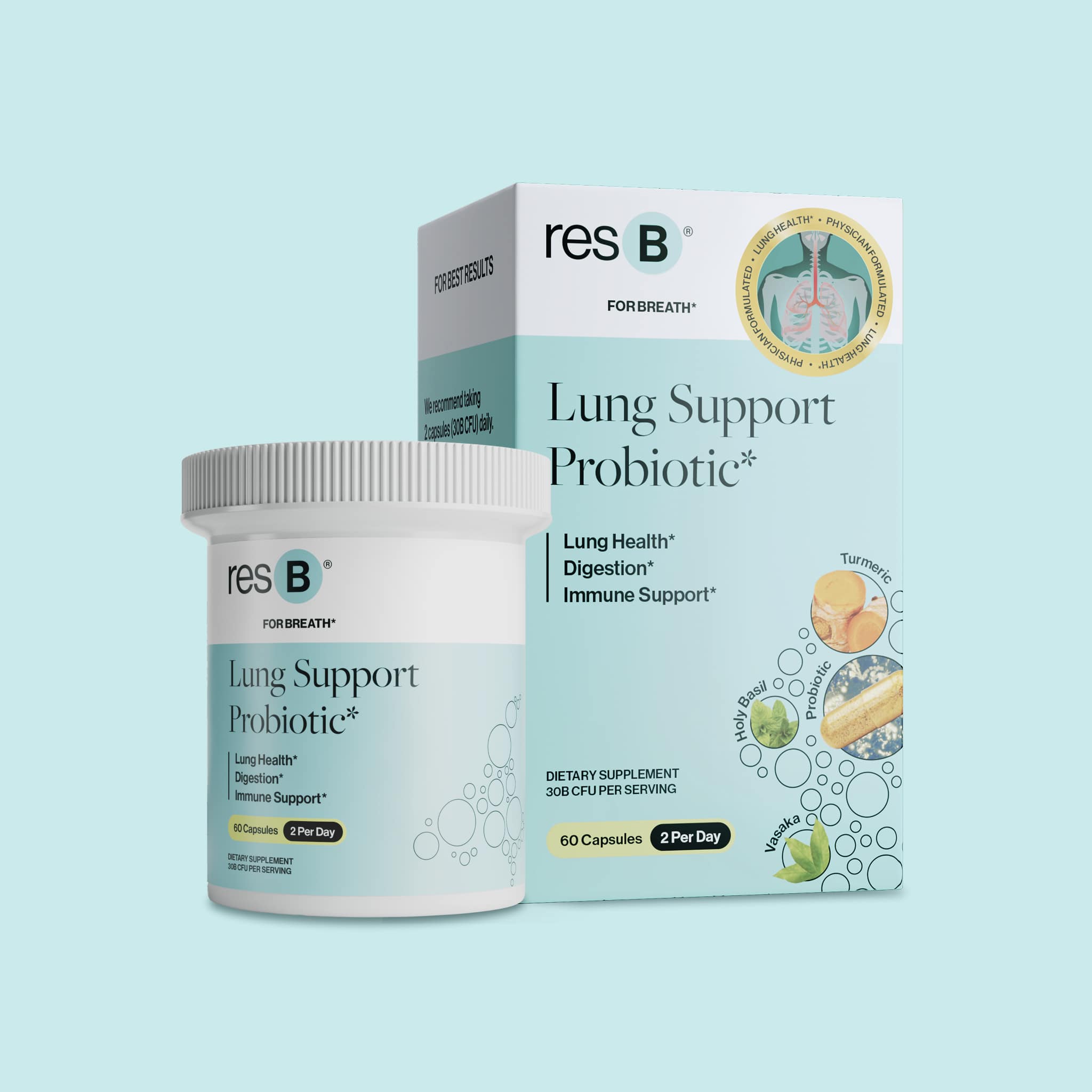
Beyond lung vitamins, though, round out your respiratory regimen with the best probiotics for lungs, lung detox herbs, and other lifestyle changes as well. Our lung support supplement, resB, makes it easy to improve respiratory function from multiple angles. Learn more below!
Top 10 Vitamins For Lung Health
Not all of these are technically vitamins. Some are minerals, amino acid derivatives, or live organisms. But they all have published evidence supporting a role in respiratory function. Here's what the research says about each, along with dietary sources and recommended intakes.
Vitamin C
This water-soluble antioxidant neutralizes free radicals generated by pollution, cigarette smoke, and inflammatory processes in lung tissue. It also supports collagen synthesis - the structural protein that maintains the integrity of pulmonary tissue and airways. The connective tissue framework supporting your lungs weakens without enough vitamin C.
Vitamin C has more evidence than pretty much any other vitamins for lungs repair. A 2021 systematic review found that higher vitamin C intake was linked to better lung function and fewer respiratory symptoms.¹ Separate meta-analysis data suggests a potential inverse relationship between vitamin C consumption and lung cancer risk.²
Dietary sources: citrus fruits, strawberries, bell peppers, broccoli - some of the best fruits for lungs. Adults should aim for 65-90 mg per day.
Vitamin D
Vitamin D regulates immune cells that patrol the respiratory tract, helping calibrate the response to infections without overreacting. Deficiency is common, especially in northern latitudes, and correlates with higher respiratory illness rates.
Research shows ample vitamin D levels may lower respiratory infection risk³ and improve lung function by influencing genes involved in inflammatory pathways.⁴ Vitamin D is one of the first things physicians recommend to people searching for the best vitamin for lung repair after illness.
Your body produces vitamin D from sunlight exposure, and that’s the best way to get it. What if you live in an area with limited sun exposure? Though? Eat fatty fish, fortified dairy, and egg yolks. Aim for 600-800 IU daily.
Vitamin E
Vitamin E protects lung cell membranes from the oxidative damage inhaled pollutants and metabolic byproducts can cause. A study in the American Journal of Respiratory and Critical Care Medicine found that vitamin E supplementation was associated with a lower risk of chronic lung disease.
Key caveat - form matters. Research from Indiana University found that certain forms of vitamin E (gamma-tocopherol, found in soybean and corn oils) could actually make matters worse, whereas alpha-tocopherol has more protective properties.6
So, do your due diligence if you’re buying a supplement. Or, stick with food sources: almonds, sunflower seeds, spinach, broccoli. Recommended daily intake for adults is 15 mg (roughly 22.4 IU).
Vitamin A
Vitamin A maintains the epithelial cells lining your respiratory tract - the physical barrier between your airways and the outside world. In other words, Vitamin A helps repair the damage that infection or irritants can cause.7
Beta-carotene is the plant-based precursor to vitamin A and is particularly relevant to lung health. It converts to active vitamin A on demand, lowering the risk of toxicity from oversupplementation. This is one of the best vitamins for weak lungs after prolonged illness, helping you get back to baseline.
You can get Vitamin A through carrots, sweet potatoes, and leafy greens. Adult men need about 900 mcg per day. Women need 700 mcg.
Vitamin B12
Vitamin B12 helps produce red blood cells, which carry oxygen from your lungs to every tissue in your body. Red blood cells don’t form properly without enough B12, which is known as megaloblastic anemia. This lowers oxygen-carrying capacity and can cause breathlessness and fatigue.8
B12 doesn't directly repair lung tissue. But maximizing the efficiency of every breath matters if your lungs are compromised. That starts with making sure red blood cells can actually do their job. B12 is one of the vitamins for lung health that gets overlooked all the time, but it’s really important.
Consume more B12 by eating meat, eggs, dairy, and fortified cereals. Recommended daily intake: 2.4 mcg for adults.
Probiotics
We know you came here specifically curious about vitamins for lung health, but probiotics support lung health through a pathway known as the gut-lung axis. This communication network means good gut bacteria can send signals that directly affect respiratory immune responses.9
Studies have even shown that certain probiotic strains can modulate inflammatory activity within the lungs themselves, not just the gut.10 Probiotics are an essential pairing alongside lung vitamins.
Probiotics are found in yogurt, kefir, and sauerkraut - but there’s a better way to get enough on a daily basis. You need a supplement with at least 1-10 billion CFU per serving. resB combines three proprietary probiotic strains (L. plantarum RSB11™, L. acidophilus RSB12™, L. rhamnosus RSB13™) with respiratory botanicals to address lung health from the gut side.*
It’s physician-formulated and clinically studied, with 82% of resB users reporting quality of life improvement.* Learn more about the science behind resB today.
Curcumin
Curcumin is the primary active compound in turmeric, and it has a ton of research on both its anti-inflammatory and antioxidant effects in airway tissue. A 2023 review found curcumin beneficial for easing chronic lung conditions because it minimized oxidative stress in the airways.11
There’s no denying curcumin's potential benefit for both acute and chronic respiratory conditions.12 But bioavailability can be a problem, as curcumin absorbs poorly on its own. Black pepper (piperine) or lipid-based delivery systems dramatically improve uptake.
Omega-3 Fatty Acids
EPA and DHA are the two primary omega-3 fatty acids, and they have their place if you’re pondering lung vitamins as well. They help resolve the root cause of imbalance rather than simply suppressing it.
An NIH-funded study found that higher omega-3 intake was associated with better maintenance of lung function over time.13 Omega-3s are especially important if you have an airway condition driven by chronic inflammation. Adding them alongside traditional lung vitamins helps your body better target the root mechanism behind many chronic respiratory symptoms.
This is another one where you can boost intake through diet (salmon, mackerel, sardines, flaxseeds, walnuts) but supplementation tends to be a better idea for most. Recommended intake: 250-500 mg combined EPA and DHA daily.
N-Acetylcysteine (NAC)
This amino acid derivative is a precursor to glutathione - your body's most abundant antioxidant. NAC thins mucus in the lungs by breaking the disulfide bonds that make mucus gel-like.14 That’s why this nutrient shows up in tips on how to remove mucus from the lungs naturally.
Clinical data shows NAC can ease the frequency and severity of flare-ups in chronic respiratory conditions.15 It’s one of the most targeted vitamins for lung health available if you’re dealing with persistent mucus production. Standard dosing for respiratory support ranges from 600-1,200 mg per day, split into two or three doses.
Selenium
Selenium is a trace mineral glutathione peroxidase needs to function properly. In other words, this nutrient supports the enzyme family that protects lung cells from oxidative damage at the cellular level.
Your antioxidant defenses aren’t working their best without sufficient selenium, so lung tissue is more vulnerable to inflammatory damage. Low selenium levels correlate with worse outcomes in respiratory conditions.16
Selenium is found in brazil nuts (one to two per day covers your needs), seafood, and poultry. This is one where you want to be careful about overdoing it, though. Don't exceed 400 mcg as selenium toxicity is possible.
Choosing the Best Vitamins for Lungs Repair
Knowing which vitamins for lung health matter is step one. Step two is finding supplements that actually deliver what the label promises. Here's what separates effective lung vitamins from wasted money.
Supplement Quality and Purity
Third-party testing (NSF, USP, or ConsumerLab certification) gives you total confidence that a supplement has what it claims and nothing harmful. Heavy metals, pesticide residues, and undisclosed fillers regularly show up in products without independent verification.
resB is carefully manufactured in a cGMP facility with FDA-certified suppliers and third-party stability testing.* Trust is a huge part of why it ranks among the best supplements for lungs according to users and experts alike.
Bioavailability
Not all forms of a nutrient absorb the same way, as we touched on above. Remember, vitamin D3 (cholecalciferol) outperforms D2 (ergocalciferol). Similarly, magnesium citrate absorbs better than magnesium oxide. Curcumin needs piperine or a lipid carrier.
We say this to remind you that the form on the label matters as much as the dose when comparing vitamins for lungs repair. The best vitamin for lung repair is the one your body can actually use.
Synergistic Combinations
Some nutrients amplify each other. Vitamin C increases selenium absorption. Vitamin D works with magnesium for immune and respiratory function. Combining the best vitamins for lung health may lead to better results than taking individual ingredients in isolation.
resB is designed with synergy in mind. It pairs probiotics with botanicals that target the same axis to deliver more than the sum of its parts ever could on their own.*
Value Over Price
The cheapest supplement is rarely the best value. A product with poor bioavailability wastes 80% of the dose - so a $15 bottle is essentially a $75 bottle once you account for absorption. Remember, the best vitamins for weak lungs are the ones that actually reach your lung tissue.
More Ways to Support Lung Health
Vitamins for lung health work are just one piece of the puzzle when it comes to respiratory function:
- Avoid smoking and secondhand exposure. This is the single highest-impact change for lung repair.
- Get plenty of cardio exercise, whether it’s walking, cycling, or swimming. Any of these can strengthen respiratory muscles and boost oxygen exchange capacity.
- Air quality management goes a long way. Use HEPA filters, avoid chemical cleaners, and monitor outdoor air quality indexes before exercising outside.
- Drink enough water to keep the airway mucus thin and easier to clear.
- Breathing exercises are worth exploring. Diaphragmatic breathing and pursed-lip techniques improve lung capacity over time.
Our guide on vitamins for gut health covers how gut-directed nutrients influence respiratory outcomes through the gut-lung axis, or you can explore other chronic congestion natural remedies in our blog.
Frequently Asked Questions
What is the best vitamin for lung repair after quitting smoking?
Vitamin C fights the oxidative damage caused by smoking and other pollutants. Vitamin A rebuilds the epithelial lining of the respiratory tract.1,7 Vitamin D helps the immune system recalibrate once you stop smoking.3 We’ve listed all the best vitamins for weak lungs above.
Can vitamins for lung health replace an inhaler or medication?
No. Lung vitamins support respiratory function and may reduce symptom frequency over time, but they don’t replace prescribed treatments for asthma, COPD, or other diagnosed conditions.
How long does it take for vitamins for lungs repair to show results?
4-8 weeks of consistent use before seeing measurable changes in respiratory function is common. Antioxidants like vitamin C and NAC may improve subjective symptoms (easier breathing, less mucus) sooner, but the best vitamin for lung repair works slowly over time.
Is resB a good option for people looking for the best vitamins for weak lungs?
Yes. resB targets lung health through the gut-lung axis by combining probiotics with vasaka, turmeric, and holy basil rather than traditional vitamins.* It's complementary to the vitamins for lung health listed above, not a replacement for them. Physician-developed, clinically studied, designed for daily use.*
References
- Alqahtani JS, Aldhahir AM, Oyelade T, et al. "Relationship between vitamin C intake and lung function." Nutrients. 2021;13(10):3352. PMC
- Huang J, Weinstein SJ, Yu K, et al. "Relationship between vitamin C intake and lung cancer: a dose-response meta-analysis." Inflammopharmacology. 2023;31(1):195-208. Springer
- Bergman P, Lindh AU, Bjorkhem-Bergman L, Lindh JD. "Vitamin D and respiratory tract infections: a systematic review." PLoS One. 2013;8(6):e65835. PMC
- Zosky GR, Berry LJ, Elliot JG, et al. "Vitamin D deficiency causes deficits in lung function and alters lung structure." American Journal of Respiratory and Critical Care Medicine. 2011;183(10):1336-1343. PMC
- Marchese ME, Kumar R, Colangelo LA, et al. "The vitamin E isoforms alpha-tocopherol and gamma-tocopherol have opposite associations with spirometric parameters." Respiratory Research. 2014;15:31. PMC
- Indiana University School of Medicine. "Types of Vitamin E consumed by children linked to lung function." 2020. IU Medicine
- Biesalski HK, Nohr D. "Importance of vitamin-A for lung function and development." Molecular Aspects of Medicine. 2003;24(6):431-440. PubMed
- Guralnik JM, Eisenstaedt RS, Ferrucci L, et al. "Prevalence of anemia in persons 65 years and older in the United States." Blood. 2004;104(8):2263-2268. PubMed
- Dang AT, Marsland BJ. "Microbes, metabolites, and the gut-lung axis." Mucosal Immunology. 2019;12(4):843-850. PMC
- Chunxi L, Haiyue L, Yanxia L, et al. "The gut microbiota and respiratory diseases: new evidence." Journal of Immunology Research. 2020;2020:2340670. PMC
- Lelli D, Sahebkar A, Johnston TP, Pedone C. "Curcumin use in pulmonary diseases: State of the art and future perspectives." Pharmacological Research. 2017;115:133-148. PMC
- Biswas S, Rahman I. "Modulation of steroid activity in chronic inflammation: a novel anti-inflammatory role for curcumin." Molecular Nutrition & Food Research. 2008;52(9):987-994. PubMed
- National Institutes of Health. "Omega-3 fatty acids appear promising for maintaining lung health." NIH News Release. NIH
- Mokhtari V, Afsharian P, Shahhoseini M, et al. "A Review on Various Uses of N-Acetyl Cysteine." Cell Journal. 2017;19(1):11-17. NCBI Bookshelf
- Cazzola M, Calzetta L, Page C, et al. "Influence of N-acetylcysteine on chronic bronchitis or COPD exacerbations." European Respiratory Review. 2015;24(137):451-461. ERR
- Rayman MP. "Selenium and human health." The Lancet. 2012;379(9822):1256-1268. PMC
*These statements have not been evaluated by the Food and Drug Administration. This product is not intended to diagnose, treat, cure, or prevent any disease.