




It’s your favorite time of the year - the kids are going back to school. But while that means you have more time on your hands, it also means they’re going to bring back all sorts of germs into your home.
Children in school and daycare notoriously bring respiratory illness back to their parents at home.1 Not to worry, we’re going to introduce 7 back-to-school immune support supplements that can help you stay resilient all year round.
We think you’ll be interested to learn about the gut-lung axis, a direct line of communication between your microbiome and respiratory system, that can influence how well your body handles incoming pathogens.2
Learn more below, including why resbiotic’s resB is the #1 solution for bracing for back-to-school season.
Key Takeaways
- Research shows kids can bring respiratory illness and other forms of sickness back to the home. 1
- Turmeric, holy basil, and probiotics all have clinical evidence supporting immune and respiratory function.*
- Vitamin D can cut the risk of respiratory infection by up to 70% in deficient individuals.3
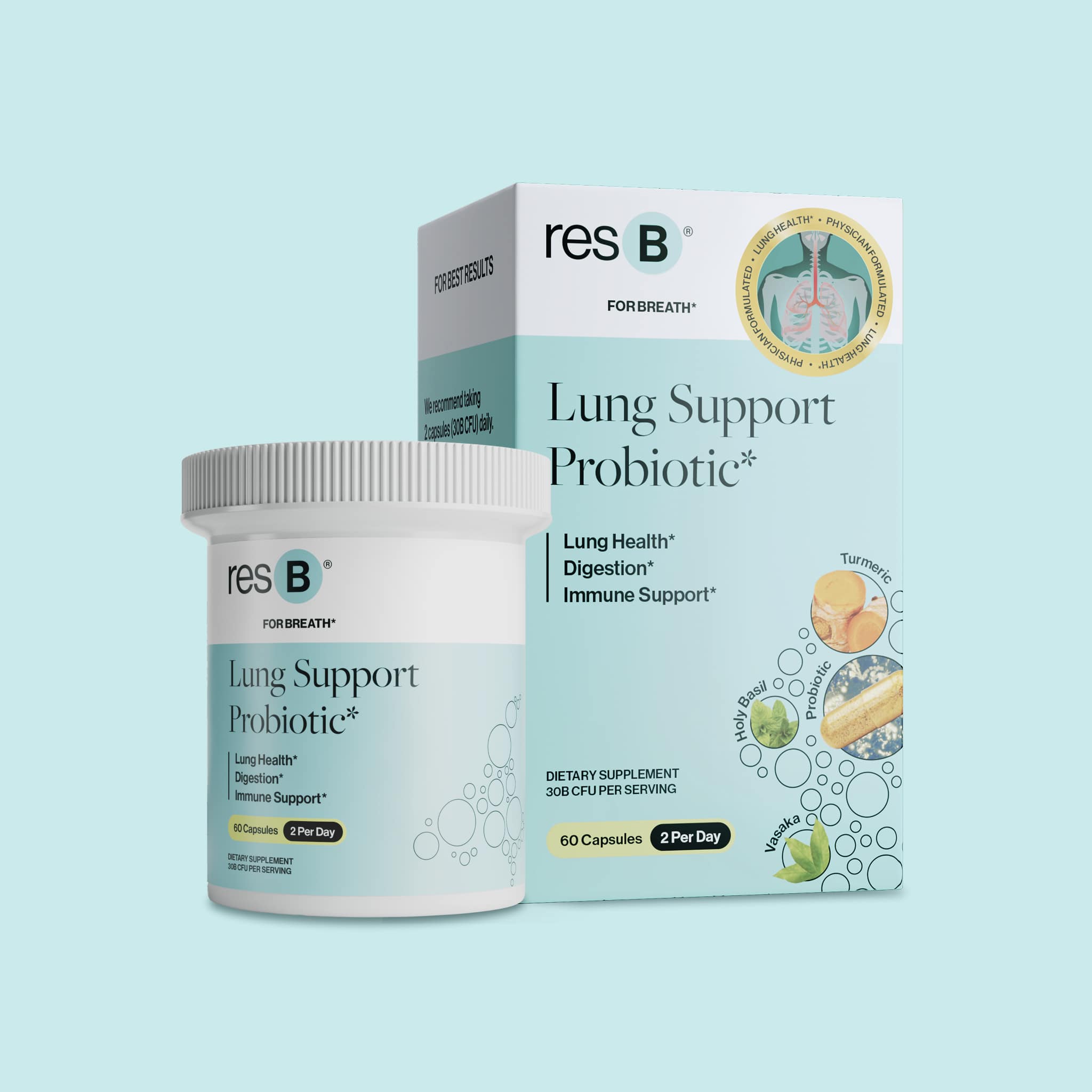
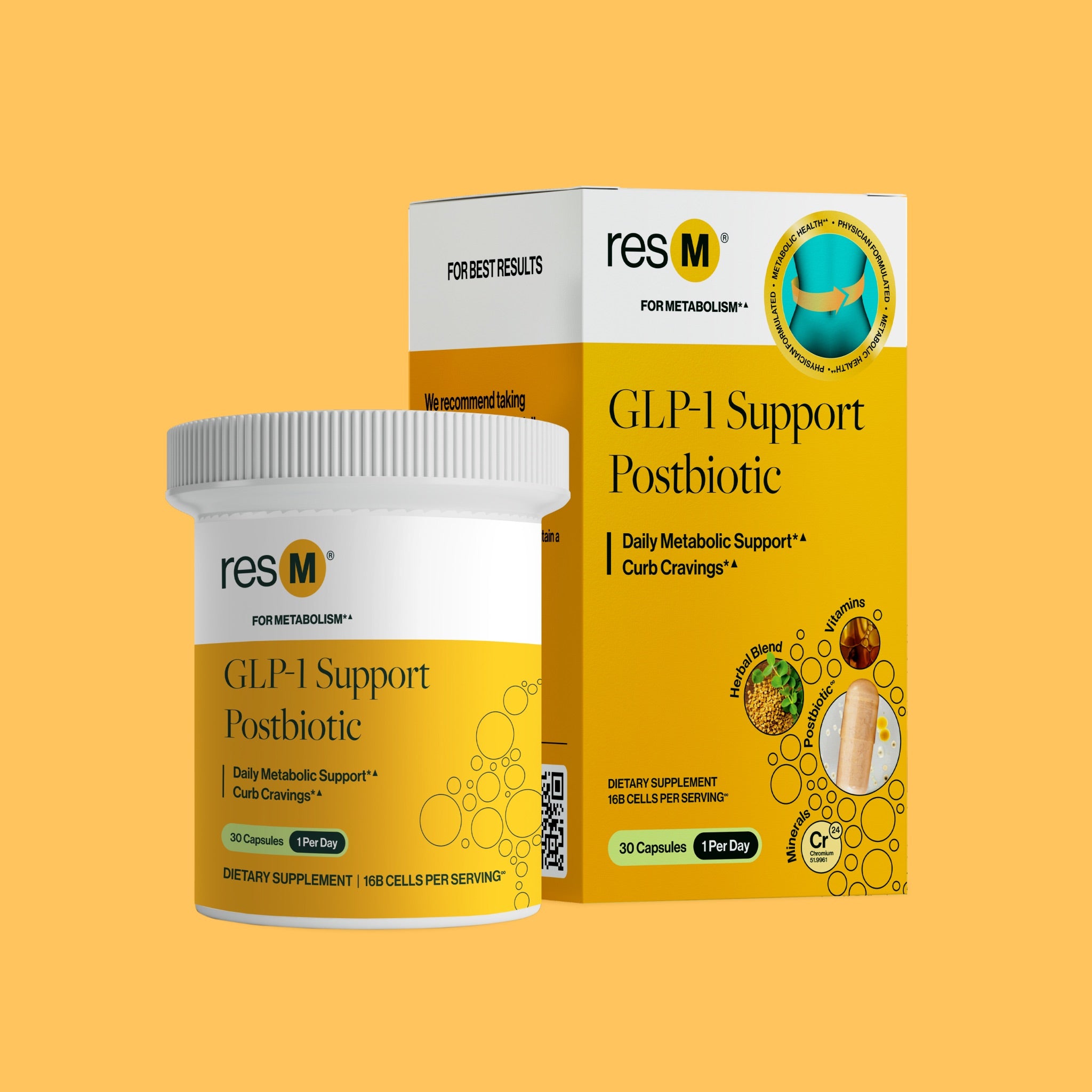
- resB is a physician-formulated lung support supplement that can help bolster immunity.*
- Supplements work best alongside sleep, nutrition, hydration, and good hygiene.
Can You Really “Boost Immunity” Before Back-to-School Season?
We see the term “immune boosting” used very loosely. It’s not as if your immune system is a dial you can crank up or down. It’s a massive network of cells, signaling pathways, and physical barriers throughout the body.
You CAN support that system by giving it the resources it needs, though. A well-functioning immune system is better able to identify threats and mount a swifter, stronger response - essentially resolving infections before they fully take hold.
But it’s not as simple as taking any immune gummy you can get your hands on, or doubling up your multivitamin. A lot of supplements get overhyped with no real evidence behind their immune-bolstering properties. We handpicked the best back-to-school immune support supplements below.
7 Back-to-School Immune Support Supplements
You don’t need to add every supplement below to your wellness stack. You might only need to pick one supplement that contains a few of them. But each of these has evidence supporting its role in bolstering immunity as the kids go back to school.
1. Turmeric
The active compound in turmeric is curcumin. It can support a healthier inflammatory response, lowering three relevant markers associated with immune impairment (CRP, TNF-alpha, and IL-6). Your immune cells get stuck fighting background noise instead of real threats when the inflammatory system is in constant overdrive.4
2. Holy Basil
Holy basil is also known as tulsi. This is one of the few botanicals with legitimate evidence showing it can change immune cells in healthy humans.
300mg per day for four weeks led to substantially more IFN-gamma, IL-4, T-helper cells, and natural killer cells - all of which are on the front lines defending your body against viral infections.5
3. Probiotics
You probably associate probiotics with gut health, so what makes them one of the best back-to-school immune support supplements? Well, as much as 70% of the immune system lives in the gut - and there’s ample research showing probiotics can directly improve immune function.
Probiotics were able to reduce upper respiratory infection rates by 24%, shorten episodes by over a day, and lower the need for antibiotic prescriptions and cold-related school absences.6
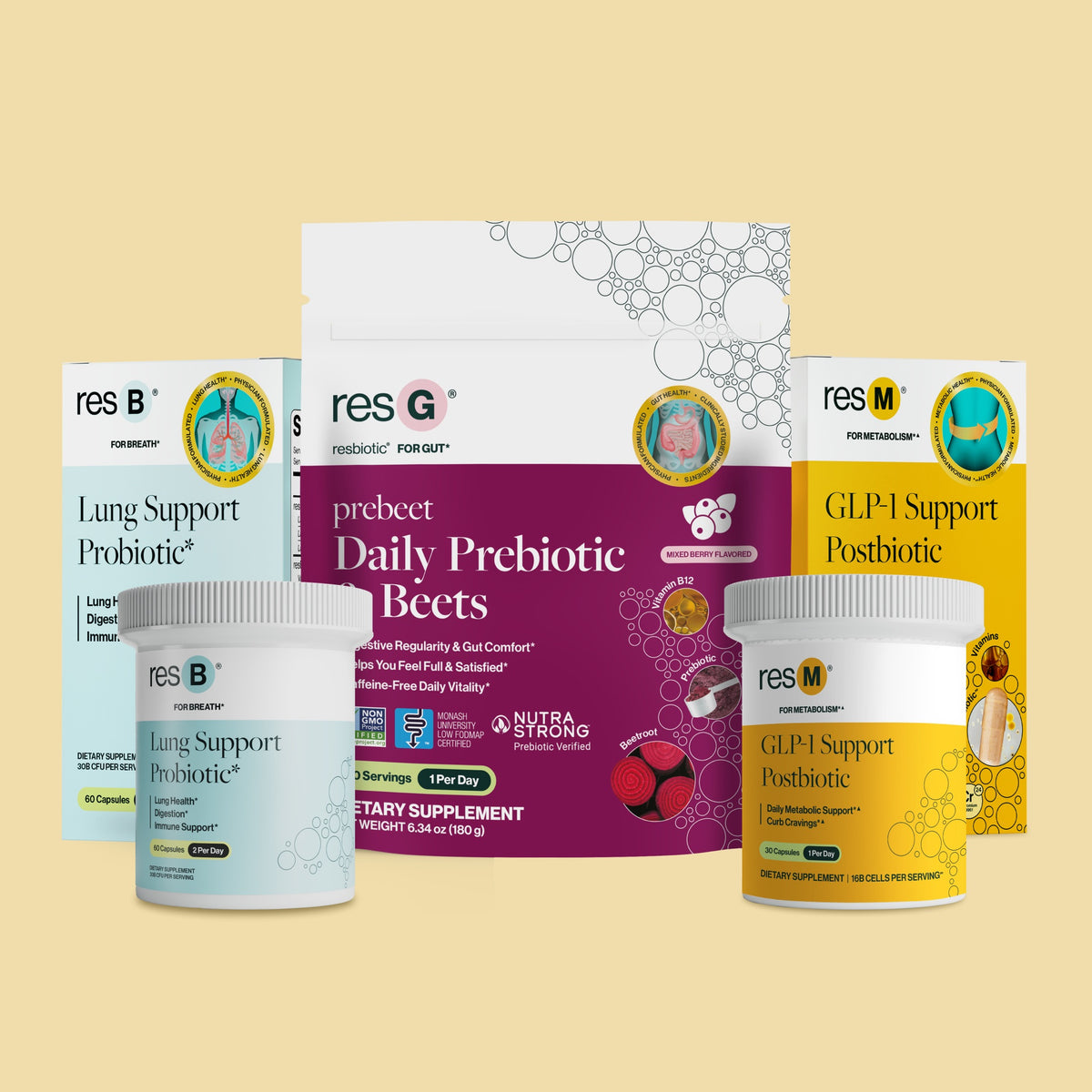
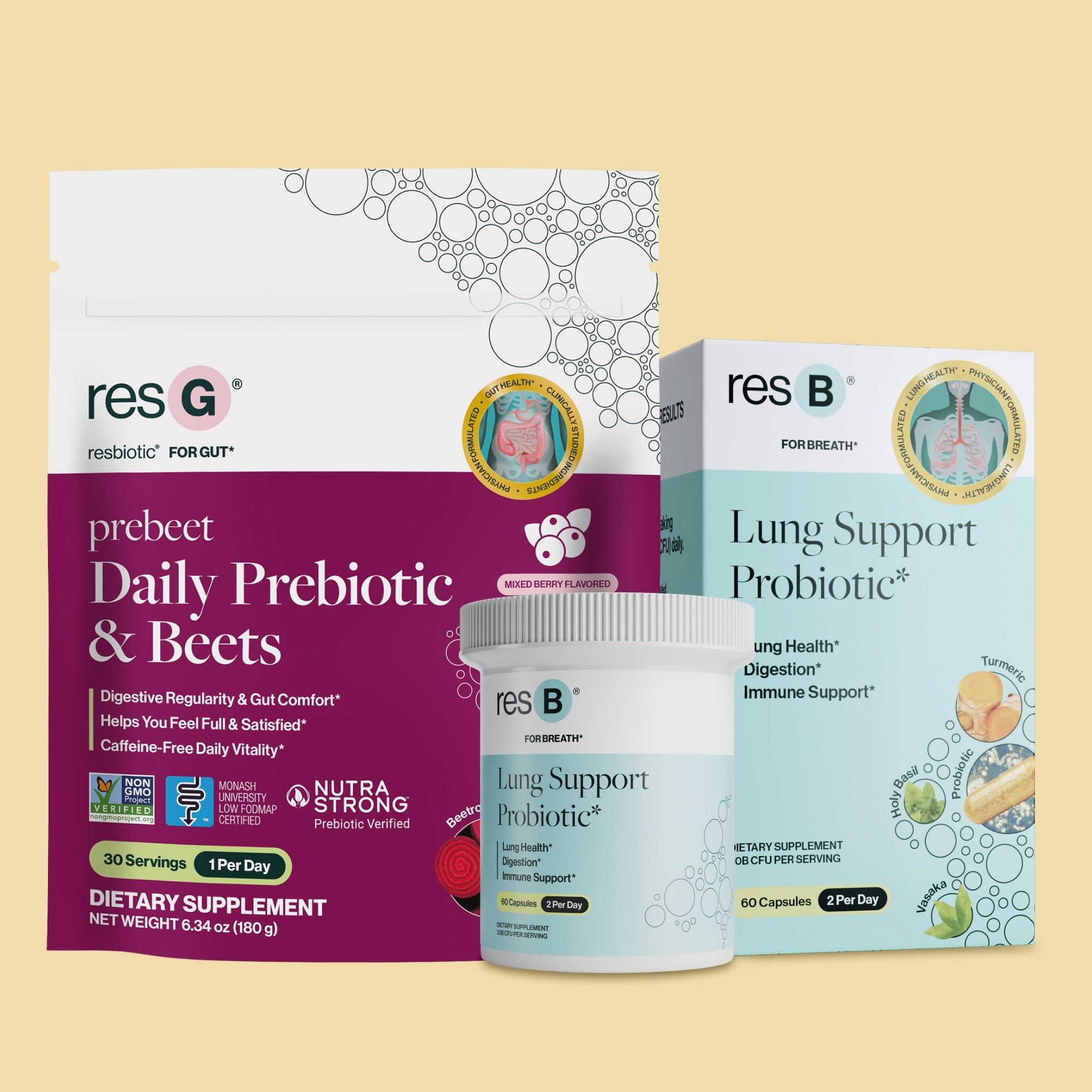
This is what makes resB such a great addition to your wellness regimen, not just for back-to-school season, but year-round.* The physician-formulated blend brings together turmeric, holy basil, and the three Lactobacillus strains (RSB11, RSB12, RSB13) at 30 billion CFU per serving. Learn more about what makes it the best lung support supplement today.*
4. Vitamin C
Vitamin C won’t stop you from catching a cold the way you may have been led to believe it can. However, it can help you bounce back from a cold faster, according to research.7
The key is taking vitamin C on a regular basis rather than running to it when you feel a cold coming on. It’s unlikely to make a difference at that point. This is one you should make part of your consistent regimen.
5. Vitamin D
This is the most promising among all the vitamins for lungs. Supplementing with vitamin D was able to lower acute respiratory tract infection risk by 12% in research - or 70% in people who had a vitamin D deficiency to begin with.3
Like vitamin C, the best way to use vitamin D for immunity is as a daily supplement rather than attempting to catch up with mega doses when you notice yourself starting to feel congested.
6. Zinc
Zinc can definitely help you bounce back faster, as zinc lozenges were able to cut the common cold duration by 2.7 days. 70% of people using zinc had recovered by day 5 compared to only 27% on placebo. But unlike the two vitamins above, higher doses appeared to be more effective than low-dose daily zinc supplements.8
7. Iron
Iron deficiency can make your immune system worse at fighting infections. The cells in charge of identifying and destroying pathogens just don’t do their job as well without ample iron in storage.9
However, it doesn’t appear that taking more iron will make your immune system better if your levels are already within a healthy range. In fact, taking more iron when you already have enough of it could cause more harm than good.
More Immune Supportive Measures for Yourself and Your Kids
Back-to-school immune support supplements fill nutritional gaps, but they can't compensate for poor sleep, chronic stress, or a diet built around processed food. You need to look at immunity from every angle.
Make Sleep a Priority
Sleep is where your immune system does most of its work, which is why you are more prone to getting sick when you feel “run down.” You need at least 7-9 hours a night.
Diet and Exercise
You can give your immune cells the raw materials they need to do their job through fruits, vegetables, meat, and whole grains. The less processed junk you eat, the better. You can also support your immune system by moving every day. It doesn’t have to be anything crazy. Just 30 minutes or so goes a long way. Overtraining can actually suppress your immune system.
Hydration
Water moistens and supports the mucous membranes in your respiratory tract, and that is your body’s first physical barrier against airborne pathogens. Drink plenty of water every day.
Managing Stress
Chronic stress keeps cortisol in a higher, unhealthy state - and that slowly but surely chips away at immune cell activity over time. Find healthy ways to keep stress at bay. Exercise, sleep, and time outside can all help.
Good Hygiene
Handwashing is still the best way to prevent germs from spreading throughout the house. Make sure your kids are aware of just how important this is throughout the day at school, and encourage them to get in the habit of washing their hands right when they come home.
The little stuff makes a big difference, too. Don’t share cups. Don’t hang out with friends that are sick. Cover coughs. You don’t need to be a germaphobe, but good hygiene is obviously non-negotiable.
What Won’t Help Boost Immunity Before Back-to-School Season
We see a lot of old wives’ tales on how to avoid getting sick - or how to recover from illness faster. A lot of these aren’t going to help, and could actually cause more harm than good.
For example, megadosing vitamins isn’t going to supercharge your immune system. Excess vitamin C will only get excreted, while extra iron is actually toxic.
Don’t waste your time (or money) on expensive immune boost shots at juice bars, either. They’re mostly sugar and marketing. We have never seen any evidence for colloidal silver, either.
As for antibiotics, they have their place - but be careful about using them in the wrong context. They only work on bacterial infections, not the viruses most kids bring home into your household.
Parting Thoughts on Back-to-School Immune Support Supplements
There you have it, all the best back-to-school immune support supplements. The fact of the matter is your children are going to bring germs home. All you can do is control whether or not your body is prepared for the exposure.
So, add resbiotic’s resB to your daily routine and beef up your internal defenses. You can purchase it online or in stores near you!
Related Resources
Best tea for respiratory infection | Why do I keep coughing? | How to take turmeric for lungs
References
- Sacri AS, De Serres G, Quach C, et al. "Transmission of acute gastroenteritis and respiratory illness from children to parents." Pediatric Infectious Disease Journal. 2014;33(6):583-588. PubMed
- Marsland BJ, Trompette A, Gollwitzer ES. "The Gut-Lung Axis in Respiratory Disease." Annals of the American Thoracic Society. 2015;12(Suppl 2):S150-S156. PubMed
- Martineau AR, Jolliffe DA, Hooper RL, et al. "Vitamin D supplementation to prevent acute respiratory tract infections: systematic review and meta-analysis of individual participant data." BMJ. 2017;356:i6583. PubMed
- Dehzad MJ, Ghalandari H, Nouri M, Askarpour M. "Antioxidant and anti-inflammatory effects of curcumin/turmeric supplementation in adults: A GRADE-assessed systematic review and dose-response meta-analysis of randomized controlled trials." Cytokine. 2023;164:156144. PubMed
- Mondal S, Varma S, Bamola VD, et al. "Double-blinded randomized controlled trial for immunomodulatory effects of Tulsi (Ocimum sanctum Linn.) leaf extract on healthy volunteers." Journal of Ethnopharmacology. 2011;136(3):452-456. PubMed
- Zhao Y, Dong BR, Hao Q. "Probiotics for preventing acute upper respiratory tract infections." Cochrane Database of Systematic Reviews. 2022;(8):CD006895. PubMed
- Hemila H, Chalker E. "Vitamin C for preventing and treating the common cold." Cochrane Database of Systematic Reviews. 2013;(1):CD000980. PubMed
- Hemila H, Petrus EJ, Fitzgerald JT, Prasad A. "Zinc acetate lozenges for treating the common cold: an individual patient data meta-analysis." British Journal of Clinical Pharmacology. 2016;82(5):1393-1398. PubMed
- Ekiz C, Agaoglu L, Karakas Z, et al. "The effect of iron deficiency anemia on the function of the immune system." Hematology Journal. 2005;5(7):579-583. PubMed