







There’s nothing worse than hacking stuff up all throughout the day. But when OTC (over-the-counter) decongestants don’t get the job done, you can turn to Mother Nature for the best food for cough and phlegm.
There are strong links between what you eat, your immune system, and airway irritation. Your diet can either help your body clear that excess mucus out, or it can make matters worse.1
So, what food is good for cough and phlegm? And what food to avoid for cough and phlegm? This quick chart below will break it down at a glance - but read on for the full story on how to start breathing easier with resbiotic’s resB, the #1 lung support supplement backed by clinical evidence.*
|
Foods to Eat |
Foods to Avoid |
|
Chicken soup and bone broth |
Spicy foods |
|
Holy basil (tulsi) |
Greasy or fried foods |
|
Ginger |
Processed foods |
|
Honey |
Coffee and energy drinks |
|
Turmeric |
Acidic fruits |
|
Herbal teas |
Sugary foods and drinks |
|
Garlic |
Overly salty foods |
|
Pumpkin seeds |
|
|
Yogurt |
|
|
Leafy greens and bell peppers |
|
|
Kiwis |
Key Takeaways
- Warm, hydrating foods (think chicken soup, bone broth, herbal tea) thin mucus and soothe irritation.2
- Holy basil and turmeric are two ingredients in particular that can help support respiratory function.*3,4
- Other great foods for cough and phlegm include ginger, honey, yogurt, and certain fruits/veggies.5,6,12,15
- Steer clear of spicy, fried, greasy, or processed foods. These cause more harm than good.16,17
- Hydration is equally important to diet, if not more. Drink plenty of water.2
- resbiotic’s resB can fill in the dietary gaps and help clear your chest, support your lungs, and make your respiratory system as a whole more resilient.*21
Common Causes of a Phlegmy Cough
Why do I keep coughing? First, it helps to know what phlegm actually is. This mucus gets produced specifically in the lower respiratory tract. It’s actually there as a normal defense mechanism.
The problem arises when an infection, chronic irritation, or allergies kick your body’s mucus production system into overdrive. Too much phlegm builds up in the airways, and your cough reflex is triggered as a result to clear it out.2
Most phlegmy coughs can be traced back to a viral infection (AKA a cold or flu). Or it could be bacterial bronchitis. Other common causes include seasonal allergies, postnasal drip, and chronic ailments such as asthma and GERD.
Certain things can make a phlegmy cough worse, too. The obvious ones are smoking and poor air quality. Whatever is causing it, though, you want to put an end to it. So what food is good for cough and phlegm?
What Food is Good For Cough and Phlegm?
The best food for phlegm and cough doesn’t just ease the symptom itself. It actually addresses the underlying problem, which is often inflammation, dehydration, or a weakened immune response.
Still, relief is always a good thing - so we’ve included some foods that help in the meantime as well.
Chicken Soup
There’s a reason chicken noodle soup has always been the remedy of choice when you’re under the weather. Warm liquid.
It’s not just something passed down for generations based on a hunch, either. A study published in the journal Chest found that chicken soup may inhibit neutrophil migration, in turn minimizing upper respiratory irritation and helping ease congestion.4
The broth can help rehydrate you and thin that thick mucus so it’s easier to cough up, too.2
Holy Basil (Tulsi)
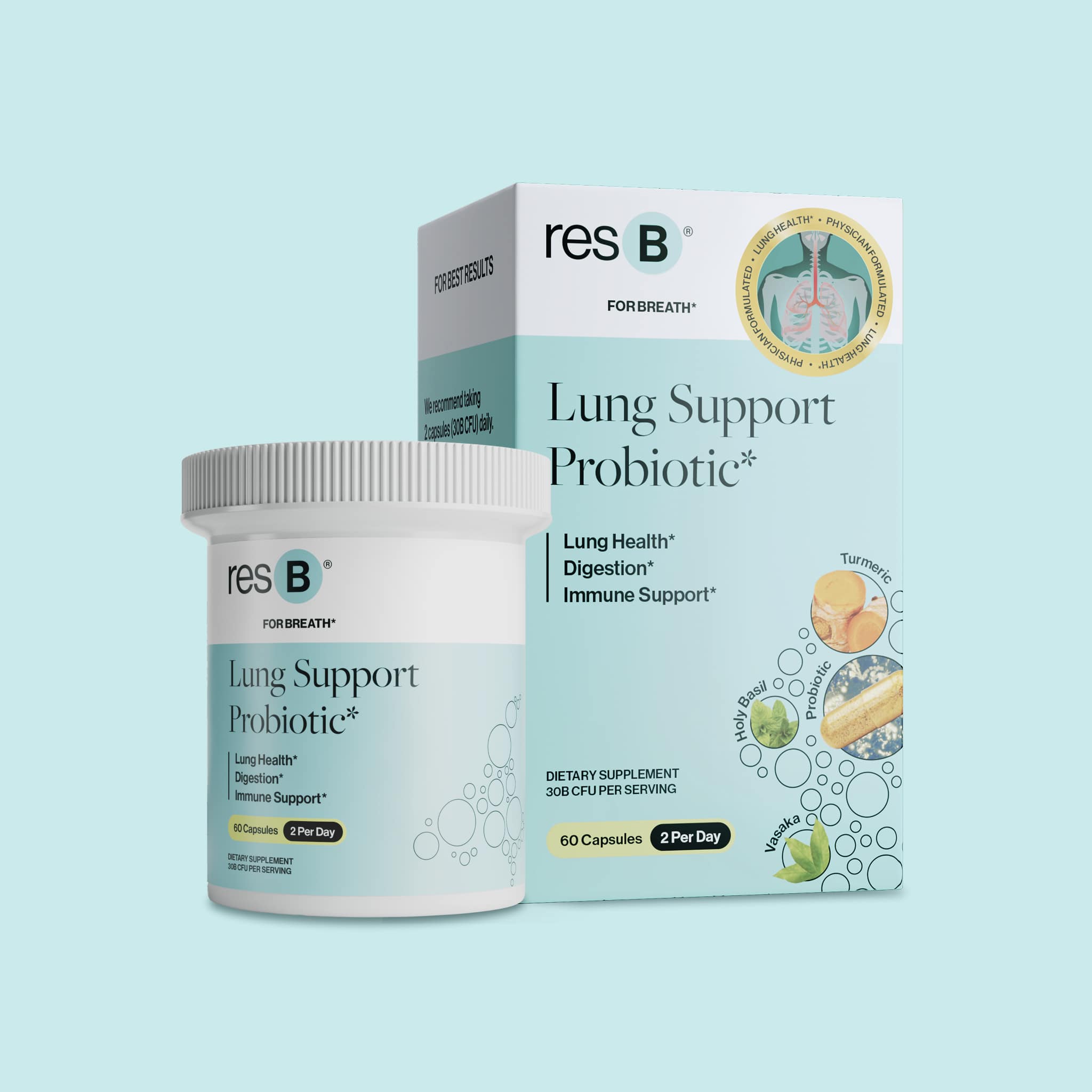
This is among the best herbs for lung detox. It has long been used in Ayurvedic medicine as a respiratory tonic, and it’s included in resbiotic’s resB Lung Probiotic for many of the same reasons.*
Modern research points to its ability to support proper bronchial function and help the body better manage stress-related immune responses.*2 You can brew it as a tea or get it in our supplement.
Ginger
Ginger is packed with gingerols and shogaols, and these bioactive compounds have well-established anti-inflammatory properties.5 You can cook with ginger or steep fresh slices in hot water with a squeeze of lemon for a refreshing tonic. The steam alone can help clear your airways!
Honey
One review showed honey was effective in lowering cough frequency and severity in children.6 There’s no reason those same benefits shouldn’t apply to adults. You can enjoy it by the spoonful, or stir it into warm water/tea.
Anything With Turmeric
Turmeric is used for so many things, and it can all be traced back to its curcumin content. This active compound has impressive anti-inflammatory and antioxidant properties according to clinical research.*3 Golden milk and turmeric-ginger tea are the easiest ways to enjoy it. We have more tips on how to take turmeric for lungs in our blog, though.
Certain Herbal Teas
We know you came here curious about food good for cough and phlegm, but beverages are usually your best bet because you get warm hydration and important nutrients for relief. There are so many amazing teas for lung health worth trying.
- Peppermint’s menthol content is a natural decongestant.7
- Thyme has been used in traditional medicine for coughs and bronchitis.8
- Licorice root coats the throat and can ease irritation.9
The list goes on and on. Find one you genuinely enjoy and make it a part of your regular routine if you struggle with chronic congestion.
Garlic
Allicin is the compound we’re most interested in here. It gets released when garlic is crushed, and researchers have identified its antimicrobial and immune-supportive properties as beneficial when struggling with a phlegmy cough.10
It’s important to keep in mind that raw garlic is the strongest. But even cooking garlic in soups and broths helps you tap into the benefits of allicin.
Pumpkin Seeds
Zinc plays an essential role in immune cell function, and pumpkin seeds are one of the richest plant sources of this mineral.11 All you need is a handful a day (ideally unsalted).
Yogurt
Not only is it super soothing on an irritated throat, but yogurt is loaded with probiotics. That means it supports the gut microbiome. Why does that matter, you ask? Because up to 70% of the immune system lives in the gut!12 The gut directly influences immune response through something called the gut-lung axis,13 so it’s worth nourishing gut health if you’re congested.
Don’t just take our word for it. A Cochrane review found that probiotics may reduce the incidence of upper respiratory tract infections.14 Go with plain, unsweetened varieties if you can.
Vegetables (Juiced if Possible)
Dark leafy greens and bell peppers deliver vitamin C, beta-carotene, antioxidants, and many other essential lung vitamins. These nutrients all help support immune function in their own ways.15
Juicing makes it easier to get these foods good for cough and phlegm on a consistent basis. You can probably find fresh juice locally, or, make it at home to control the ingredients.
Kiwis
You’d be surprised to learn that many experts call kiwis the best fruit for lungs. But it’s true, and a lot of it can be traced back to their vitamin C content. This vitamin supports immune cell function and may help clear upper respiratory symptoms faster.15
Food to AVOID For Cough and Phlegm
You know what food is good for cough and phlegm. But we want to cover food to avoid for cough and phlegm because these can be very detrimental to your recovery.
Spicy Foods
You’ve probably been led to believe spicy foods are a good thing for congestion. They have capsaicin, which can definitely help thin mucus. But it’s temporary. And a lot of people find that it triggers coughing fits that can aggravate an already irritated throat.
Greasy or Fried Foods
These types of meals can slow digestion and make GERD symptoms worse.16 They might push stomach acid up into the throat and airways, which causes the same effect as spicy foods - more coughing when your throat is already raw.
Anything Overly Processed
Your body doesn’t need to fight off any more free radicals right now. Processed foods are loaded with sodium, sugar, and preservatives, which can increase inflammation.17 They may increase fluid retention as well, which doesn’t help a phlegmy cough.
Coffee or Energy Drinks
You’re already losing fluids through excess mucus production, and caffeine has its own diuretic properties.18 It’s only going to make you more dehydrated.
Acidic Fruits
It’s natural to reach for fruits when you’re under the weather, assuming they’re good food for cough and phlegm. But the vitamin C benefits can get offset by the acidity. That’s what makes kiwis great. You get vitamin C without the acidity.
Sugary Foods/Drinks
We touched on this a bit already, but excess sugar is going to give your body another battle to fight when it really should stay focused on what’s triggering an overactive immune response. Excess sugar can suppress white blood cell function for hours after you consume it!19
Anything Too Salty
Too much sodium is going to make your body hold onto water rather than distribute it where it’s needed, so mucus can thicken up and become harder to clear. Ironically, most canned soups are super high in sodium - they’re only good food for cough and phlegm if you make your own!
Other Remedies You Should Try to Begin Breathing Better
Aside from diet, there are many other things you can do to ease congestion and finally find relief. Hydration is the big one. The more hydrated you are, the thinner your mucus becomes - and the easier it is to clear.
You can get temporary relief through steam inhalation to loosen congestion in your sinus and chest, too. Elevate your head while you sleep to encourage proper mucus drainage.
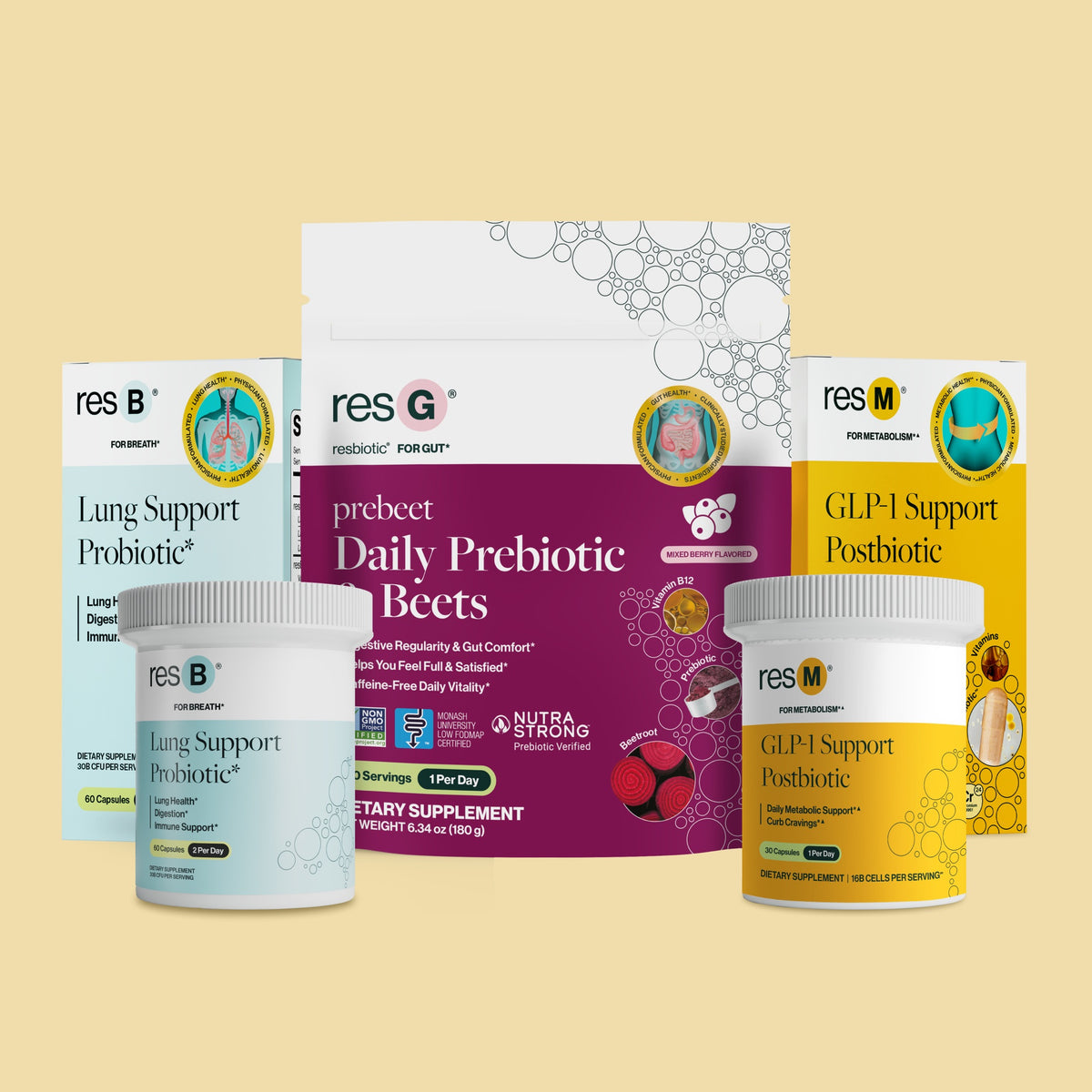
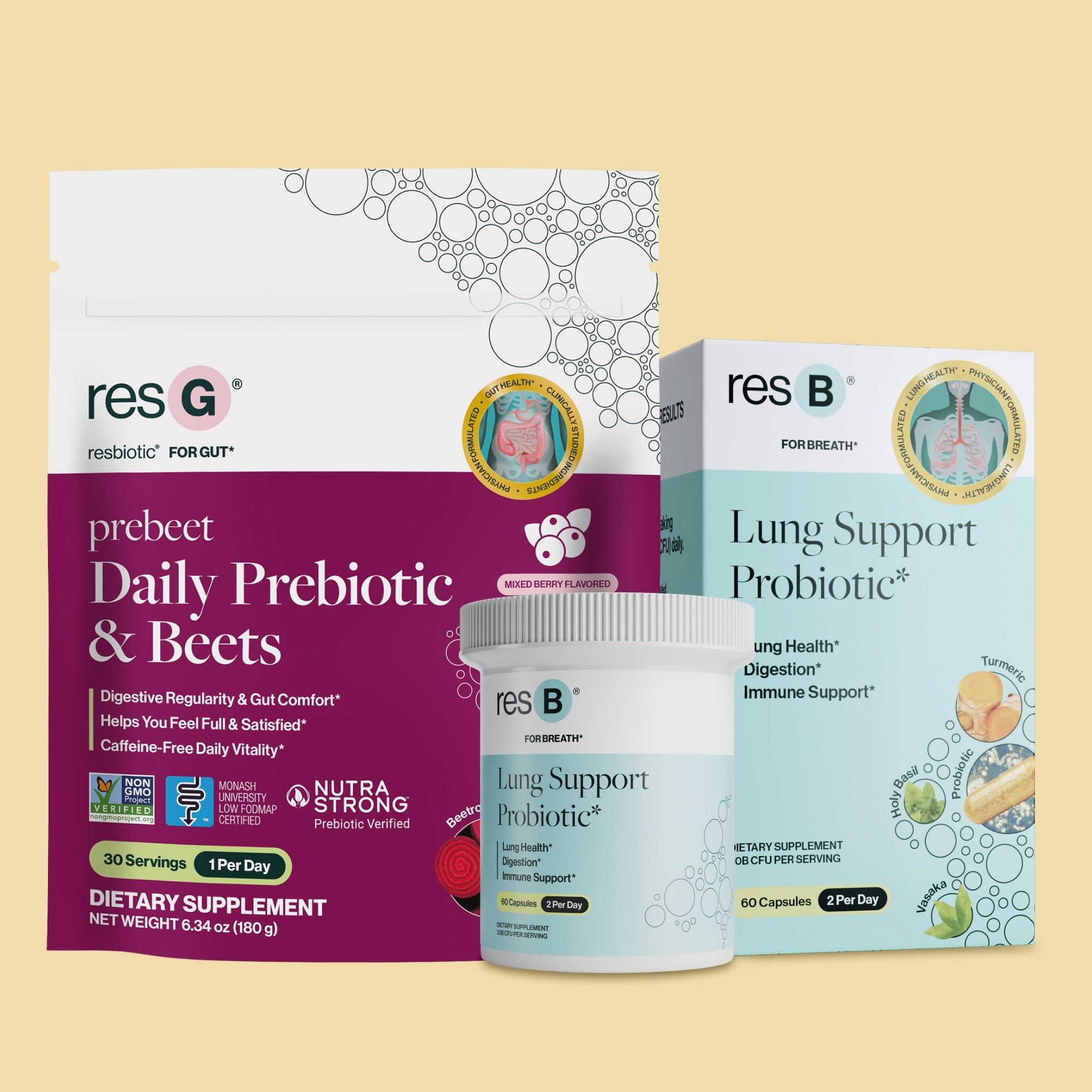
The best thing you can do for long term respiratory support, though, is add resbiotic’s resB to your regimen.* It’s a clinically studied lung probiotic that features many of the ingredients we talked about today - turmeric, holy basil, and vasaka.
Participants in a clinical trial were blown away with how it worked. 72% reported improved lung function, while 82% said their quality of life got better. 95% were likely to recommend it to others, and 100% said they didn’t notice any negative side effects.*21
Your order is backed by a 30-day money-back guarantee, so learn more about resB today.
Frequently asked questions
What foods help clear phlegm?
Your best options for immediate relief are warm broth and ginger tea. Honey, raw garlic, turmeric, and holy basil are all great ways to support a healthier respiratory system and immune function in the long run.
What foods help stop coughing?
Honey has more evidence for cough reduction than anything else on our list of foods good for cough and phlegm. Ginger and turmeric are effective at calming airway irritation as well.
What is the fastest way to cure a cough with phlegm?
Nothing really “stops” you from coughing overnight as far as diet is concerned. That being said, you can ease symptoms right away through steam inhalation while dietary changes take hold over the course of a few days or weeks.
Will certain foods make a cough worse?
Yes. Avoid spicy foods, processed foods, fried/greasy foods, sugar, caffeine, and acidic foods.
When should I get medical attention for my cough/phlegm?
If your cough persists for more than three weeks, worsens, or isn't improving despite self-care, it's a good idea to contact your healthcare provider. Seek prompt medical attention if you experience symptoms such as difficulty breathing, a high fever, chest pain, coughing up blood, or other concerning symptoms.
References
- Berthon BS, Wood LG. "Nutrition and Respiratory Health--Feature Review." Nutrients. 2015;7(3):1618-1643. DOI
- Fahy JV, Dickey BF. "Airway Mucus Function and Dysfunction." N Engl J Med. 2010;363(23):2233-2247. PubMed
- Cohen MM. "Tulsi - Ocimum sanctum: A herb for all reasons." J Ayurveda Integr Med. 2014;5(4):251-259. PubMed
- Hewlings SJ, Kalman DS. "Curcumin: A Review of Its Effects on Human Health." Foods. 2017;6(10):92. PubMed
- Rennard BO, et al. "Chicken Soup Inhibits Neutrophil Chemotaxis In Vitro." Chest. 2000;118(4):1150-1157. PubMed
- Mashhadi NS, et al. "Anti-oxidative and anti-inflammatory effects of ginger in health and physical activity." Int J Prev Med. 2013;4(Suppl 1):S36-S42. PubMed
- Oduwole O, et al. "Honey for acute cough in children." Cochrane Database Syst Rev. 2018;4(4):CD007094. PubMed
- McKay DL, Blumberg JB. "A review of the bioactivity and potential health benefits of peppermint tea (Mentha piperita L.)." Phytother Res. 2006;20(8):619-633. PubMed
- Kemmerich B, et al. "Efficacy and tolerability of a fluid extract combination of thyme herb and ivy leaves and matched placebo in adults suffering from acute bronchitis with productive cough." Arzneimittelforschung. 2006;56(9):652-660. PubMed
- Pastorino G, et al. "Liquorice (Glycyrrhiza glabra): A phytochemical and pharmacological review." Phytother Res. 2018;32(12):2323-2339. PubMed
- Josling P. "Preventing the common cold with a garlic supplement: a double-blind, placebo-controlled survey." Adv Ther. 2001;18(4):189-193. PubMed
- Prasad AS. "Zinc in Human Health: Effect of Zinc on Immune Cells." Mol Med. 2008;14(5-6):353-357. PubMed
- Vighi G, et al. "Allergy and the gastrointestinal system." Clin Exp Immunol. 2008;153(Suppl 1):3-6. PubMed
- Budden KF, et al. "Emerging pathogenic links between microbiota and the gut-lung axis." Nat Rev Microbiol. 2017;15(1):55-63. PubMed
- Hao Q, et al. "Probiotics for preventing acute upper respiratory tract infections." Cochrane Database Syst Rev. 2015;(2):CD006895. PubMed
- Carr AC, Maggini S. "Vitamin C and Immune Function." Nutrients. 2017;9(11):1211. PubMed
- Kaltenbach T, et al. "Are lifestyle measures effective in patients with gastroesophageal reflux disease? An evidence-based approach." Arch Intern Med. 2006;166(9):965-971. PubMed
- Christ A, et al. "Western Diet and the Immune System: An Inflammatory Connection." Immunity. 2019;51(5):794-811. PubMed
- Maughan RJ, Griffin J. "Caffeine ingestion and fluid balance: a review." J Hum Nutr Diet. 2003;16(6):411-420. PubMed
- Sanchez A, et al. "Role of sugars in human neutrophilic phagocytosis." Am J Clin Nutr. 1973;26(11):1180-1184. PubMed
- Wenger NM, et al. "Clinical trial of a probiotic and herbal supplement for lung and respiratory health." Frontiers in Nutrition. 2023;10:1168582. DOI
This article is for educational purposes only and is not intended to diagnose, treat, or replace advice from your healthcare provider.