




Air pollution is inescapable, unfortunately. Nearly half of all Americans breathe air that fails federal health standards.1 The goal should turn from avoidance to figuring out how to protect yourself from bad air quality. That’s what we’re here to discuss today.
Discover all the different ways to defend yourself externally and internally, including how a daily targeted lung support supplement designed around the gut-lung axis can strengthen your respiratory resilience from the inside.
Key Takeaways
- 156 million Americans live in areas that received a failing grade for air quality in 2025. 1
- Air pollution takes a toll on the respiratory, cardiovascular, and immune systems.2
- The first thing you can do is watch the Air Quality Index and reduce exposure on bad days.
- It’s also worth upgrading indoor air filtration and supporting your respiratory system through nutrition.
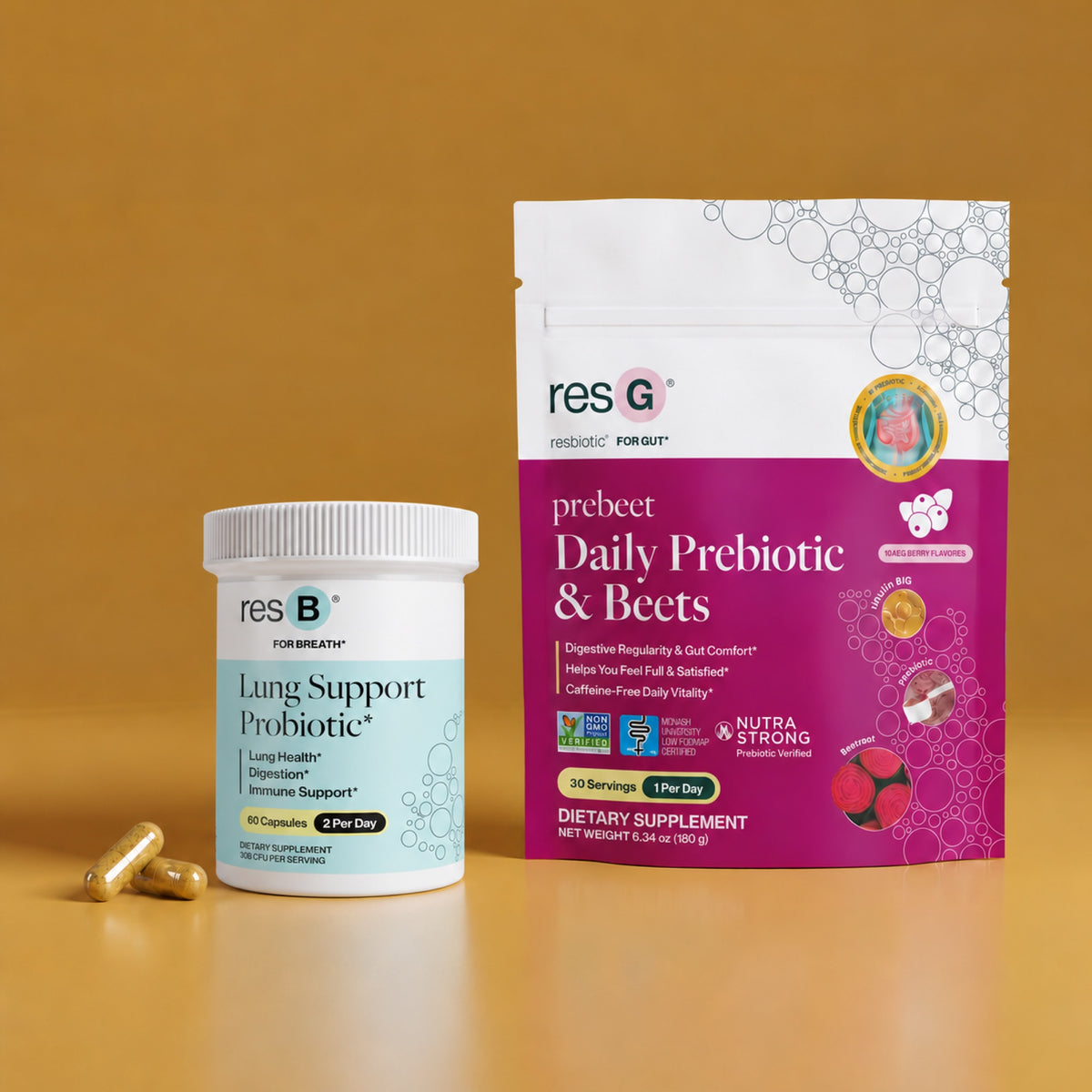
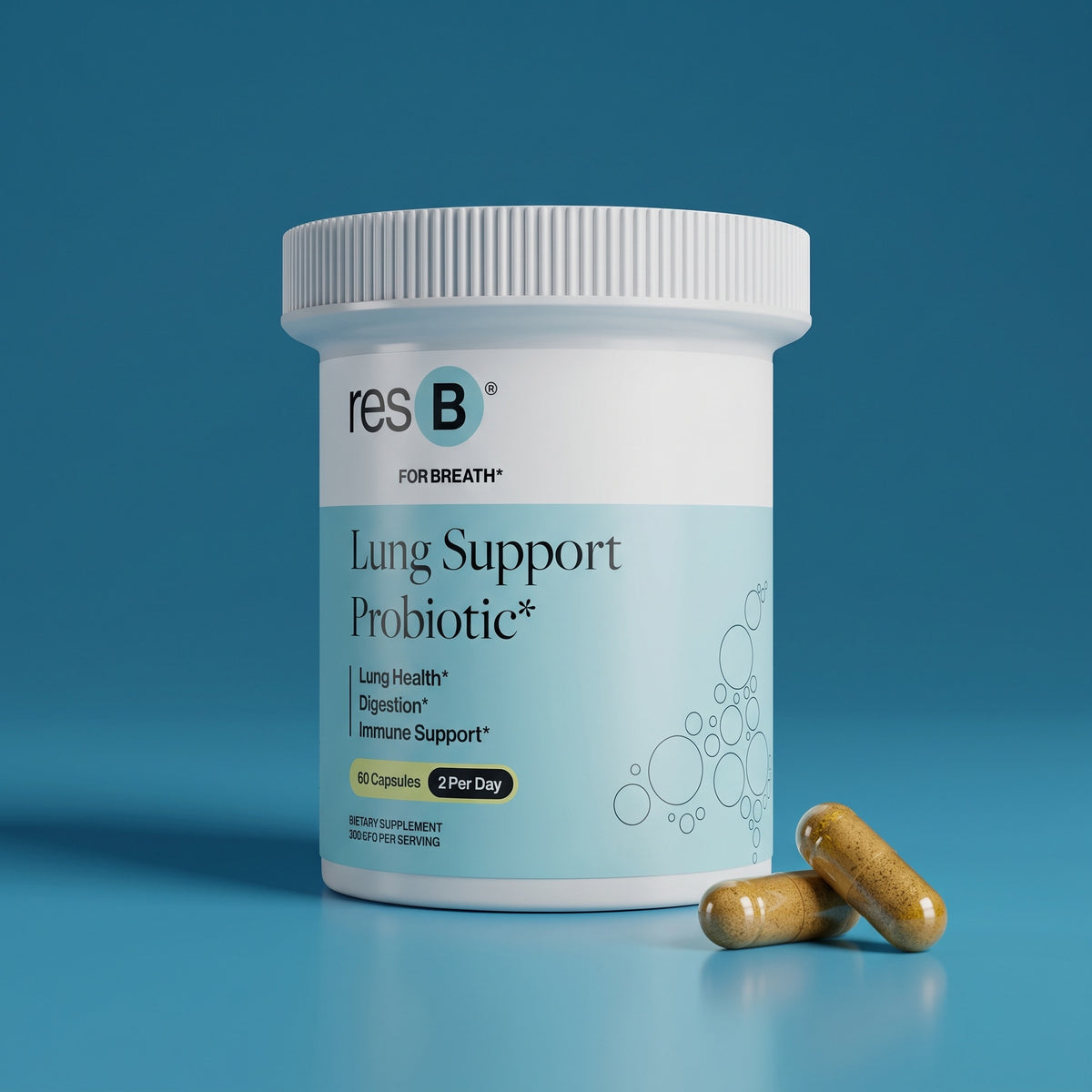
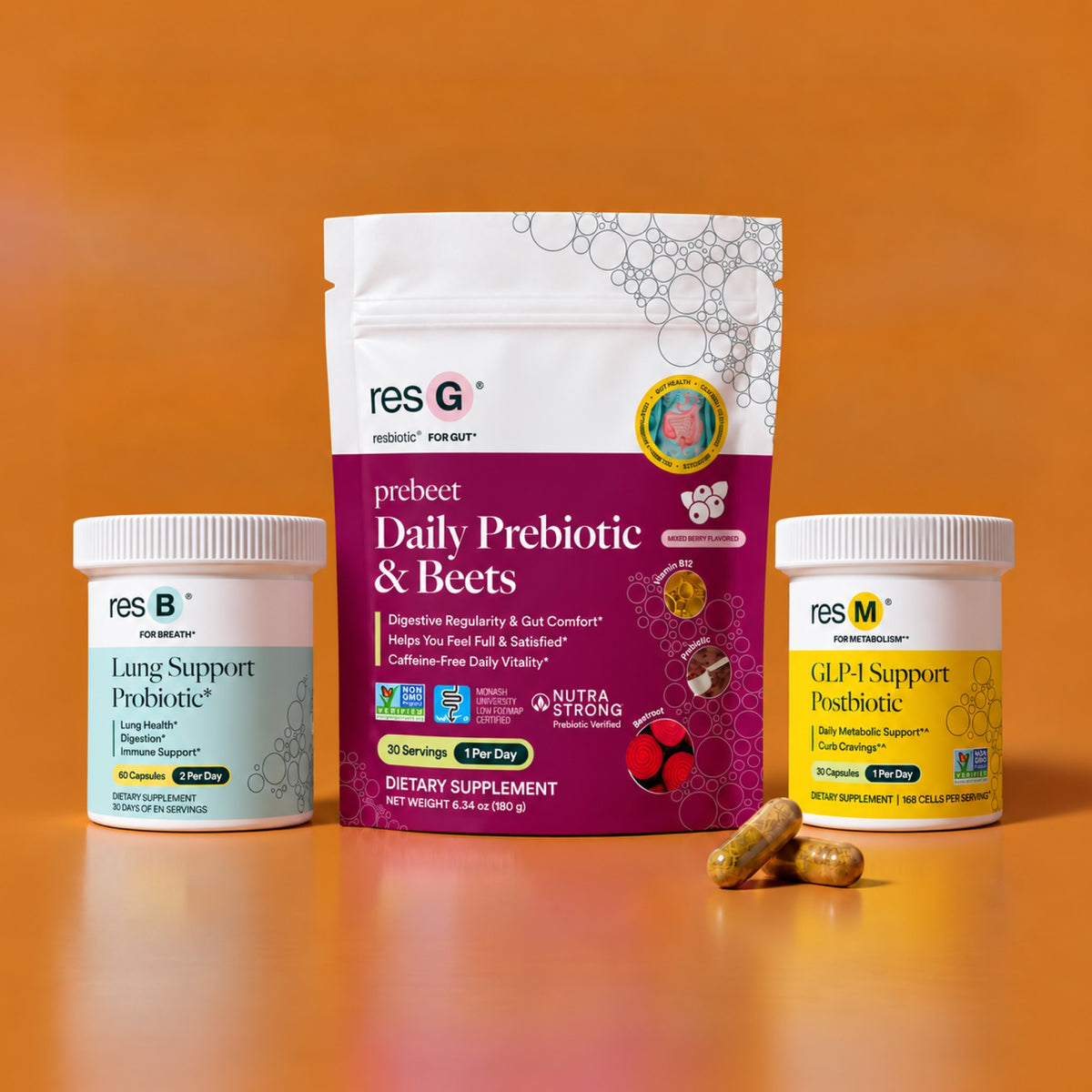
- resB® brings together clinically studied probiotics, vasaka, turmeric, and holy basil to beef up your immune system and help you breathe easier.*
What Causes Air Pollution?
There are so many things that can pollute the air, which is why we say it’s unavoidable for the most part. Vehicle emissions, industrial processes, and wildfire/agricultural burning are all common outdoor sources you are exposed to on an almost daily basis.
Then there is the stuff that nobody thinks about, but can be just as detrimental to human health - often lingering right inside your home. Common indoor air pollutants include:
- Nitrogen dioxide, carbon monoxide, and formaldehyde from gas stoves.3
- Cleaning products, paints, and aerosol sprays (volatile organic compounds)
- Mold, dust mites, pet dander, and cockroach allergens
- Secondhand smoke and burning candles or incense
- Radon, a colorless gas that seeps through foundation cracks
All of these are cause for concern, of course. But most of the worry comes from PM2.5. These particles are small enough that they can cross lung tissue and get into the bloodstream. The World Health Organization (WHO) has identified PM2.5 as the most health-damaging air pollutant.4
The Risks of Breathing Polluted Air
You know you need to learn how to protect yourself from bad air quality because it can harm your respiratory system. Some of the biggest concerns are worsened asthma and COPD symptoms, which could lead to a trip to the emergency room. One study found a fairly direct correlation between asthma-related ER admissions and ozone surges.5
Long-term lung function decline is associated with constant exposure to air pollution, which is reason enough to take proactive measures to defend yourself.2
But it’s not just the respiratory system that’s at risk. Over half of all PM2.5-related deaths involve cardiovascular causes, with one study showing that chronic PM2.5 exposure raises heart attack and stroke risk by 10% or more per 10 μg/m³ increase.6
Your immune system feels the effects of air pollution as well. Inhaled particulate matter builds up within immune cells housed inside the lungs, slowly but surely impacting their ability to fight infections. Immunologist Dr. Donna Farber with Columbia University and her team published research showing that lung immune cells in individuals exposed to pollution were “simply choked with particulates and could not perform essential functions that help defend us against pathogens.”7
How to Protect Yourself From Bad Air Quality
The WHO has said as many as 6.7 million premature deaths can be attributed to air pollution, and 99% of the world’s population breathes air exceeding WHO guideline limits.4 So what can you do to protect yourself?
Support Your Respiratory System From Within
The first thing we recommend doing is improving resilience from within. This is where an understanding of the gut-lung axis is so important. This is a communication highway where gut microbiota influence immune responses. Specific probiotic strains can produce short-chain fatty acids to help regulate inflammatory pathways.8
resB® was developed by double board-certified physician-scientist Dr. Vivek Lal. It brings together three proprietary probiotic strains (L. plantarum RSB11, L. acidophilus RSB12, L. rhamnosus RSB13), all clinically studied for their connection to lung and immune support. There’s also vasaka, turmeric, and holy basil.
The resB® blend significantly improved respiratory symptom scores while bringing down inflammatory markers (like IL-6, CRP, and MMP-9) in a 12-week randomized, double-blind, placebo-controlled trial.*9
It’s among the best supplements for lungs, and it’s backed by a satisfaction guarantee. Adding resB® to your arsenal is one of our top tips on how to protect yourself from bad air quality.
Monitor Air Quality Every Day and Minimize Exposure if Necessary
There are days and even times of year when air quality is worse than it normally would be. For example, warmer months tend to bring both higher ozone and more summer congestion. Unfortunately, this is also when you want to spend the most time outside!
It’s good to get in the habit of checking the EPA’s Air Quality Index every morning. It ranges from 0 to 500. Here’s how to interpret it:
- Under 100 is generally acceptable
- Sensitive groups are at risk above 100
- Everyone is at risk above 150
Some exposure is unavoidable. But you can at least avoid spending extended time outdoors on bad days. Or at the very least, avoid strenuous activities outdoors on those days. You can also keep your car windows closed while driving and keep your home/office windows closed.
Improve Indoor Air Quality
You spend as much as 90% of your time inside, and indoor air can actually be 2-5x MORE polluted than outdoor air.5 Here are some ways to reduce that load:
- Use a portable HEPA air purifier, as these can cut indoor PM2.5 by up to 50%10
- Upgrade HVAC filters to MERV 13 or higher (especially during smoky periods)
- Let your house breathe by opening windows when the AQI is good
- Run kitchen exhaust fans when cooking with gas
- Try to avoid using candles, incense, or aerosol products indoors
Strengthening indoor air quality and respiratory health means there are fewer pollutants making their way into your system, and those that do are swiftly taken care of.
Wear Proper Protection if Necessary
Sensitive individuals may benefit from wearing a properly fitted N95 respirator when AQI exceeds 150. Emphasis on PROPERLY FITTED. Any gap at the nose or chin lets contamination sneak through.
Frequently Asked Questions
How to tell if air quality is affecting you?
Symptoms to watch out for include a scratchy throat, burning eyes, unusual fatigue, persistent cough, and chest tightness. See if these symptoms flare up on days when AQI is higher than normal.
What supplements can help with bad air quality?
resB® combines three proprietary probiotic strains with vasaka, turmeric, and holy basil to support respiratory structure and function.* It may help you breathe better at night and during the day alike.*
How else can I protect myself from unhealthy air?
HEPA filtration, limiting outdoor exposure on bad days, and avoiding bringing more pollutants into your home through cleaning products, candles, and other common sources.
Final Words on How to Protect Ourselves From Air Pollution
Our blog has more tips on how to improve lung health naturally through nutrition, breathing practices, and reducing indoor pollutant sources if you want to take more measures. But these tips on how to protect yourself from bad air quality are a great starting point.
Support resilience from within at resbiotic. Get resB® today and see what a difference it can make in lung function and immune response over time!*
References
- American Lung Association. "State of the Air 2025: Key Findings." lung.org
- Particulate matter air pollution: effects on the respiratory system. Respirology, 2025. PubMed
- EPA. "The Inside Story: A Guide to Indoor Air Quality." epa.gov
- WHO. "Ambient (outdoor) air quality and health." who.int
- Giovannini M, et al. "How air pollution influences clinical management of respiratory diseases: a case-crossover study in Milan." BMC Pulmonary Medicine, 2012. PubMed
- Rajagopalan S, et al. "Cardiovascular effects of air pollution." Trends in Cardiovascular Medicine, 2022. PMC
- Farber DL, et al. "Inhaled particulate accumulation with age impairs immune function and facilitates SARS-CoV-2 infection." Nature Medicine, 2022. Nature Medicine
- L. plantarum in PM-associated pulmonary inflammation via gut-lung axis signaling. Journal of Applied Microbiology, 2024. PubMed
- Lactobacillus probiotic blend in COPD: a 12-week randomized, double-blind, placebo-controlled trial. 2024. PubMed
- EPA. "Residential Air Cleaners: A Technical Summary, 3rd Edition." epa.gov