















You’re not alone if you’re wondering how to sleep better during perimenopause. Sleepless nights become a lot more common the older you get, especially when this transition sets in. The good news is there are plenty of ways you can get more restful sleep. Many are simple to implement over time.
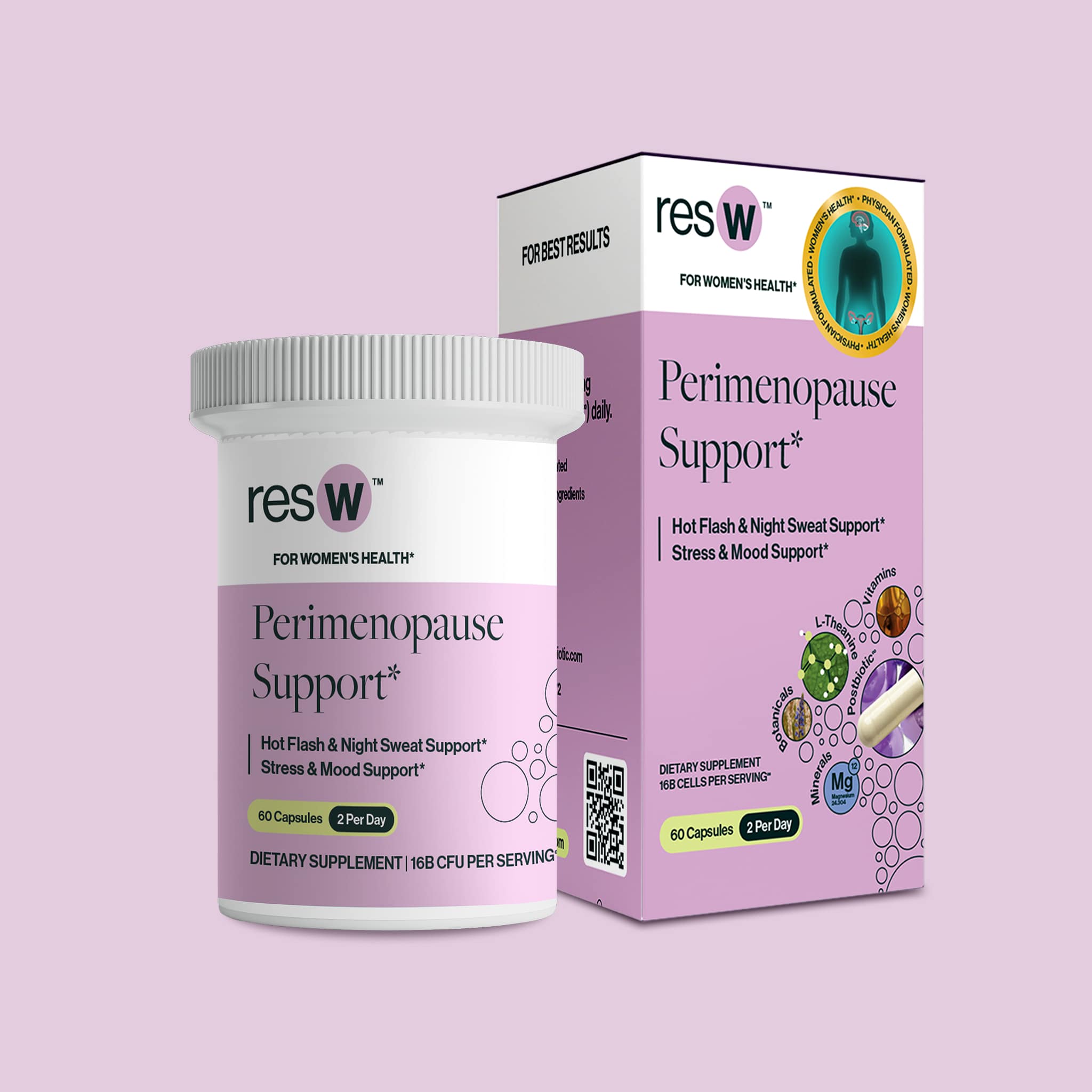
Create a consistent wind-down routine and stick to the same bedtime. Make your bedroom a true sleep sanctuary. Do enough during the day that you’re actually tired. Avoid caffeine. Consider perimenopause support options, such as resbiotic’s resW, which is designed to support gut–hormone communication and stress response pathways commonly associated with sleep disruption during this transition.*
These are all viable strategies if you want to learn how to get better sleep during perimenopause. Learn more below and put this problem in the past!
“I was waking up three or four times every night before resW. Now it’s usually only once, and I can fall back asleep faster.” - Carol
“I felt changes after the first month, but the real benefits showed in the second. Night sweats went from daily to only once or twice a week.” - Colleen
“The fact that this is hormone-free matters to me. I wanted a natural option, and this feels safe.” - Olivia
Individual experiences may vary, and testimonials reflect personal experiences rather than guaranteed results
What is Perimenopause?
Every woman braces for menopause, but the stage that precedes it can catch you off guard. Perimenopause starts in a woman’s late 30s or early 40s and lasts several years. It happens when estrogen and progesterone stop following a predictable pattern.
And because these hormones are linked to sleep, temperature control, mood, and stress response, many women notice changes long before their periods actually stop. Trouble sleeping is just one of the most frustrating signs that something has shifted.
Why Does Perimenopause Impact Sleep?
Sleep problems during perimenopause rarely have a single cause. Rather, it’s several changes stacking on top of each other all at once:
- Fluctuating estrogen can affect melatonin and the sleep-wake cycle.
- Night sweats force you out of sleep, or prevent you from falling asleep in the first place.
- Higher cortisol levels make it harder to fall or stay asleep.
- Racing thoughts at night prevent you from actually settling in and unwinding.
- Changes in blood sugar regulation can wake you up earlier than you’d like.
- Digestive discomfort or bloating tends to get worse when you lie down.
- Lower progesterone, which normally has a calming effect, can leave you feeling wired.
Any one of these issues on its own would get in the way of good, restorative sleep. But when they all happen at the same time? It’s a recipe for disaster. Don’t worry - we’re going to show you how to sleep better during perimenopause, even if a good night’s rest feels so elusive now.
How to Sleep Better During Perimenopause
Getting better sleep during perimenopause usually takes more than melatonin or a relaxing bedtime routine. Hormones, stress, body temperature, digestion, and nervous system activity are all shifting at once. You need to make multiple adjustments to your routine to notice lasting changes. .
That’s the key takeaway on figuring out how to get better sleep during perimenopause: what you take, what you do during the day, and how you support your body as it winds down at night all matter!
Supplements That Can Help
Your first instinct is probably to see if the best supplements for perimenopause can play a role in getting your sleep back on track. This is definitely a big piece of the puzzle.
We see a lot of women start with nutrients known to support relaxation and sleep quality, like magnesium, L-theanine, and B vitamins. Others turn to herbs like valerian or passionflower to help quiet nighttime restlessness. These options can be helpful, but effectiveness depends on how well they fit the bigger picture of stress levels, hormone changes, and digestion.
resbiotic’s resW is designed with that broader picture in mind.
This supplement combines the best vitamins for perimenopause, the best probiotics for perimenopause, the best magnesium for perimenopause, and other science-backed ingredients into a single formula.
Clinically researched postbiotic L. plantarum RSB11® - supports gut-hormone communication, while magnesium glycinate and L-theanine work in synergy to support relaxation and nervous system balance during perimenopause.* Black cohosh, chasteberry, and Vitamins D3, B6, and B12 are included to support temperature comfort, stress response, and nervous system function during perimenopause, factors that can influence sleep quality.*
It’s not a sleep aid. resW supports the systems that tend to disrupt sleep during perimenopause - stress response, temperature changes, and nighttime tension.* It may help falling asleep and staying asleep feel more natural over time.*
Keep Your Bedroom Cool
You probably know by now that temperature swings are one of the most common reasons you can’t fall asleep (or stay asleep). You can counter this by keeping your sleep environment cooler - ideally, somewhere between 60-67°F.
In addition to tweaking your thermostat, it’s probably worth looking into your bedding. Breathable sheets or styles that have moisture-wicking properties can make a big difference as well. Or, consider buying a new fan! Whatever it takes to keep your bedroom cool.
Set a Bedtime and Stick to it
Hormonal changes can throw off your internal clock. Consistency is more important than ever. That means going to bed at the same time every night, even on weekends. Your body eventually starts to realize when it’s time for bed. You feel sleepy when it’s time to feel sleepy.
Wind-Down Routines That Work
What you do in the hours prior to bed has a direct effect on how quickly you fall asleep and how deep that sleep is. Unfortunately, so many people still watch TV or catch up on work before bed. These are stimulating tasks! Worse, artificial light messes with your sleep cycle so your body doesn’t realize it’s time for bed.
Light stretching, reading, breathing exercises, or a warm shower/bath are great ways to tell your body and mind that the day is over. Journaling, meditating, setting out your outfit for tomorrow - the list goes on. Just avoid anything that pulls your attention back into problem-solving or emotional conversations.
Avoid Caffeine, Alcohol, and Other Stimulants
Caffeine lingers longer in the body as hormones shift, and it already has a really long half-life. Many women find it helpful to avoid caffeine any later than 2 PM (with a 10 PM bedtime in mind). Even then, we enjoy a much smaller cup of coffee than our morning mug.
We know a lot of women in perimenopause turn to alcohol - and we get it. It feels relaxing at first and can help you fall asleep. But it only gets you very fragmented sleep. You wake up feeling worse. It’s best to steer clear of alcohol before bed.
Consider White Noise Machines
This is one of the most underrated pieces of advice we have to offer on how to sleep better during perimenopause. Light sleep makes background noise more disruptive during perimenopause. White noise, fans, or sound machines smooth out sudden sounds that would otherwise wake you up.
Tire Yourself Out During the Day
It’s no wonder you can’t sleep at night if you’re just lying around all day or even sitting down in the office. You need to move your body to get out all that stored energy! Otherwise, you’ll feel restless in bed.
Light sleep makes background noise more disruptive during perimenopause. White noise, fans, or sound machines help smooth out sudden sounds that might otherwise cause wake-ups. We recommend working out earlier, as exercise too close to bed can be stimulating.
Stop Eating Before Bed
Late meals can raise body temperature and disrupt blood sugar overnight. Giving your body two to three hours between dinner and bedtime often leads to fewer night wakings.
Wrapping Up Our Guide on How to Get Better Sleep During Perimenopause
That does it for our guide on how to sleep better during perimenopause. You don’t have to just lie there staring at the ceiling, chasing sleep that only runs faster the more desperate you become. We’ve shared the strategies that work for us and countless other women.
The best way to get better sleep during perimenopause (and into the next chapter, for that matter) is by supporting the systems that get interrupted. Adding resW to a consistent evening routine may help support the systems that influence sleep during perimenopause, including stress balance, temperature comfort, and gut–hormone communication.*