









Good circulation has far-reaching benefits, so it can be a real cause for concern when it slows down. So is beetroot good for circulation? Yes. It can be traced back to how rich it is in nitrates. Your body converts these into nitric oxide to relax blood vessels and improve blood flow.1
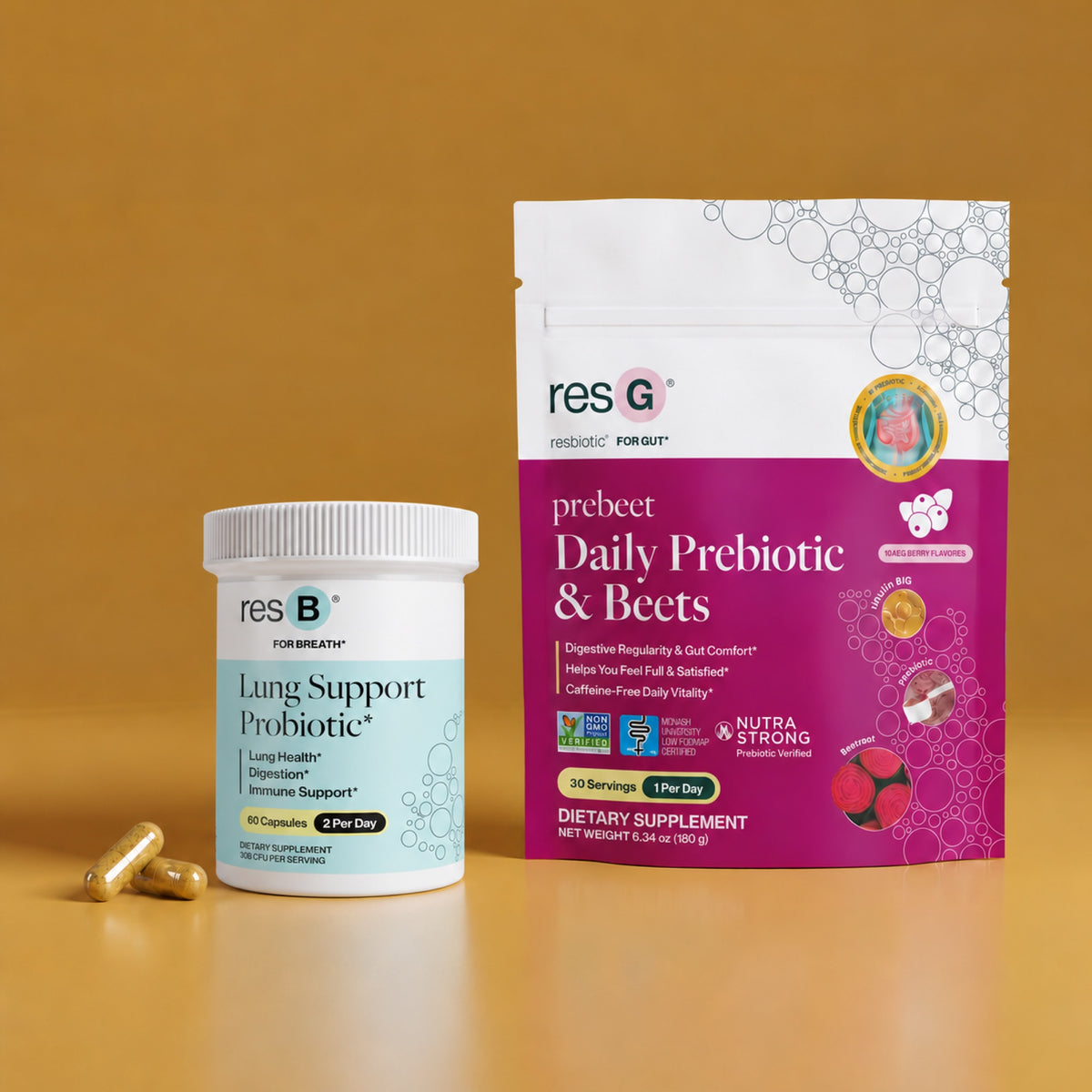
Circulation is just the starting point with beetroot, though. It can also nourish beneficial gut bacteria, boost energy levels, and has a host of other benefits.* That’s why it’s an important ingredient in resG® prebeet. Learn more about what it can do below!
Key Takeaways
- Beetroot is loaded with dietary nitrates that your body needs for proper vasodilation and blood flow.1
- Using beetroot for circulation can bring down systolic blood pressure by 4-8 mmHg within 2-3 hours of a dose.2,3
- Beetroot also supports a more diverse gut microbiota and improves energy production.
- resG® prebeet combines beetroot with resistant potato starch and vitamin B12 for gut health, digestion, and metabolism support.*
The Basics on Beetroot
Beetroot (Beta vulgaris) contains roughly 250 mg of inorganic nitrate per kilogram. It’s one of the most nitrate-dense veggies in the world.1 The nitrates you eat get absorbed in the gut, concentrated in the salivary glands, then reduced to nitrite by bacteria on the tongue.
Eventually, the nitrate is turned into nitric oxide in the stomach and bloodstream. This is where the case for circulation comes from. Nitric oxide calms down the smooth muscle lining your arteries. Wider arteries, lower vascular resistance, lower blood pressure - this leads to better blood flow to the muscles, organs, and brain.1
Is Beetroot Good For Circulation?
There’s ample data showing the benefits of beetroot for circulation, including one study published back in 2015 in Hypertension. Hypertensive patients drank 250 mL of beetroot juice daily for four weeks. Systolic blood pressure came down by 7.7 mmHg. Vascular function improved by 20%. This is enough to move someone from Stage 1 hypertension to a normal range as blood moves with less resistance.2
We also took a look at a meta-analysis of 7 randomized controlled trials and found that beetroot lowered systolic pressure by around 4.95 mmHg in hypertensive patients.3
So, is beetroot good for circulation? We think the answer is decisively yes. Professor Amrita Ahluwalia of Queen Mary University of London confirmed it all goes back to nitrate. “We showed that beetroot and nitrate capsules are equally effective in lowering blood pressure, indicating that it is the nitrate content of beetroot juice that underlies its potential to reduce blood pressure.”4
But the circulatory benefits of beetroot aren’t just limited to blood pressure. Older adults on a high-nitrate diet had better blood flow to the brain, while adults with Type 2 diabetes had better reaction time after two weeks of daily beetroot juice.1,5 This just shows that it can boost blood flow to every area that needs it.
Other Beetroot Benefits You Need to Know
There are a handful of other reasons it’s worth incorporating beetroot in your routine:
- Gut health: Beet has a handful of compounds that can encourage more beneficial Bifidobacteria within the digestive system. This matters because Bifidobacteria support short-chain fatty acid (SCFA) production in the gut.6 SCFAs maintain the integrity of your gut barrier, support immune function, and even have their own vasodilator effects.7
- Exercise performance: Beetroot juice appears to lower the oxygen cost of exercise dramatically, essentially allowing you to push yourself further before feeling exhausted. Researchers were amazed by the effects, claiming they “cannot be achieved by any other known means, including training.”8
- Anti-inflammatory effects: the pigments that give beets that unmistakable deep red color (betalains) also have well-established antioxidant and anti-inflammatory properties. 1
This is to say that almost anyone can benefit from adding beetroot to their regimen. Whether you’re struggling with bloating, sluggishness, brain fog, or even trying to boost physical performance, beetroot is compelling!
How to Bring the Benefits of Beetroot Into Your Routine
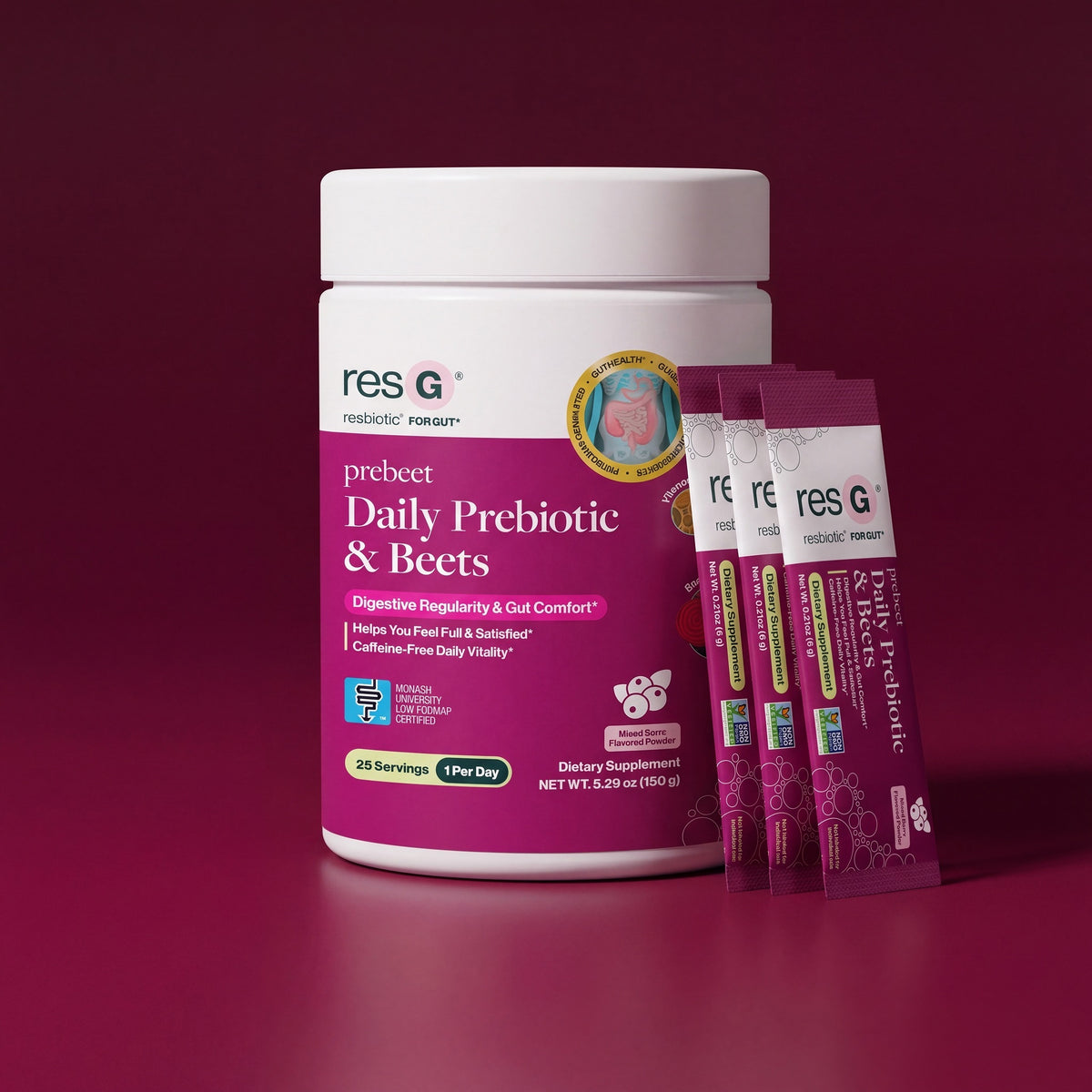
You can eat beetroot on a daily basis or drink beetroot juice. Or, you can make life easier with one of the best supplements for bloating and weight loss - resG® prebeet. It combines beetroot with resistant potato starch and vitamin B12 in a daily prebiotic formula you mix into water.
You get the nitrates from beetroot, where all the circulatory and exercise benefits come from. The resistant potato starch feeds good gut bacteria (including Akkermansia) to produce those essential SCFAs for digestion, gut barrier integrity, and cardiovascular function.7,10
There’s also Vitamin B12 for additional energy-related benefits.*
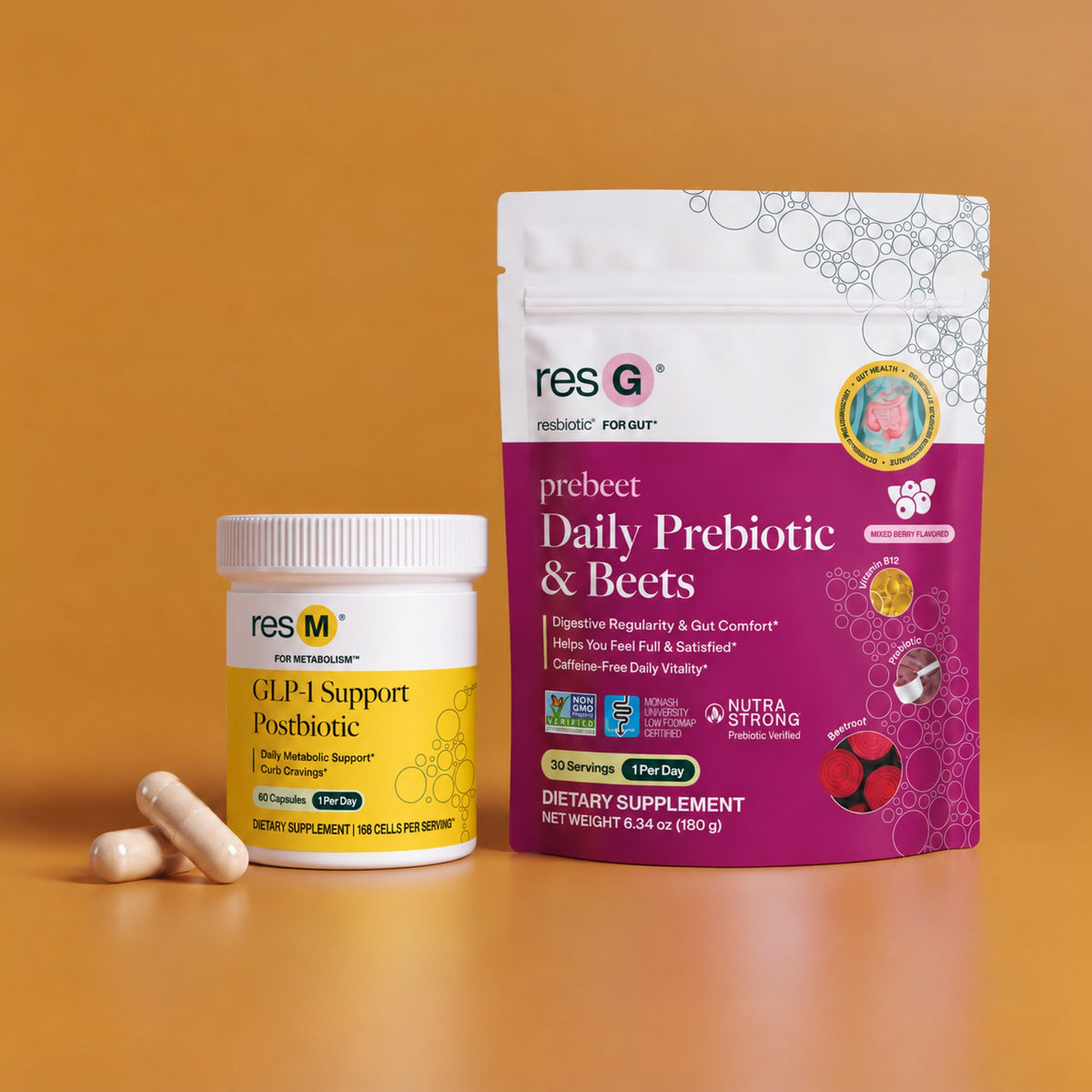
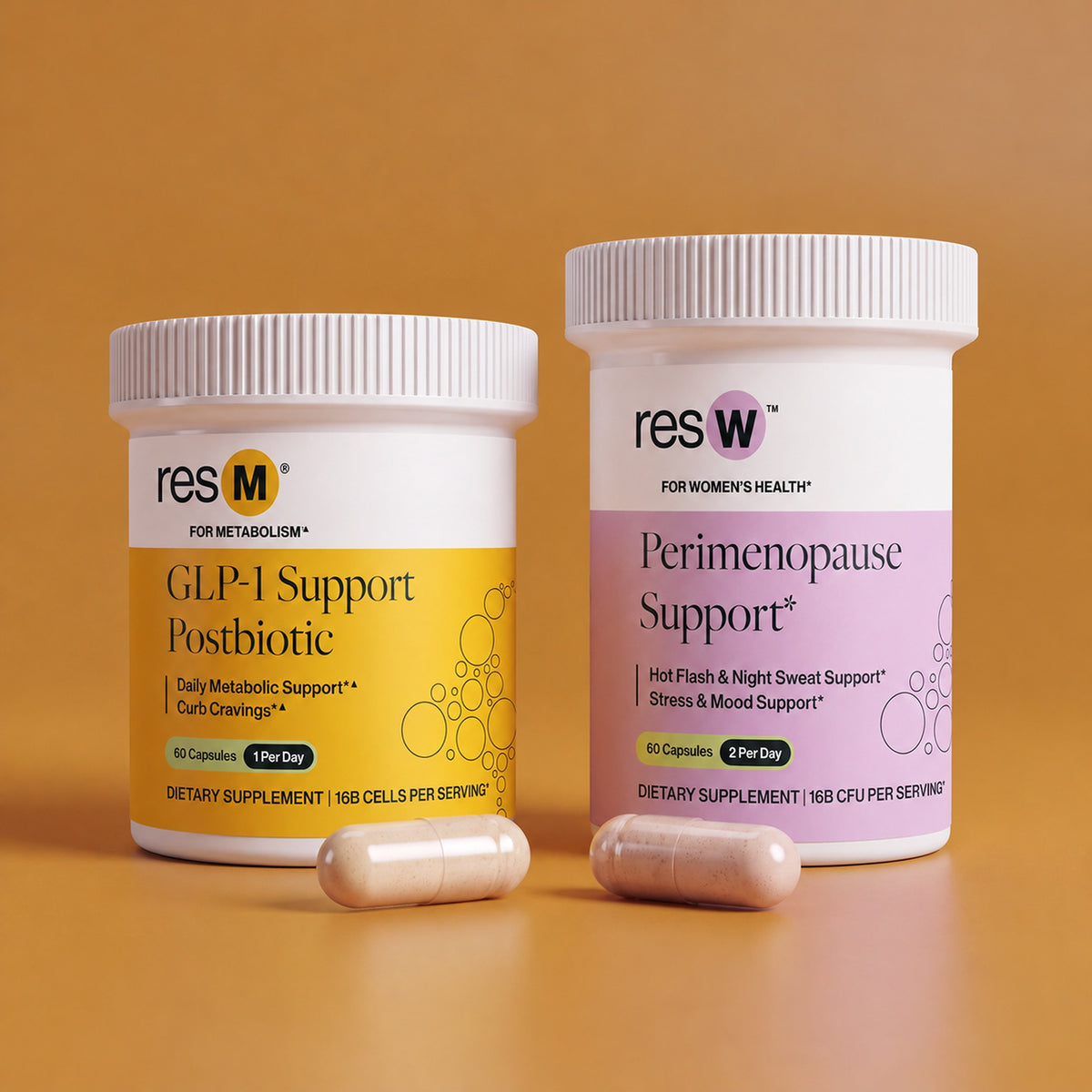
From resG® to resM® (our GLP-1 probiotic), every physician-formulated supplement at resbiotic is backed by research and a satisfaction guarantee. We encourage you to learn more about the science behind resG® today and see what it can do for you.
Frequently Asked Questions
How long does it take for beet juice to improve blood flow?
It actually begins working in just 1 hour after consumption - however, the actual benefits that you feel and see on a day-to-day basis take time. Make it a consistent part of your regimen for at least a few weeks.
How much beet juice should I drink a day to help with blood circulation?
Most clinical trials used 250 mL (around 8.5 oz) daily.2,3 You can also get concentrated beet shots (about 70 mL) with equivalent nitrate content.11 Or, you can just take resG® prebeet on a daily basis.
What's the best beetroot for circulation?
Consistency is far more important than format, which is why resG® prebeet is the #1 way to incorporate beetroot into your routine. It’s easy to stick with it every single day.
Related Resources
Signs of Poor Gut Health | Worst Foods For Gut Health | Gut Health and Anxiety
References
- Clifford T, et al. "The Potential Benefits of Red Beetroot Supplementation in Health and Disease." Nutrients. 2015;7(4):2801-2822. PMC
- Kapil V, et al. "Dietary Nitrate Provides Sustained Blood Pressure Lowering in Hypertensive Patients." Hypertension. 2015;65:320-327. AHA Journals
- Benjamim CJR, et al. "Nitrate Derived From Beetroot Juice Lowers Blood Pressure in Patients With Arterial Hypertension." Frontiers in Nutrition. 2022. PMC
- Queen Mary University of London. "Beetroot juice lowers blood pressure." ScienceDaily, 28 June 2010. ScienceDaily
- Gilchrist M, et al. "Dietary nitrate supplementation improves reaction time in type 2 diabetes." Nitric Oxide. 2014. PubMed
- Mirmiran P, et al. "Bioactive compounds of beet with emphasis on gut microbiota and gastrointestinal health." Crit Rev Food Sci Nutr. 2021;61(12). PubMed
- Yukino-Iwashita M, et al. "Short-Chain Fatty Acids in Gut-Heart Axis." J Personalized Medicine. 2022. PMC
- University of Exeter. "Beetroot juice boosts stamina." ScienceDaily, 6 August 2009. ScienceDaily
- Whitfield J, et al. "Beetroot juice supplementation reduces whole body oxygen consumption." J Physiology. 2016;594(2). PubMed
- Yoshida N, et al. "Effect of Resistant Starch on the Gut Microbiota in Patients with Coronary Artery Disease." J Atherosclerosis and Thrombosis. 2019;26(8). PMC
- Jakubcik EM, et al. "Pharmacokinetics of Nitrate and Nitrite Following Beetroot Juice Drink Consumption." Nutrients. 2021;13(2):281. PMC