






You may already know there are so many different beneficial bacteria in the gut, all working in harmony to keep your digestive system running smoothly - while touching on other aspects of human health, from mood to immune function and more. One of the most intriguing is Bifidobacterium.
So what is Bifidobacterium, and what does it do that makes it a topic of interest? It’s one of the very first bacterial genera to colonize the gut, and one of the most vital for keeping it healthy.
But while Bifidobacterium can account for up to 90% of total gut microbiota early on, that dominance fades over the years.1 It’s important to nurture these good bacteria through prebiotic nutrition, which is where resG® prebeet comes into play.* Learn more below!
Key Takeaways
- Bifidobacterium is a beneficial gut bacterium that declines with age.
- It strengthens the gut barrier, supports immune function, and pushes out harmful pathogens.1
- High abundance of Bifidobacterium has been linked to better digestion, immune defense, mental health, and metabolic health.3,4
- Prebiotic fibers like resistant potato starch are among the best ways to increase Bifidobacterium levels.5
What is Bifidobacterium?
Bifidobacterium is a genus of Gram-positive, anaerobic bacteria that takes up residence in the gut. It was first discovered by French pediatrician Henri Tissier all the way back in 1899, when he noticed a Y-shaped organism in the stool of breastfed infants.6
The genus consists of nearly 50 different species, the most clinically important of which are:
- B. longum
- B. bifidum
- B. lactis
- B. breve
- B. infantis
Different species dominate the gut at different life stages. For example, B. infantis (as the name suggests) thrives in the infant gut as it metabolizes compounds unique to breast milk. B. longum exists in the gut for your whole life.2
How Bifidobacterium Works in the Body
So what is Bifidobacterium capable of doing that makes it worth knowing about? These bacteria ferment the carbs you eat through a metabolic process called the bifid shunt. Acetate and lactate are created as byproducts of fermentation.1
Acetate in particular is important because it does two things at once:
- Directly nourishes the gut lining itself
- Fuels other bacteria that produce butyrate, a short-chain fatty acid involved in maintaining the gut barrier and supporting a healthy inflammatory response.1
But the many Bifidobacterium species do more that makes them worth nurturing in the gut:
- Bolstering the junctions between intestinal cells so toxins can’t leak through.7
- Stimulating IgA production and regulatory T cell expansion for better immune defense.8
- Lowering gut pH with organic acids so E. coli and Salmonella cannot thrive. 8
- Taking up space on key attachment sites so harmful bacteria cannot take hold. 8
Long story short, Bifidobacterium are a key component in a healthy gut.
Potential Benefits of Bifidobacterium
You can see all the different connections between Bifidobacterium and your gut. But we want to translate some of that into actual plain benefits so you can get a stronger sense of what makes this species so powerful:
- Digestion: Total symptoms in IBS patients dropped 43.4% when given B. longum 35624 over an 8-week span. Bloating and gas went from “moderate” to “very mild.” Over 65% of participants felt better.3
- Immune function: Bifidobacteria can help keep inflammation in check and prevent the immune system from overreacting or underperforming. B. lactis reduces how often people got sick with respiratory infections in a clinical setting.4
- Mental health: The vast majority of B. adolescentis strains produce GABA, the neurotransmitter responsible for calming the brain down.9 It’s been shown that people with depression and anxiety consistently have lower Bifidobacterium levels.10
- Weight and metabolism: Bifidobacterium supplementation can be one of the best supplements for bloating and weight loss according to multiple meta-analyses looking at overweight populations.11
Ways to Get More Bifidobacterium in Your Gut
Bifidobacterium is a really versatile species worth nurturing for anyone at any age. Here’s how to increase levels in your gut.
Food Sources
Your best bet for increasing Bifidobacterium through diet is yogurt with live active cultures and kefir. But not all of these include Bifidobacterium strains, so double-check labels before buying. One thing to be aware of is that most traditional fermented foods (kimchi, sauerkraut, miso) contain mainly lactic acid bacteria, not necessarily Bifidobacterium. Diet isn’t the best approach.
resG® prebeet Daily Prebiotic & Beets
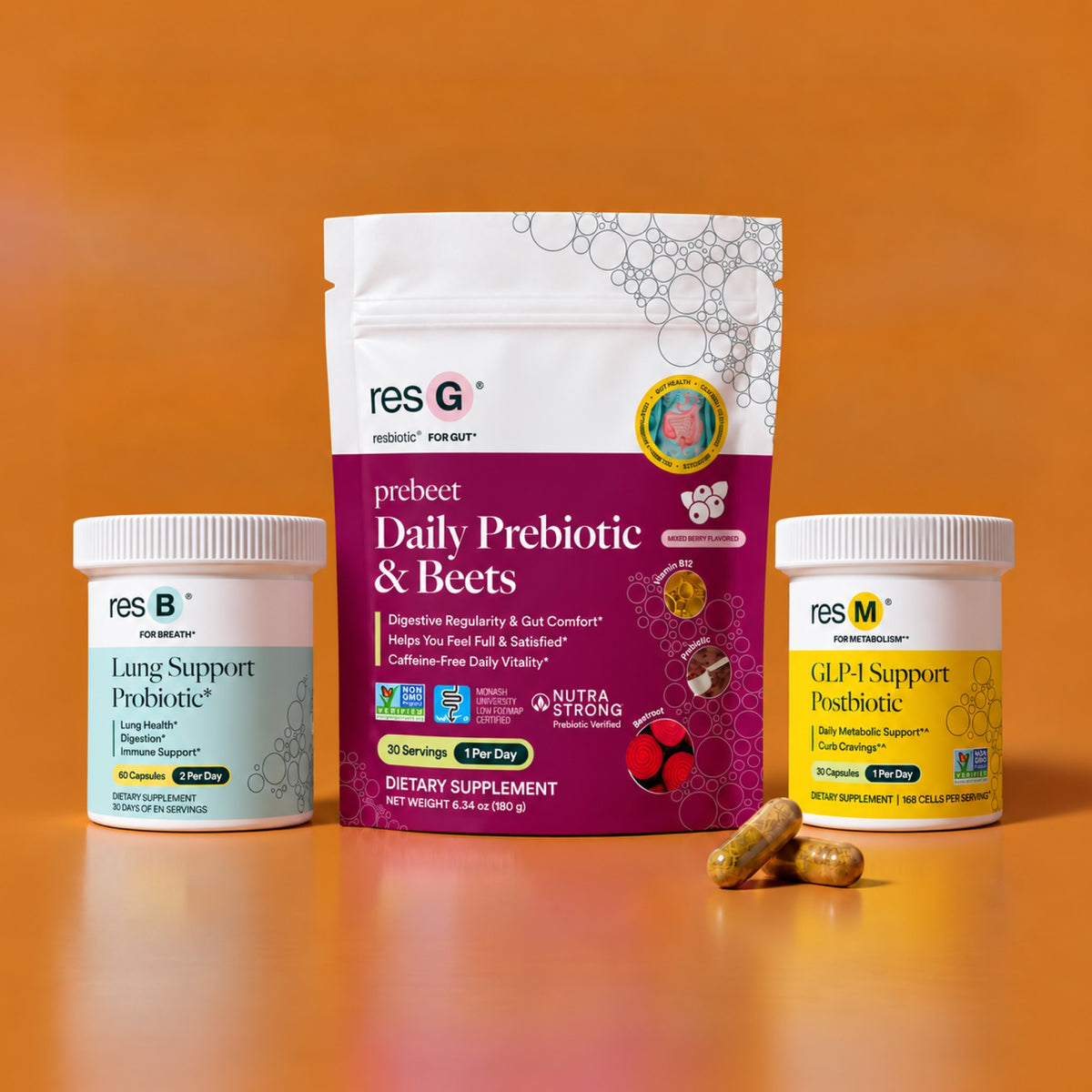
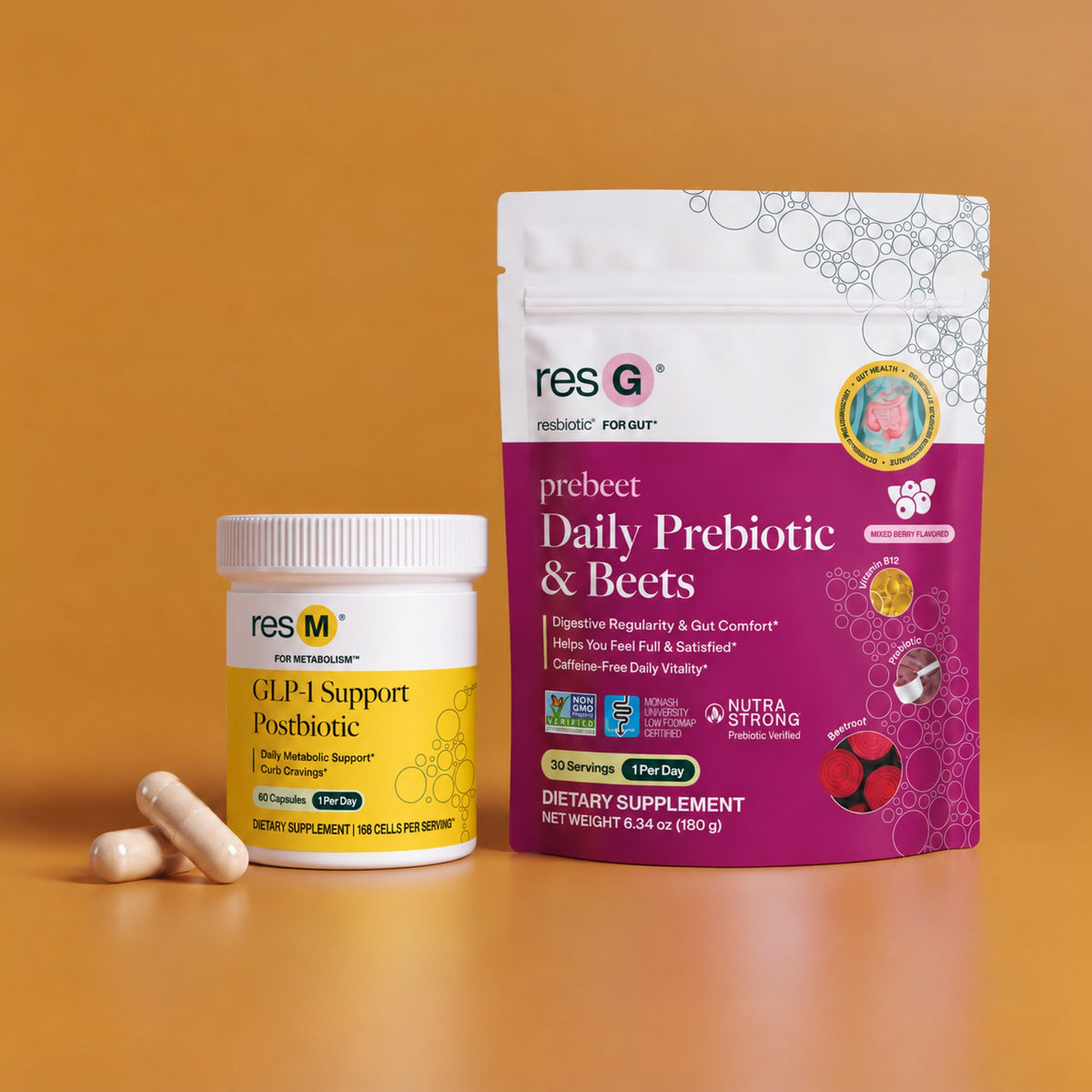
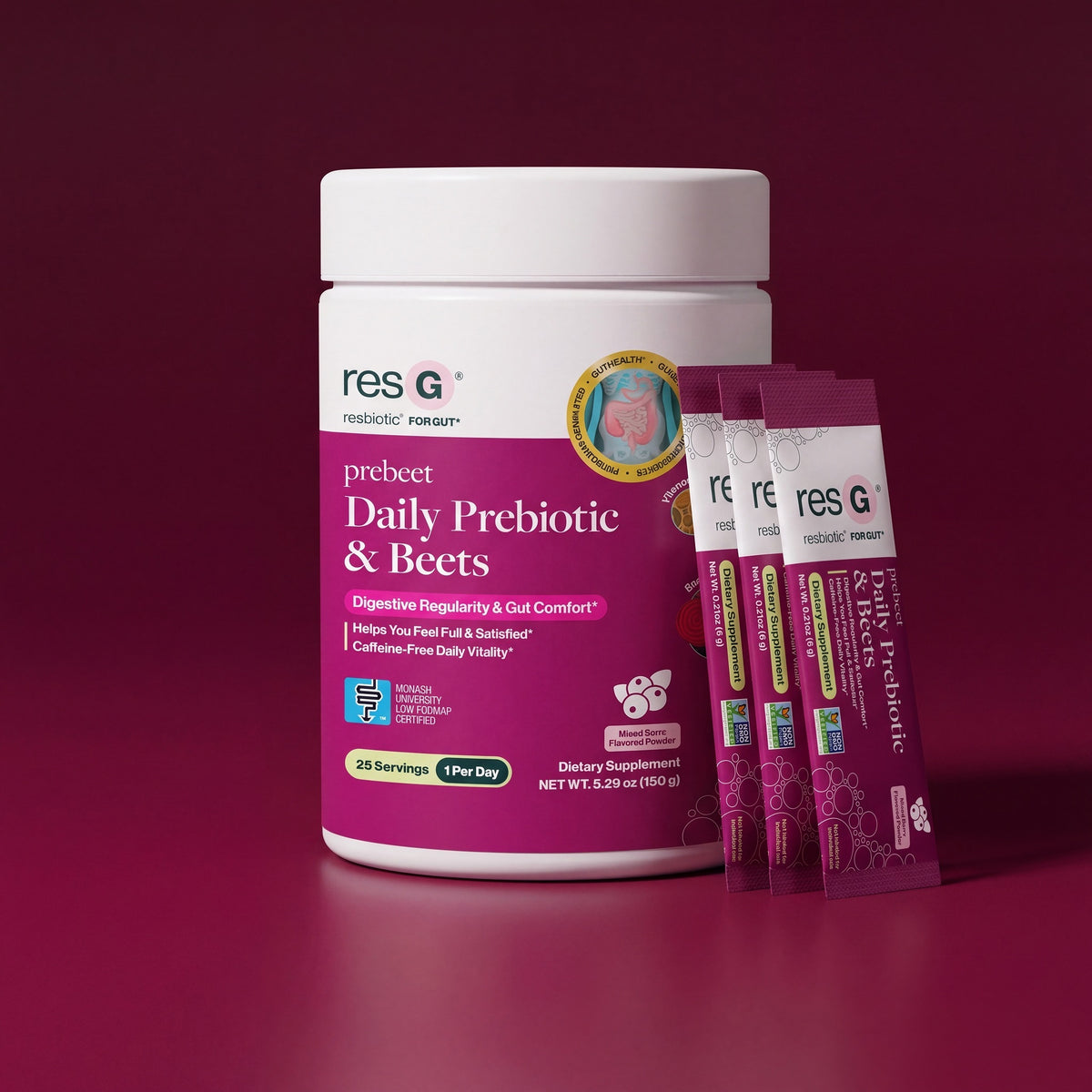
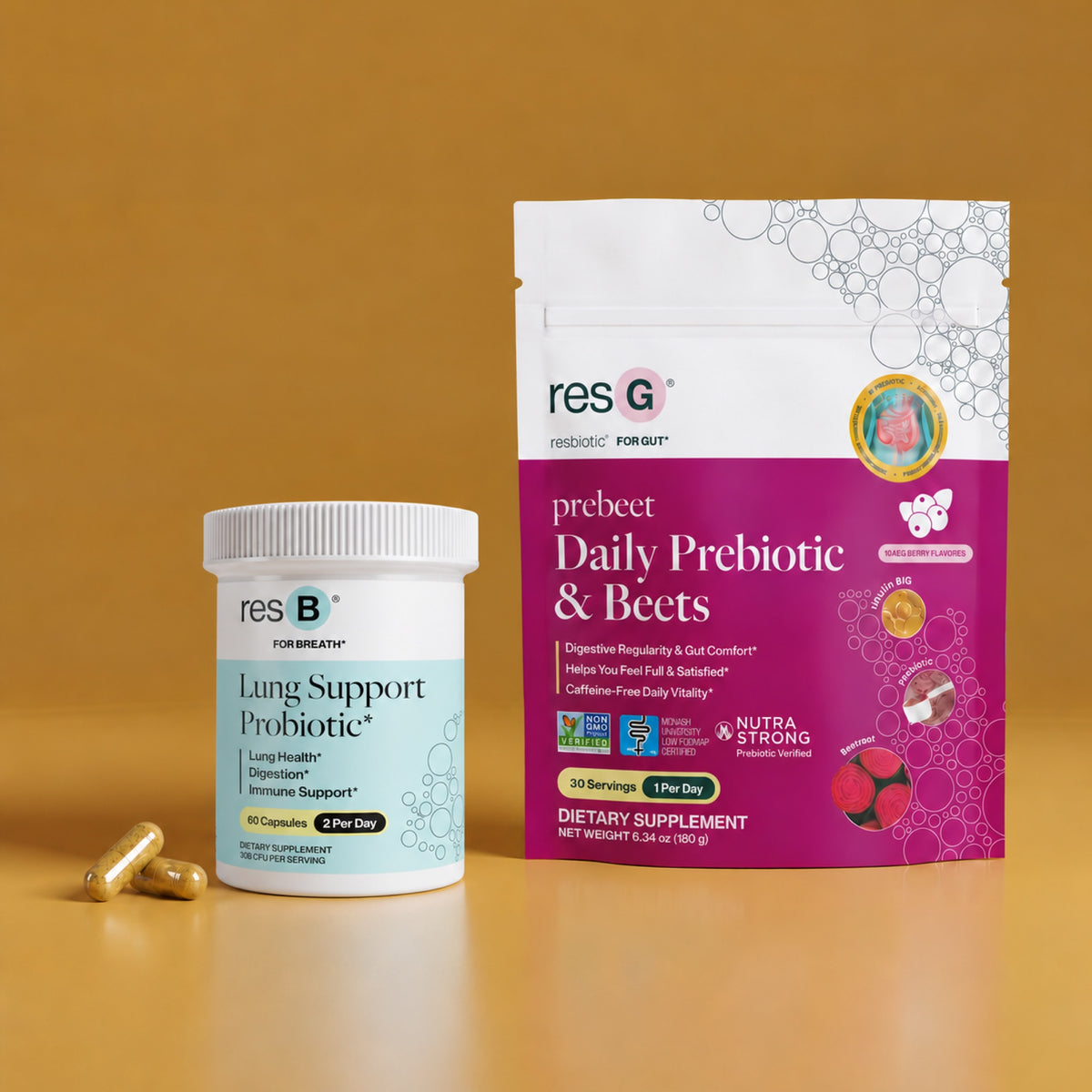
You may find better success feeding the populations that already live in your gut and encouraging them to thrive. resG® prebeet pairs resistant potato starch with beetroot and vitamin B12 to do just that.*
This physician-formulated supplement managed to increase Bifidobacterium 200% in clinical studies, all while boosting Akkermansia 250% and raising natural GLP-1 400%.*12,13
A lot of this can be traced back to the prebiotic fiber from resistant potato starch, but beetroot’s bifidogenic compounds (pectic-oligosaccharides and betalains) can help as well.14
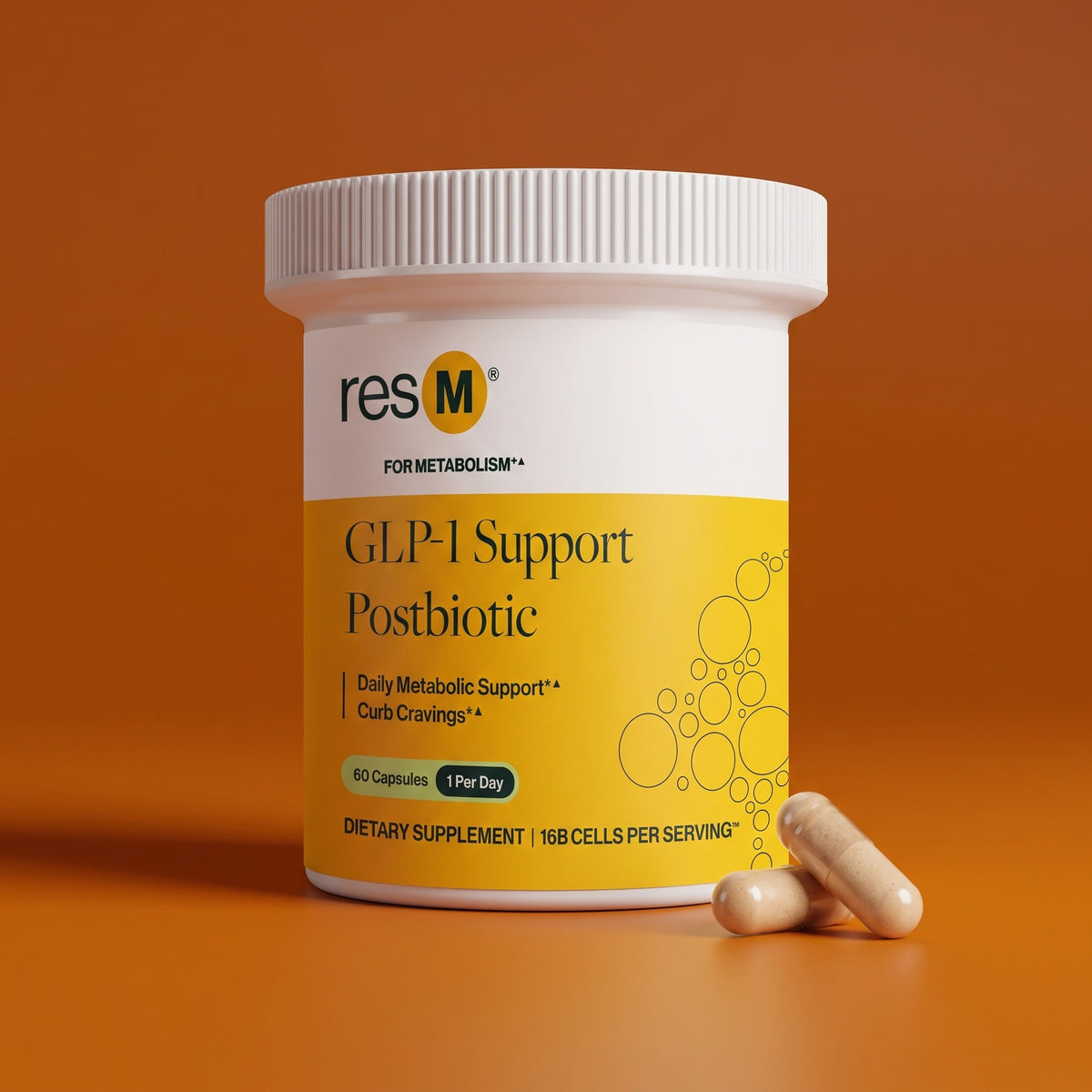
Using resG® alongside resM®, our targeted GLP-1 probiotic at resbiotic, can be a powerful duo for supporting the gut and empowering healthy weight loss.* Learn more about the science behind the supplement today!
Are There Any Side Effects of Bifidobacterium?
There are no “side effects” of Bifidobacterium because t’s a bacteria you nurture and lives within the gut. The outcomes of doing this are all positive.
However, someone starting a prebiotic or probiotic for the sake of encouraging higher Bifidobacterium levels may notice changes early on: gas, bloating, and stomach upset. These are temporary and will ease over the course of a few days as your gut adjusts.
Bottom Line on Bifidobacterium
In closing, what is Bifidobacterium? This is one of the most well-studied genera of beneficial gut bacteria, touching everything from digestion to immunity, mood, metabolism, and weight. Levels drop with age and poor diet, but you can rebuild them to a healthy range through targeted supplementation. Get started at resbiotic today!
Frequently Asked Questions
What are the symptoms of low Bifidobacterium levels?
Bloating, irregular digestion, gassiness, lower immunity, and potentially even mood changes.
How to restore Bifidobacteria in your gut?
You can introduce certain species through foods like yogurt and kefir. However, the best approach is to eat more fiber and take a targeted prebiotic supplement to help existing Bifidobacteria thrive.
What is the best source of Bifidobacterium?
You can find supplements containing specific strains (B. longum, B. lactis, B. bifidum), or you can use prebiotic fiber like resistant potato starch that specifically feeds Bifidobacteria. .
Related Resources
Signs of Poor Gut Health | Worst Foods For Gut Health | Gut Health and Anxiety
References
- Riviere A, et al. "Bifidobacteria and Butyrate-Producing Colon Bacteria." Front Microbiol. 2016;7:979. PMC
- Ku S, et al. "The role of Bifidobacterium in longevity and the future of probiotics." Food Sci Biotechnol. 2024. PMC
- B. longum 35624 in IBS: 8-week clinical trial. PMC
- Bocchio F, et al. "Compendium of Bifidobacterium-based probiotics." Microbiome Res Rep. 2025;4:2. Full Text
- Bush JR, et al. "Consumption of Solnul Resistant Potato Starch Produces a Prebiotic Effect." Nutrients. 2023;15(7):1582. PMC
- Bottacini F, et al. "Diversity, ecology and intestinal function of bifidobacteria." Microbial Cell Factories. 2014;13(Suppl 1):S4. PMC
- Role of Bifidobacterium in modulating intestinal epithelial tight junction barrier. Current Research in Food Science. ScienceDirect
- Bifidobacterial competitive exclusion of pathogens. PMC
- Duranti S, et al. "Bifidobacterium adolescentis as key member of the human gut microbiota in the production of GABA." Sci Rep. 2020. PMC
- Gut-brain axis and Bifidobacterium. PMC
- Bifidobacteria supplementation and weight/BMI: meta-analysis. PMC
- Results observed in preclinical human cellular studies of the finished resG® prebeet® formula. resG® contains no synthetic GLP-1 and is not a GLP-1 receptor agonist drug.
- Results observed after 4 weeks in a randomized, double-blind, placebo-controlled human clinical study of 3.5 g/day Solnul™ resistant potato starch. Individual results may vary
- Mirmiran P, et al. "Bioactive compounds of beet with emphasis on gut microbiota." Crit Rev Food Sci Nutr. 2021;61(12). PubMed